UK apple operators shift to agritainment as domestic harvest volumes bypass export scales
UK apple growers are increasingly relying on direct-to-consumer picking events to offset margins, as small-scale domestic operations remain invisible on the export radar.
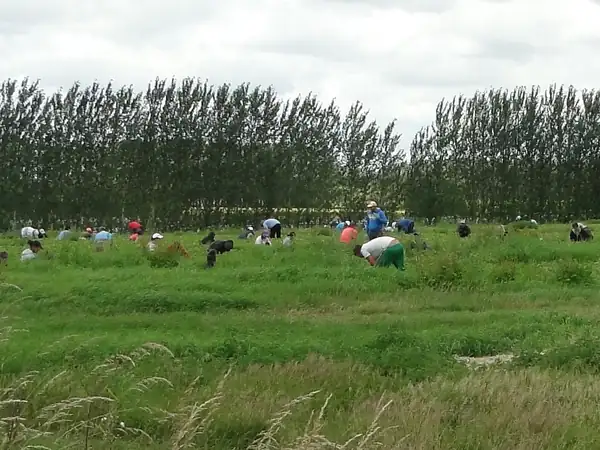
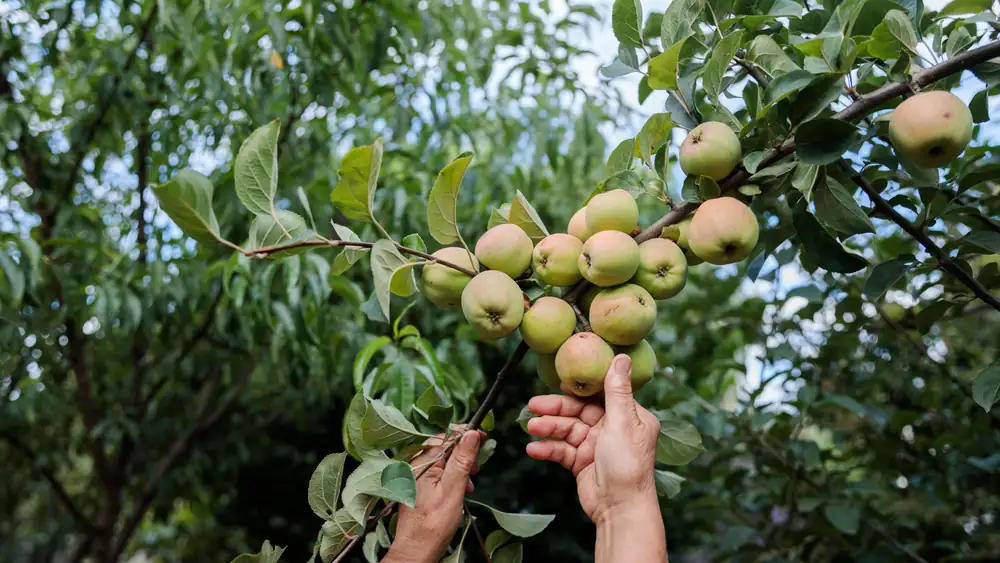
The third week of August marks the conventional start of the UK apple harvest, yet the primary metric emerging from orchards this season is visitor footfall rather than yield per hectare. Operators are pivoting to recreational agriculture to capture margin, as the reported volumes from these domestic sites do not register on an export scale. By the first week of September, the harvest of early varieties like Worcester Pearmain and Discovery begins. Castle Farm in Kent has scheduled pick-your-own weekends for September 4-6 and 11-13, 2026, focusing on the Norfolk Royal variety. This direct-to-consumer model bypasses traditional wholesale supply chains entirely. As the autumnal equinox approaches in late September, operations like Craigie’s Farm in Scotland are scheduling agritainment events, such as an Apple Fest on September 19. These initiatives substitute crop volume with service revenue, insulating the business from wholesale price fluctuations. The 28-acre Long Meadow Cider farm in Northern Ireland exemplifies this ceiling, where half a century of growth yields cider but operates well below commercial export thresholds. Mid-October brings the Egremont Russet harvest and events like Blackmoor Estate’s Apple Tasting Day on October 11. While the UK cultivates over 2,500 apple varieties, this botanical fragmentation prevents the consolidated volume required for international trade. The focus remains strictly on local footfall, with operators like Ampleforth Abbey leveraging sixty varieties for on-site cider mill tours rather than bulk supply contracts. Should an early frost or unseasonal drought strike before the late autumn transit, this tightly scheduled calendar of weekend events would shatter. If the harvest window fractures, the entire agritainment revenue model collapses, as these operators lack the buffer of long-term export contracts to absorb a delayed picking season. Looking toward the 2027 campaign, the current season’s reliance on visitor revenue leaves fundamental agricultural metrics unaddressed. Without reported yield per hectare or ten-year average comparisons, the trade must wait to see if these orchards can transition from recreational venues back to volume producers capable of supplying the broader market.