Meet China’s popular peppercorn-flavored table grapes
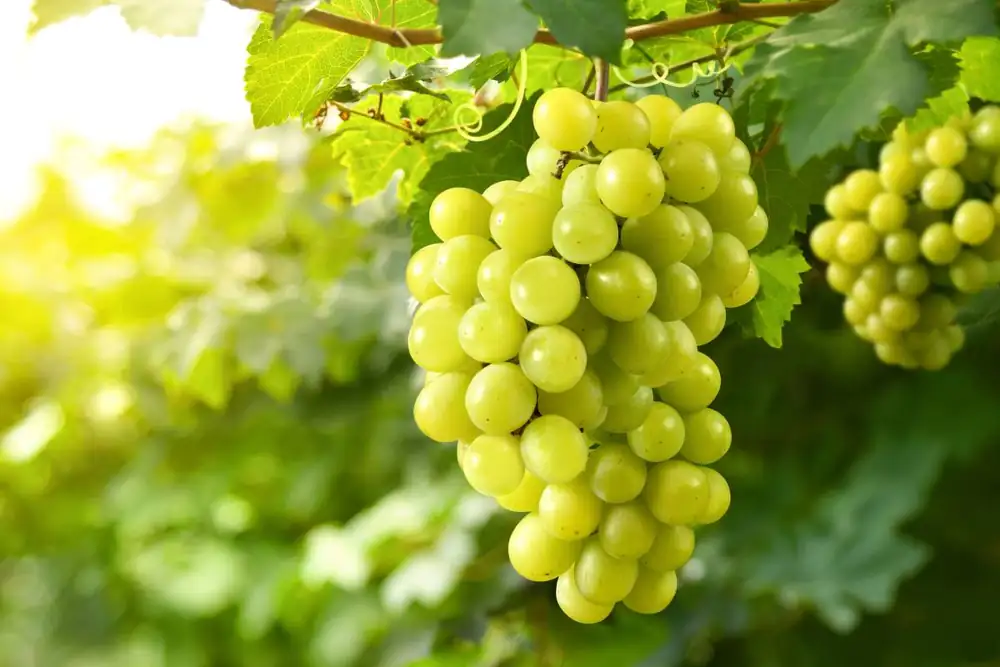
Recently, a "Sichuan peppercorn-flavored grape " has suddenly become popular in the Chinese city of Zhengzhou. According to local outlet Elephant News, these table grapes have a slight “numbing" sensation when eaten, with a flavor similar to a mixture of Sichuan peppercorn and lychee.
“from the offspring. Then, they select the best of the best. The research institute produces 200 such hybrid combinations each year, and each one undergoes the same selection process. This superior”
Zhang Ying, with the Grape Resources Research Group of the Zhengzhou Fruit Research Institute of the Chinese Academy of Agricultural Sciences, pointed out that the "Sichuan pepper-flavored grapes" mentioned online were not deliberately cultivated, but rather a superior strain among the institute's many hybrid combinations. The cultivar, Ying said, is currently in the observation stage and does not yet have an official name.
Li Daochun, from the grape germplasm resource team at the research institute, admitted that the taste was determined by consumers themselves: They felt that the aftertaste was a bit numbing, so they named it "Sichuan peppercorn-flavored grape." Sichuan grapes’ peppercorn flavor may be due to certain flavor characteristics retained by individual vines after the initial selection in the breeding process.
What we perceive as flavor is influenced by many factors, the experts explained, including sugar content, acidity, flesh texture, and even temperature. Sometimes, when people are unsure how to define a particular flavor, they associate it with familiar tastes, hence the term "Sichuan peppercorn flavor." Industry insiders point out that the variety's seemingly accidental popularity is actually the result of a lengthy breeding process. Breeders cross two grape varieties with different characteristics to obtain approximately 10,000 seeds. After planting, they select the ten best-performing "superior individual plants" from the offspring. Then, they select the best of the best.
The research institute produces 200 such hybrid combinations each year, and each one undergoes the same selection process. This superior "Sichuan peppercorn-flavored" strain is currently in the final round of competition.
Because it is still in the trial planting stage, this grape variety has only been authorized for small-scale trial planting with a fixed partner. Currently, there are only 10 fruit-bearing vines, and the yield is extremely limited. The table grape’s curious flavor has led to speculation about whether experimental varieties are edible and whether they are harmful. To that, industry insiders emphasized that hybridization breeding simply combines the superior traits of different varieties naturally and does not introduce any exogenous harmful substances, so they are safe to eat.
The National Grape Germplasm Resource Garden of the Zhengzhou Fruit Tree Research Institute currently preserves more than 2,360 grape varieties, ranking first in China and third in the world and accounting for about one-third of the total number of grape varieties worldwide. The unexpected popularity of these "Sichuan pepper-flavored grapes" also provides direction for hybrid breeding: genuine consumer feedback may be the starting point for the next "blockbuster grape."
- All images