Fruit byproducts lead food waste upcycling growth
What was once destined for the waste bin is increasingly becoming part of the produce business. A recent report by research firm DataIntelo describes an expansion in the global food waste upcycling market, with fruit byproducts from processing operations being converted into fibers, antioxidants, prebiotics…
“Nevertheless, labels such as Upcycled Certified—the label is expected to reach 35.7 percent of claims by 2026—will help create credibility and differentiate premium products,”
The firm values the upcycling category at $62.4 billion in 2025, with a projected compound annual growth rate (CAGR) of just over nine percent. If realized, the segment would reach $138.7 billion by 2034. The broader global food waste management market is projected to grow from $65 billion in 2025 to $109.8 billion by 2034, at a six percent CAGR.
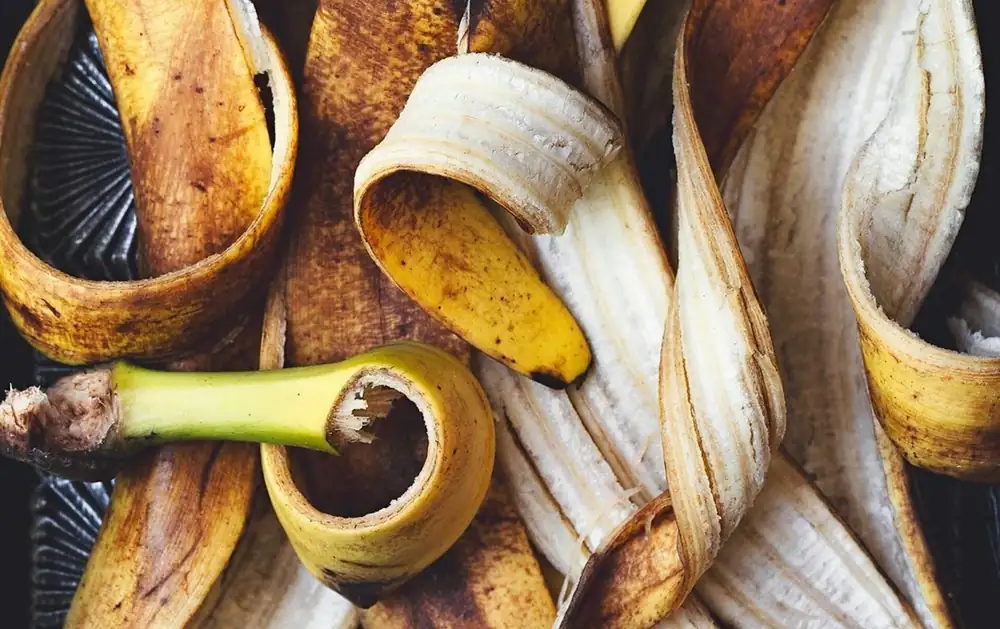
The document identifies “increasing government pressure to minimize food waste, corporations setting more sustainability goals, and customers insisting on eco-friendly products” as key drivers. For fruit processors, the expansion is creating opportunities to extract value from materials including pomace, peels, seeds, and pulp that traditionally have had limited commercial use and would otherwise be discarded.
While concrete economics depend on individual investments, the document says companies can achieve higher margins from these offerings. “Upcycled products are usually expensive, which results in larger profits for companies ready to invest in extraction and stabilization technologies,” the report stresses.
Upcycling turns waste into value-added applications
Processors can recover fiber, antioxidants, natural flavors and prebiotics from fruit byproducts, DataIntelo explains.
“Pomaces of apple and citrus fruits with high levels of pectin and polyphenols represent particularly valuable sources for manufacture of healthy, sugar-free products,” the assessment states. Fruit and vegetable byproducts account for a significant share of the upcycled food market, which the report links to their availability, relatively low collection costs, and a demand for clean-label ingredients.
The market for upcycled prebiotic fiber nutraceuticals was valued at $1.4 billion in 2025 and is projected to reach $5.8 billion by 2034, a 17 percent CAGR, the firm says. Recovered fruit ingredients can also be used in functional foods and beverages for properties such as thickening, stabilization, and sugar replacement. Other applications include snacks, nutraceuticals, and supplements, as well as biodegradable films and compostable packaging made from fruit skins and seeds.
DataIntelo projects food-processing byproducts will account for the largest share of the upcycling market through 2034, citing their consistent availability and steady processing volumes.
North America leads market
Despite the expansion, the sector faces some challenges. These include variability in byproduct quality, a lack of standardized practices, and consumer concerns about ingredients derived from materials traditionally considered waste.
“Nevertheless, labels such as Upcycled Certified —the label is expected to reach 35.7 percent of claims by 2026—will help create credibility and differentiate premium products,” the report emphasizes. North America currently leads adoption, representing nearly two-fifths of global sales of upcycled food products, according to DataIntelo. Japan and South Korea are also developing their markets, while online distribution accounts for the largest share of upcycled food sales. New regulations such as the European Union's Packaging and Packaging Waste Regulation (PPWR), which aims to reduce packaging waste and improve resource efficiency, have boosted food upcycling efforts in the Old World as well.