Why the Best Bread in the Room Is Usually the Ugliest
A critic's note on the tyranny of the perfect loaf. The bread that photographs best is rarely the bread that tastes best, and our dining desk has the flour on its hands to prove it.
There is a loaf that appears on restaurant tables from Copenhagen to Buenos Aires: dark, blistered, an ear of crust lifted just so, the crumb inside an open lace of holes. It is the sourdough of the age, and it is very good bread. It is also, increasingly, bread designed to be looked at. Our dining desk has spent the year eating bread in restaurants across three continents and has arrived at an unfashionable conclusion: the most delicious loaf in the room is usually the one nobody photographed.
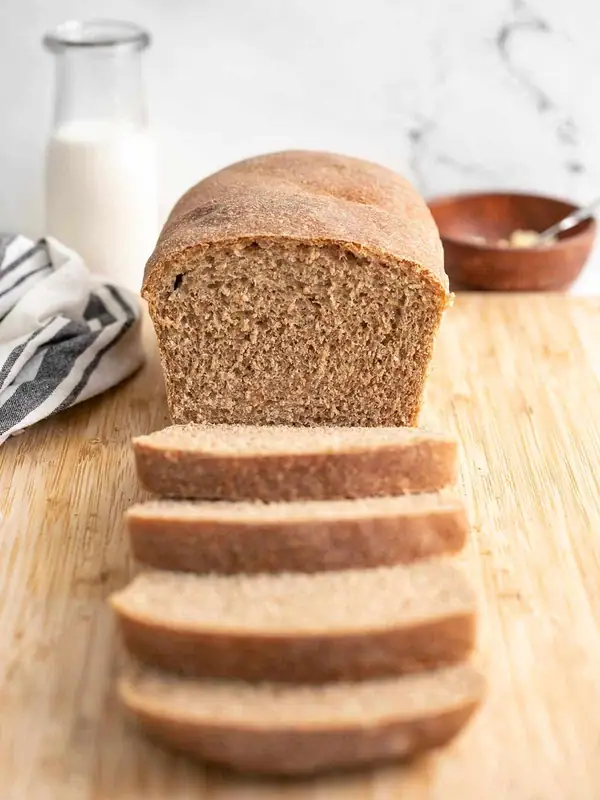
The reasons are technical before they are romantic. A very open crumb, the holes that make a slice look like a cathedral window, comes from high hydration and long fermentation, and it is spectacular with butter and nothing else. Put a piece of cheese on it and the cheese falls through. Try to mop a sauce with it and the sauce runs out the other side. The tighter, humbler crumb of a good pain de campagne, a Portuguese broa or a Turkish village loaf holds what you put on it. That is what bread at a table is for.
What we noticed
- The loaves that went round the table twice were dense enough to carry butter cold from the fridge and soft enough to tear without a knife.
- Crust matters more than crumb. A crust that shatters and then chews is the mark of a bread baked hot and long; it is also the part that tastes of the oven.
- Salt is where most restaurant bread fails. A loaf under-salted to flatter the food next to it tastes of nothing on its own, and bread is eaten on its own more often than chefs think.
A request to kitchens
Bake for the mouth, not the phone. Bring the bread out warm and cut it in front of us. Salt it properly. And if the prettiest loaf of the day collapses into something lopsided and dark, serve that one first. It is almost certainly the best thing in the basket.