Peruvian mango prepares for a future marked by innovation, quality, and sustainability
by Francisco Seva Rivadulla, international agri-food journalist.
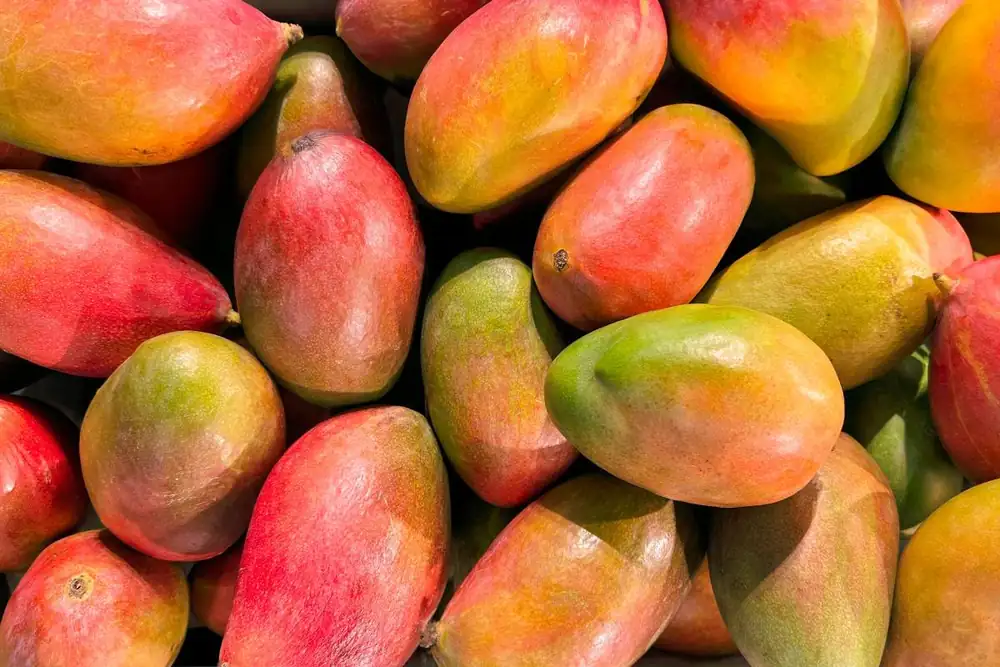
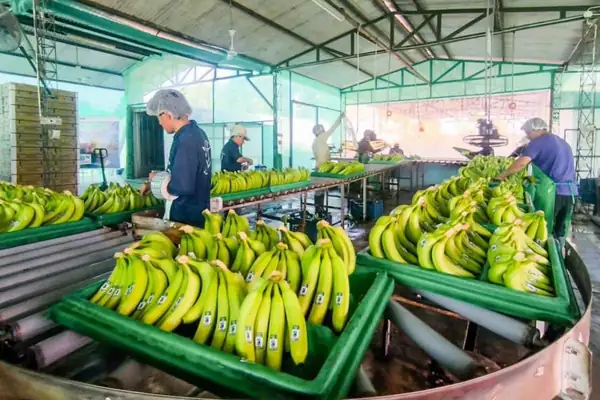
The Peruvian mango industry is going through one of the most challenging periods in its recent history. According to agronomist Christian Jade Riega, CEO of biostimulant producer PHYTOMA Latam, there are three main hurdles that will shape the sector’s future.
For starters, the country is currently grappling with a socioeconomic crisis that has affected farmers' profitability for over a decade. This landscape is compounded by the undeniable impacts of climate change, which are reducing flowering and production, and the limited transfer of technological innovation to the field.
Jade Riega believes the path to regaining competitiveness lies in bigger research investment, permanent producer training, and the adoption of new crop-management technologies. The expert suggests Peru follow Brazil’s example, a country that has achieved significant advances in floral induction and the development of new varieties.
A branded Peruvian mango
One of the executive's most prominent proposals was to create a "Marca Perú Mango," a quality seal that would differentiate the Latin American product in international markets.
According to him, Peruvian mango must be positioned as a high-quality, healthy, and sustainable fruit produced under zero-residue standards. The category should reinforce the country's image, just as other staple Peruvian export products such as blueberries and avocados have. For Jade Riega, this strategy should not be limited to a commercial campaign, but become a joint project among producers, exporters, trade associations, and public institutions to strengthen the Peruvian mango's identity worldwide.
The future lies in organic mangoes and zero-residue systems
Peru enjoys great potential in the organic segment, which the expert highlighted as a valuable opportunity for the country.
The specialist believes international markets are irreversibly moving toward more sustainable agriculture, paving the way for zero-residue production systems. This is a particularly important factor to emphasize in the world’s most demanding markets, such as those in the European Union.
In this context, he pointed out that Peru has a great opportunity to consolidate itself as a supplier of mangoes produced under increasingly strict environmental and safety standards, provided it continues to invest in technological innovation and certifications.
Innovation to improve productivity
Servicing international markets will require Peru to develop systems that sustain increased productivity. These, according to Jade Riega, will depend on greater investment in research and the adoption of new technologies applied to water management, nutrition, and floral induction.
Likewise, he defended the need to incorporate new varieties that complement the traditional Kent mango, especially those adapted to emerging markets like Asia, where demand for reddish-colored fruits is higher. The success of the Peruvian mango over the next decade will depend on the sector's ability to integrate producers, companies, researchers, technical advisors, and public bodies.
In the expert’s opinion, only through innovation, technology transfer, research, and a joint strategy based on quality will it be possible to recover the crop's profitability and maintain Peru's leadership in the international mango market.
- Who: Peruvian · Jade Riega · Francisco Seva Rivadulla · Christian Jade Riega · PHYTOMA Latam