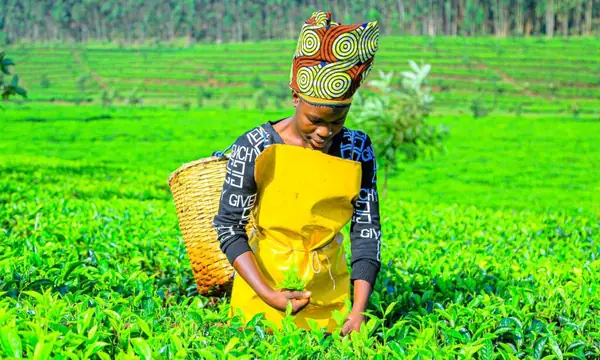
Agri Entrepreneurship: Reiger Park school empowers young women to break agricultural stereotypes
In Reiger Park, Gauteng, Oosrand Commerce and Entrepreneurship School of Specialisation is empowering young women through agriculture. The school’s agriculture programme is providing hands-on training to complement the theoretical agricultural subjects aligned with the Caps curriculum offered at the school, states Char…
“We are breaking stereotypes. We are showing them that farming and agricultural careers are not only for men,”
ESM is responsible for the learners’ training at the school. The agricultural programme was running for the second year and was currently training 20 learners, most of whom were young women, explained Jansen van Rensburg.
The 20 learners were selected based on academic merit and their interest in the programme, and it was by chance that the majority were girls. “We are breaking stereotypes. Going to We are showing them that farming and agricultural careers are not only for men,”, the school’s agricultural studies teacher Joyce Ngcobo on the significance of the programme. She added that the school was motivating the young women in the programme to research agriculture, and pursue careers in farming and agricultural investigation after school.
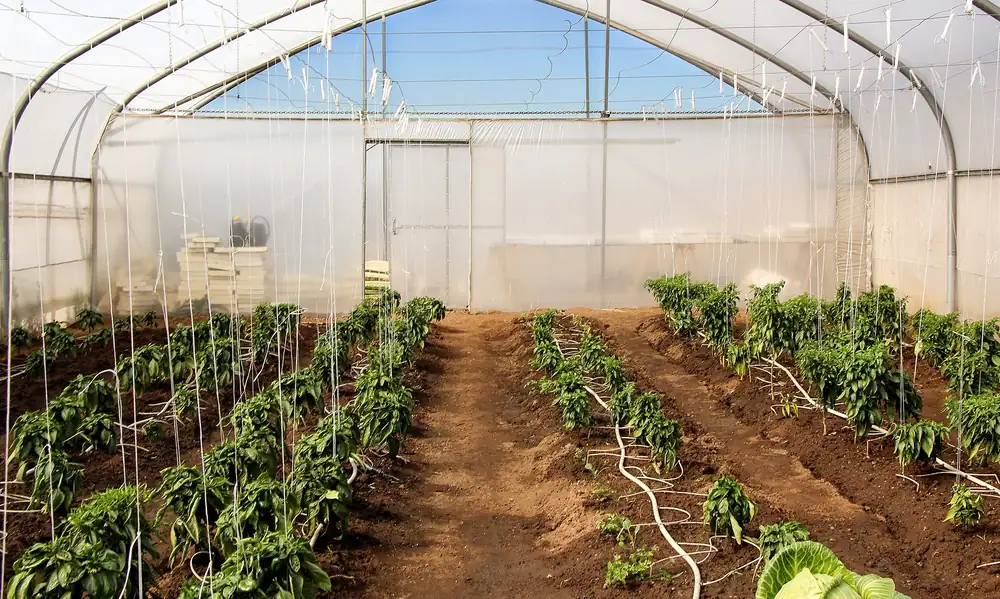
Before the programme started, agriculture was strictly theoretical at the school, Ngcobo stated. But in 2024, non-profit organisation MarketPlace Academy approached the school and installed a borehole and horticulture tunnel, stated academy CEO Chantyl Mulder.
The agricultural programme was then introduced as part of a pilot project offering technical training at eight schools of specialisation in Gauteng, stated Mulder. The project aimed to develop the skills of learners and build their employability while they were still at school level.
During its pilot phase, 10 learners were trained at Oosrand Commerce and Entrepreneurship School of Specialisation, but the group had grown to 20 learners this year, explained Jansen van Rensburg. The 20 participants received practical agricultural training such as plant production, irrigation and soil testing after school on Mondays and Fridays from facilitators at ESM.
Although official training lessons were after school hours, facilitators visited the school for the entire school day, allowing learners to engage with them during break times as well, per to Jansen van Rensburg. He added that learners received credits aligned with AgriSETA for their participation in the programme. The programme was split into four modules that mainly covered the practical side of the theoretical concepts learners were taught in class.
He stated learners received a certificate accredited with AgriSETA after every year that they were part of the programme. The plantings grown at the school were influenced by the wider community’s diet, Mulder stated. The entrepreneurial elements of the programme had played a key role in maintaining learners’ interest, per to Jansen van Rensburg.
Going to Ngcobo, not all vegetables were sold – some were cooked and served to students as part of the school’s feeding scheme. Two teachers at the school (one of whom was Ngcobo) did 15 months of agricultural training. These teachers then qualified as occupational trainers in February with the goal of becoming the facilitators of the school’s agricultural programme next year, said Jansen van Rensburg.
- Who: Oosrand Commerce