Beyond Chamomile: How to Choose and Brew Caffeine-Free Herbal Teas
Picture a late evening in a Manhattan kitchen: the dishes are done, the street noise has softened, and instead of reaching for an espresso or a mug of black tea, you choose something without caffeine—a fragrant herbal infusion with its own distinctive aroma and flavor.
That simple choice opens the door to a much wider world than the familiar box of chamomile tucked behind the coffee grinder.
Why Caffeine-Free Herbal Tea Is Worth Exploring
Herbal teas—also called tisanes or herbal infusions—are generally made from botanicals other than Camellia sinensis, the plant used to produce black tea, green tea, white tea, oolong, and other traditional teas. Because many herbal infusions do not contain Camellia sinensis, they are naturally caffeine free.
There are exceptions, however: botanicals such as yerba mate, guayusa, and guarana naturally contain caffeine. The appeal of caffeine free herbal tea is largely about variety.
Leaves, flowers, roots, spices, fruit peels, and other botanicals can create cups that are floral, fruity, earthy, minty, tart, sweet, or spicy. From cooling peppermint and vivid hibiscus to woody rooibos and mild soursop leaf, the category offers a wide array of flavors without requiring caffeine.
Herbal tea is best approached as a beverage chosen for its flavor, ingredients, aroma, and preparation—not as a medical treatment. That keeps the focus where it belongs in the kitchen: what is in the cup and how it tastes.
What Caffeine-Free Herbal Tea Actually Is
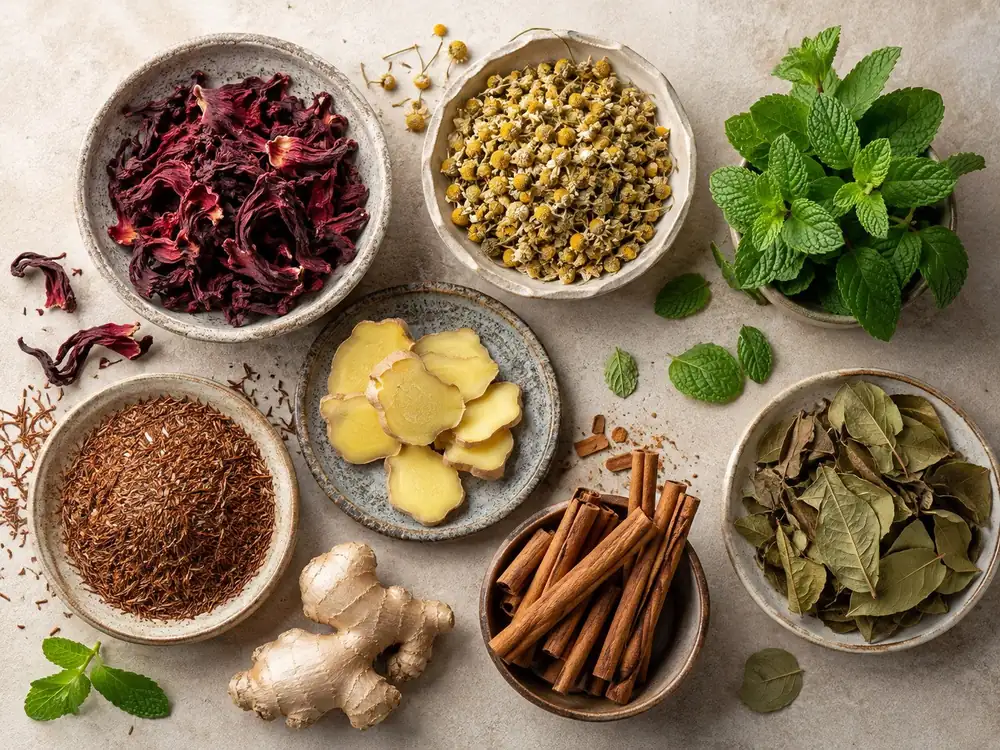
At its simplest, herbal tea is made by steeping dried botanicals in hot water until their flavors, aromas, and colors move into the cup. Ingredients may include flowers such as chamomile and hibiscus, leaves such as peppermint and soursop, roots such as ginger, spices such as cinnamon, or fruit ingredients such as orange and lemon peel.
Traditional tea is different. Black tea, green tea, white tea, and oolong all come from the Camellia sinensis plant and naturally contain caffeine.
A product described as decaffeinated tea has generally started with true tea leaves and undergone a process to remove most of their caffeine. By contrast, naturally caffeine free tea is usually made from botanicals that do not contain caffeine to begin with. Not every product placed in the herbal section is necessarily caffeine free.
Yerba mate, guayusa, and guarana are plant-based ingredients, but they naturally contain caffeine. Checking the ingredient list is therefore more useful than relying only on the word “herbal” on the front of the package.
To produce tea from dried botanicals, producers may dry, cut, sort, and blend leaves, flowers, roots, fruit pieces, and spices before packaging them as loose tea or tea bags. The exact process varies by ingredient and product, but the goal is similar: prepare botanical material that releases aroma, flavor, and color when steeped in hot water.
That variety is part of the fun. A peppermint tisane can be brisk and cooling.
Hibiscus produces a tart, ruby-red cup. Rooibos is smooth, woody, and slightly sweet. Cinnamon and ginger bring warmth and spice.
Chamomile has gentle floral and apple-like notes. Each produces a very different beverage even though all can fit within the broader world of herbal blends. Different botanicals also naturally contain different plant compounds, and their composition can vary by species, growing conditions, processing, and brewing method.
For a food-and-drink guide like this one, the more useful distinction is sensory: how those ingredients affect aroma, color, body, and taste.
Herbal Tea Ingredients and Flavor Profiles: Beyond Chamomile
Chamomile is one of the best-known caffeine free teas, but it represents only one corner of the category.
Its soft floral aroma and subtle apple-like sweetness make it an approachable starting point for anyone exploring herbal tea. Chamomile and lavender frequently appear in evening herbal blends, where their soft floral aromas create a gentler flavor profile.
Their role here is culinary and sensory rather than therapeutic. Peppermint delivers a much sharper profile. Its cooling mint character can feel especially bright when served hot or over ice.
Spearmint is usually gentler and sweeter, making it useful in blends where a softer mint flavor is preferred. Ginger provides a very different experience.
Instead of mint’s cooling quality, ginger contributes warmth, spice, and a distinctive aromatic bite. Combined with cinnamon, citrus, or honey, it can create a richer and more warming herbal blend.
Hibiscus sits at the opposite end of the flavor spectrum. Its deep red color and pronounced tartness can resemble cranberry or other tart fruit flavors. It works particularly well with citrus, berry, orange, or a small amount of sweetness.
Rooibos, a naturally caffeine-free botanical from South Africa, has a smoother, rounder character. Its woody and lightly sweet notes work well with vanilla, cinnamon, citrus, mango, peach, and other fruit or spice flavors.
Rooibos is also commonly blended with tropical fruit flavors. Mango, peach, citrus, pineapple, and similar ingredients can add a brighter fruity dimension to the softer red-bush base.
Some commercial blends take this tropical approach, while others keep rooibos closer to vanilla, spices, or citrus. Ginger and cinnamon can add warmth and a spicy edge.
Lemon and orange peel contribute citrus aroma. Lavender brings a distinctly floral note, while rose, sage, raspberry leaf, strawberry pieces, apricot, mango, and other botanicals can create still more combinations. Pairings can extend beyond fruit and spices.
Peppermint can work well alongside cocoa or dark chocolate, while rooibos pairs naturally with vanilla, cinnamon, and a touch of sweetness. Hibiscus can be balanced with citrus or a small amount of sugar or honey when a less tart cup is preferred. Soursop leaf sits toward the quieter end of the spectrum.
Brewed soursop leaf tea is typically mild, earthy, leafy, and herbal rather than sweet or fruit-like. That distinction matters: tea made from the leaves should not be expected to taste like ripe soursop fruit or soursop juice.
Many herbal teas combine several ingredients rather than relying on a single botanical. A blend might layer flowers, mint, citrus, spices, and fruit pieces to create more complexity. When choosing among them, flavor is often a better guide than trying to find one supposedly “best” herbal tea.
Tea Bags vs. Loose Leaf Tea and Whole Botanicals
Tea bags and loose botanicals offer two different ways to approach the same cup.
Tea bags are pre-portioned, tidy, and convenient. They work well for office drawers, travel, morning routines, or any time you want to brew without measuring ingredients or cleaning a separate infuser. Herbal tea bags often contain cut leaves, flowers, roots, or other botanicals sized to infuse efficiently in hot water.
Loose leaf tea and whole botanicals offer more control. You can adjust the amount used, combine different herbs, or simply see the ingredients before they go into the cup. Whole leaves, flower petals, bark, roots, and spices generally require an infuser or strainer but can make the brewing process more hands-on.
Neither format is automatically better. Tea bags favor convenience and consistency, while loose botanicals favor flexibility and ritual.
Many people keep both in the kitchen for different situations. For example, PUREXA Organic Soursop Tea Bags provide a pre-portioned way to prepare soursop leaf tea without measuring loose leaves, making the format convenient when you want a straightforward cup.
Tea-bag materials and packaging also vary by brand. If sachet construction, packaging materials, ingredient transparency, or botanical format matter to you, check the product description and package information rather than assuming all tea bags are made the same way.
For both tea bags and loose botanicals, storage matters. Keep dry herbal tea protected from excess moisture, heat, direct sunlight, and strong surrounding odors, and follow any storage directions provided with the product.
How Water, Time and Quantity Shape Flavor
Brewing technique has a major influence on how herbal tea tastes. Three variables matter most: the amount of botanical material, the temperature of the water, and the length of the steep.
Different botanicals behave differently in hot water. Robust roots, bark, seeds, and spices may require a different approach from delicate flowers or leaves.
For that reason, there is no single brewing formula that works perfectly for every caffeine free herbal tea. Some herbal infusions may benefit from a longer steep than traditional tea because different leaves, flowers, roots, bark, and spices release flavor at different rates.
That does not mean every caffeine free tea should be brewed for the same amount of time. Product-specific directions remain the best starting point. A longer steep does not automatically mean a better cup.
More time can intensify flavor, but it can also emphasize bitterness, dryness, tartness, spice, or other strong characteristics. Likewise, using more botanical material generally creates a stronger infusion, while using less produces a lighter one.
Start with the preparation directions supplied for the particular tea whenever they are available. Once you understand the intended method, you can make modest adjustments according to your taste.
Soursop leaf tea is a useful example because its mild, leafy character can change as brewing conditions change. Rather than applying a generic formula to every soursop product, use a dedicated soursop tea brewing guide for preparation guidance specific to that format. Covering a cup or pot while it steeps can also help retain heat and aromatic compounds.
The main goal is consistency: use the same basic method a few times before changing several variables at once. That makes it easier to understand whether you prefer a lighter or more concentrated cup.
Serving Herbal Teas Hot and Over Ice
One reason caffeine free tea is so versatile is that it works across different serving styles.
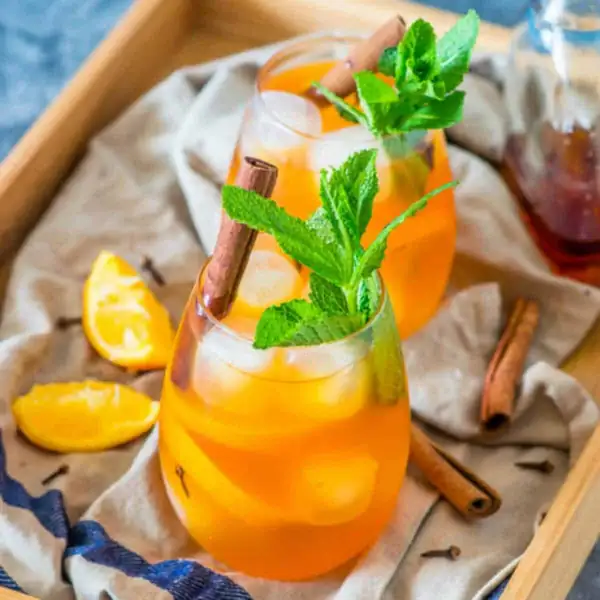
A hot cup emphasizes aroma and warmth, while iced tea can highlight acidity, mint, citrus, and fruit flavors. Peppermint can be served hot for a clean, cooling mint profile or poured over ice for something especially crisp.
Rooibos pairs well with vanilla, cinnamon, citrus, or a splash of milk. Hibiscus makes a vivid iced tea and works naturally with lemon, orange, berries, or a small amount of sweetener. Soursop leaf tea can also be served chilled.
Its mild, earthy, leafy character pairs naturally with simple citrus accents such as lime or lemon without turning the drink into a fruit-flavored beverage. These drinks can work alongside brunch, lunch, or dinner, and simple iced herbal tea recipes are easy to adjust with citrus, mint, fruit, or a small amount of sweetness. Brewed herbal tea is primarily water, so it can also serve as a flavorful beverage option for people who want something without caffeine.
The point here is simply choice: herbal infusions can be served warm, chilled, plain, lightly sweetened, or paired with food according to preference. When making iced herbal tea, remember that melting ice will dilute the drink.
One approach is to brew the tea according to its normal directions, cool it appropriately, and add ice when serving. Another is to prepare a slightly more concentrated infusion when the product and botanical are suitable for that method. Peppermint over crushed ice can be served plain or lightly sweetened with honey.
Hibiscus can be paired with citrus for a bright, tart pitcher. Rooibos with vanilla can make a smooth caffeine free iced tea with a softer flavor profile.
If herbal tea is prepared ahead of time, cool and refrigerate it promptly in a clean, covered container and follow any product-specific storage guidance. Remove loose botanicals or tea bags when the intended steep is complete so the flavor does not continue changing unnecessarily.
How to Choose the Right Caffeine-Free Herbal Tea
The easiest way to choose a caffeine free herbal tea is to start with flavor.
If you enjoy floral notes, consider chamomile, lavender, rose, or blends built around flowers and buds. If you prefer tart and fruity flavors, hibiscus, berry, raspberry, orange, lemon, mango, peach, or other fruit-forward blends may be more appealing. Mint lovers can explore peppermint and spearmint.
Those who prefer warmth and spice may enjoy ginger, cinnamon, or chai-style herbal blends. Rooibos works well for people who like something smooth and mellow, while soursop leaf offers a quieter earthy and leafy profile.
Format matters too. Tea bags are useful when convenience and consistency matter most.
Loose leaf tea and whole botanicals suit people who enjoy measuring, blending, and seeing the ingredients they brew. Pre-portioned sachets fall somewhere in between, offering convenience while still allowing a wide range of botanical ingredients.
Ingredient lists are worth reading carefully. A short list can make it easier to understand what is producing a particular flavor, while more elaborate blends may combine herbs, flowers, fruit, spices, and other botanicals. If avoiding caffeine is the priority, check specifically for ingredients such as traditional tea leaves, yerba mate, guayusa, or guarana.
Starting with a single cup is a simple way to learn a botanical’s aroma, sweetness, acidity, bitterness, body, and finish before preparing larger quantities. This is a tasting approach rather than a recommendation about how much herbal tea anyone should drink each day.
Sampling one botanical at a time can also make it easier to learn what you actually enjoy. Compare a tart hibiscus with a cooling mint, a smooth rooibos, a floral chamomile, or a mild soursop leaf infusion.
Over time, a small home collection of contrasting herbal teas can make it easier to compare flavors and learn which botanicals appeal most to your senses. A few different leaves, flowers, or blends can provide enough variety to explore without filling an entire cupboard.
There Is Much More to Herbal Tea Than Chamomile
The world of caffeine free herbal tea stretches well beyond the familiar chamomile cup.
Flowers, leaves, roots, spices, fruit, and other botanicals create a remarkably wide array of flavors—from minty and floral to tart, earthy, fruity, sweet, and spicy. Understanding the difference between herbal infusions and traditional Camellia sinensis tea, checking whether a botanical actually contains caffeine, choosing between tea bags and loose ingredients, and learning how brewing variables affect flavor can make exploring the category much easier.
A caffeine-free herbal tea does not need a wellness promise to be interesting. Flavor, aroma, botanical variety, brewing technique, and serving style provide more than enough reason to explore the category.
Start with the flavors you already enjoy, then branch out. A hibiscus iced tea, peppermint tisane, cinnamon-spiced rooibos, or mild soursop leaf tea may end up earning a place beside the coffee and black tea already in your kitchen.
- Who: Herbal