Despite Costs, Italian Olive Farmers Continue Organic Transition
Nearly 280,000 hectares of olive groves in Italy are now cultivated using organic farming practices, compared to close to 170,000 hectares a decade ago.
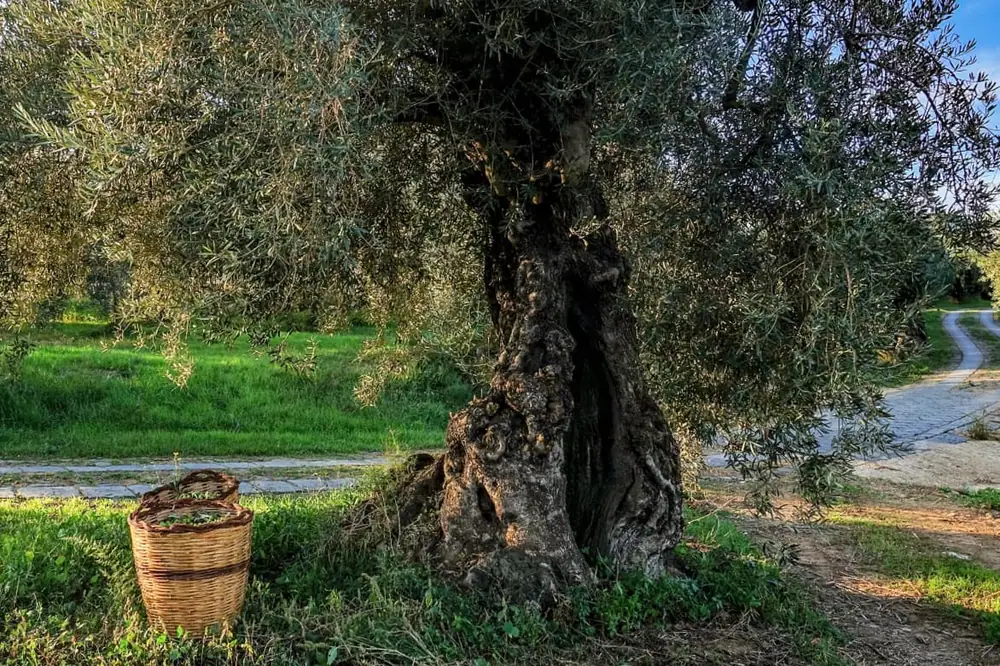
“Converting nearly half of our production to organic olive farming had a definite commercial impact. One key factor is that producing organic olive oil is costly,”
Going to 2023 data compiled by the Italian Institute of Services for the Agricultural Food Market (ISMEA), organic olive groves represent a marked portion of Italy’s organic farming area. Converting nearly half of our production to organic olive farming had a definite commercial impact.
One key factor is that producing organic olive oil is costly. – Pietro Re, CEO, Tamía They are comparable to meadows. Pastures (729,000 hectares), animal forage harvests (481,000 hectares), and cereals (356,000 hectares), far exceeding organic vineyards (133,000 hectares). See Also: Global Organic Farmland Continues Steady Expansion The buying interest for organic olive oil is increasing in Italy and internationally.
As a result, I shifted to foreign trades, which now account for more than 50 percent of my total takings.” In local marketplaces, organic and high-quality conventional extra virgin olive oil growers are often sidelined by large retailers’ aggressive pricing strategies. Many of these general food outlets use extra virgin olive oil as a shortfall leader, selling it at below-market prices to attract more customers. “While we have a minimum price of €9 per liter, I have seen supermarkets selling extra virgin olive oil for as little as €4 or €5,” Mazzone noted. In the United States, organic olive oil takings are rising , while conventional product turnover appear to be stagnating.
At the 2024 NYIOOC World Olive Oil Competition , nearly one-third of all entries were organic, a figure that continues to grow each year. In Italy, certified organic extra virgin olive oil consistently commands a higher quotation than conventional olive oil.
In Bari, Puglia’s key olive oil marketplace, organic extra virgin olive oil typically costs five to six percent more than its conventional counterpart. “Converting nearly half of our production to organic olive farming had a definite commercial impact. One key factor is that producing organic olive oil is costly,” said Pietro Re, the chief executive of the award-winning Tamía .
That said, this practice significantly reduces yields during milling. “With conventional farming techniques. Our expertise, we can allow the olives to reach the next ripening stage,” Re told reporters. “This isn’t the stage of an unripe, green olive but rather when the fruit reaches optimal coloration,” he added. “At that point, the olives develop the ideal taste and aroma while yielding a higher oil output. The specific timing varies by olive variety.” The total area of Italian farmland dedicated to olive cultivation has remained stable for years at approximately one million hectares.
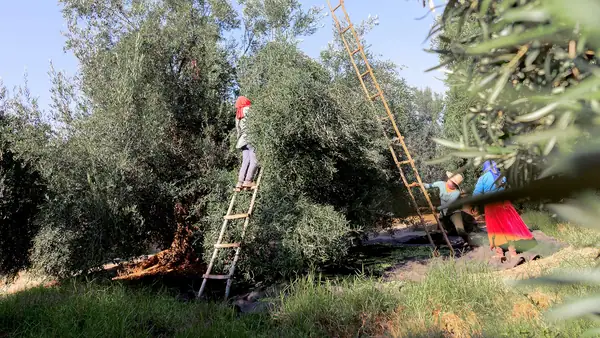
Going to Mazzone, he would not have been able to convert his olive trees to organic cultivation without E.U. support. (Photo: Pozzo di Gaspare) Certification must be renewed annually, and the conversion process requires a continuous three-year period of strictly following organic farming practices. The organic labels on saleable containers must as well receive specific approval from ministry delegates before bottling. “Obtaining and maintaining organic certification for olive farming is not as simple as one might think.
Pozzo di Gaspare is one of the holdings that pursued organic certification for its trees. Work is also being done to certify the resulting olive oil production as organic. “When the certifier comes here, the procedure requires at least a whole morning and the involvement of our agronomist, Mazzone explained. Plus, of course, the agronomist also charges a fee,” Mazzone remarked. “In the end, I think the organic certifications costs me around €700 to €800 per year.” Despite the European Union providing support during the conversion period, organic certification costs add to other production costs and affect the quotation.
Lower yields are typical during this phase as investments are made to meet official criteria. “From planting new olive trees to obtaining organic certification for our orchards and making quality-driven investments, none of this would have been possible without the European Union,” Mazzone remarked. That said, the Sicilian producer sees oleotourism as a potential game-changer for high-quality organic olive oil producers. “When diners see our trees, how we care for them and the biodiversity, they are eager to try our olive oils.
Re added that organic olive production could offer a unique experience for connoisseurs. “We are now exporting in the United States an organic olive oil that comes from the most ancient olive tree variety of our region: Bolzone,” he told reporters. “All those trees were replaced by the Canino variety at the beginning of the 19th century.
- Who: European Union
- Money: €16 · €8 · €9 · €4
- Percentages: 20 percent · 50 percent
- Figures: 280,000 hectares · 170,000 hectares · 729,000 hectares · 481,000 hectares