Startup Summer Technologies aims to make grass-fed livestock more manageable
With humanitarian and public health concerns in mind, many ranchers and consumers are embracing grass-fed sources of meat.
“My goal is to get to 100 ranches within the year, and to expand to multiple countries next year,”
Amidst this growing interest, a California-based startup is building software that could help ranchers to better sustain their pastures. According to the Food and Agriculture Organization, close to 312 million metric tons of meat — led by beef, poultry, and pork — will be produced by the end of 2014, with global demand expected to double by 2050.
That not only means a whole lot of hamburgers and hot dogs, but a whole lot of stress on the environment, as factory farms continue to guzzle energy and pump out a cocktail of pollutants. However, the grass isn’t always greener on open pastures.
Words like “grass-fed” and “free range” may sound picturesque, but a natural approach to meat production often calls for a bigger commitment — more time and careful planning — when compared to commercial farming. For instance, pasture-raised cattle mature at a slower rate than those sent to be “finished” at feedlots.
Ranchers need to make sure that there’s enough fresh forage available to feed herds for the long term, and without the tools to manage their grazing land, striking the right balance can be tedious. Trailing these pressing circumstances, Christine Su and Jennifer Tsau, graduate students from Stanford University, founded Summer Technologies, a startup set on making grass-fed meat operations easier to maintain with the help of precision AgTech.
Through the development of a mobile app called PastureMap, they hope to limit the financial and ecological costs associated with raising free-range livestock, giving independent ranchers an opportunity to branch out from the niche market. “We believe that safe, healthy food should be accessible to everyone,” CEO Christine Su told AgFunder. “If we want to eat well, we need to help farmers grow clean food and make money doing it.” With the swipe of a smartphone or iPad, PastureMap will allow ranchers to monitor location-specific resources and avoid overstocking their land with animals.
Using a GPS navigation system, the beta platform features traceable paddocks with auto-calculated acreage and geotagged photos that catalog grass conditions, and is expected to add herd-tracking capabilities, as well as rainfall and soil data analysis. “Managed grazing has promising potential to help rebuild soils with high organic matter and better root systems, which makes land more resilient against drought, pests and disease, and even sequesters carbon back in the soil,” Su said.
A public beta of the PastureMap app is set to launch in November 2014, with a Kickstarter campaign in tow. In the meantime, fifteen ranchers in the U.S. are currently involved with the platform’s private beta.
Su, who received the CommonBond Social Impact Award last month for her work in Summer Technologies, hopes to make an international impact in the coming years with PastureMap. “My goal is to get to 100 ranches within the year, and to expand to multiple countries next year,” she said.
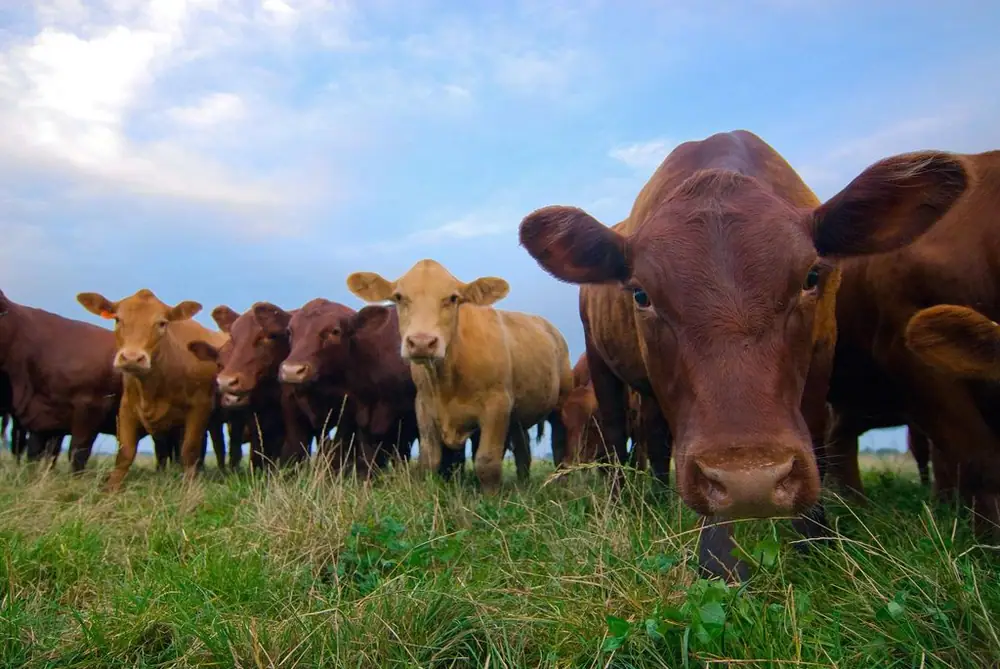
If you have any news, insights to share, drop us a line at [email protected] FEATURED PHOTO: U.S.
Department of Agriculture/Flickr
- Who: Summer Technologies
- Figures: 312 million