Can Farmers Support Agtech Innovation through Investment?
It might seem obvious that growers should be involved in the development of new agriculture technologies.
“Most of the growers in our network have never entertained any collaboration with agtech startups other than taking part in pilot tests or project work with a company in development,”
After all, producers are ultimately the end users of these products; tools created on the premise that they will help grow more food with less. This is not only relevant in an increasingly populated world of fewer natural resources and volatile climates, but it’s as well very relevant today as commodity rates remain at some of their lowest points for several years.
The need to grow food more efficiently should be nothing new for a farmer. But there is a surprising disconnect between agricultural producers and the growing number of agriculture technology startups that are appearing from Silicon Valley and beyond. Moves have been made to close this gap, such as the creation of the Steinbeck Innovation Cluster a few years ago, and more in recent weeks Western Growers’ Salinas-based Center for Innovation and Technology .
Under these roofs, organizers hope that entrepreneurs will engage with local growers as they develop their technologies, to ensure they are really providing solutions for the sector. And on the flip side, they hope that growers can help to shape agtech innovation and development to suit their needs.
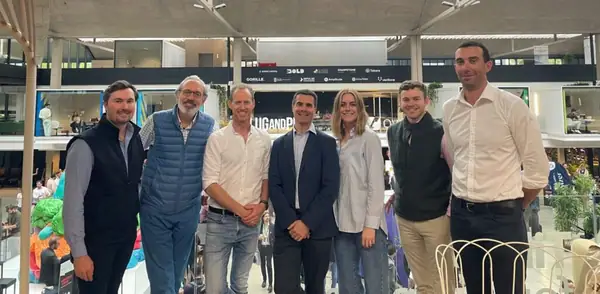
AgTech Insight , a Salinas-based consultancy company, has in addition been advising agtech startups along these lines, at the same time as helping producers find the right technologies for their operations and pointing backers to potential funding opportunities. At the evening event, held at Braga Ranch Barn, a 100-year old venue that’s typically used for regional meetings, local producers met with Silicon Valley backers and a range of corporate sponsors to hear about developments in agtech and how to invest in the trade. “We were really trying to help them understand the nuts and bolts around investing,” explained Day Hull.
So presentations included information on what due diligence looks like, how producers should think about valuations, what’s controllable, how to compare past investments, and what funding returns they can expect, she added. While it was clear that much of the backing terminology was new to the producers, there was also a lack of understanding about technologies and how they can help operations.
This presented another part of the education process, even for some of the most tech-savvy of the farming organizations, going to Magenheim. So what was AgTech Insight’s key takeaway from the event? Producers are definitely interested in the backing route, but there is a lot of education needed, both around investing and implementing technology on the farm. “They need to get comfortable with the opportunities here, but they are the huge key to making agtech successful in the future,” explained Magenheim.