Spirulina and Chlorella Emerge As Surprisingly Effective Alternatives to Animal Meat Proteins
A University of Exeter study exploring algae-derived proteins from spirulina and chlorella has found they are sustainable alternatives to animal proteins, particularly efficient in maintaining and building muscle. To assess the impact of ingesting spirulina and chlorella on blood amino acid concentrations compared to m…
“We believe it’s important and necessary to start looking into these alternatives and we’ve identified algae as a promising novel protein source,”
“We believe it’s important and necessary to start looking into these alternatives and we’ve identified algae as a promising novel protein source,” commented Researcher Ino Van Der Heijden from the University of Exeter.
A first discovery
The researchers explain that protein-rich foods, particularly those containing essential amino acids, are known for stimulating MyoPS, which means incorporating amino acids into muscle tissue proteins over time. Animal-derived protein sources have traditionally effectively stimulated muscle protein synthesis at rest and post-exercise.
However, due to growing ethical and environmental concerns associated with animal proteins, attention has shifted towards sustainable alternatives like algae. According to the researchers, this study is the first of its kind to demonstrate the extent to which these algae can stimulate myofibrillar protein synthesis in humans.
A sustainable future
Spirulina and chlorella, cultivated under controlled environments, are commercially popular algae variants. They are rich not only in proteins but also in essential micronutrients.
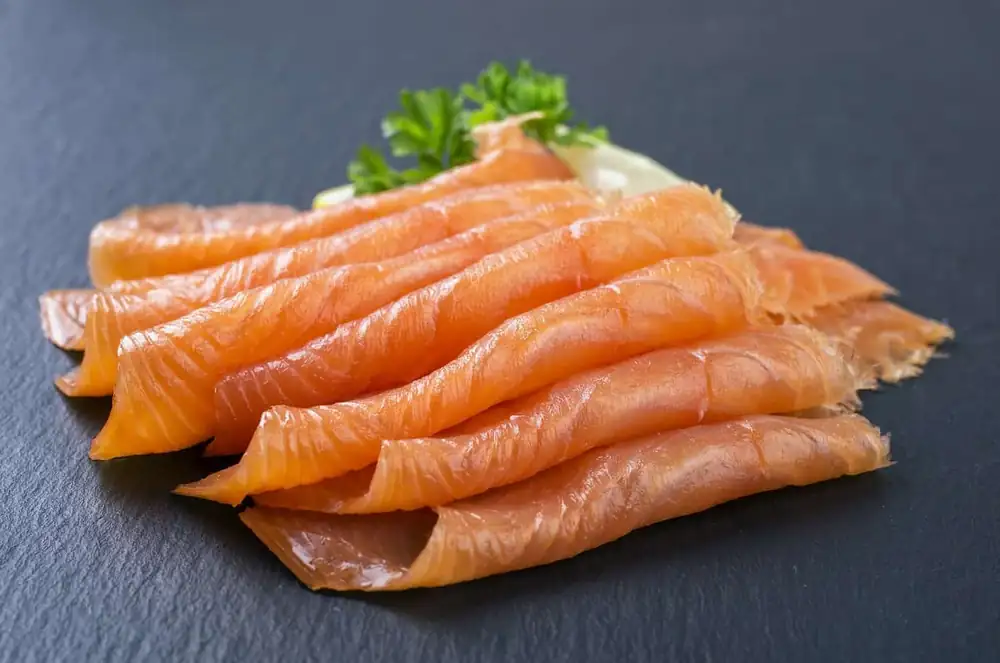
Israeli microalgae innovator SimpliiGood has developed a clean-label chicken analog made from a spirulina ingredient that offers the same nutritional profile as chicken. The company is also working on a spirulina-based smoked salmon.
Regarding chlorella, Sophie’s BioNutrients, a B2B food tech founded in Singapore and later relocated to the Netherlands, is developing a chlorella-based ice cream, which it says provides more B12 and iron than most dairy or plant-based alternatives. Last year, the Danish food-tech company Aliga Microalgae acquired a microalgae production facility in the Netherlands to commercialize a white chlorella ingredient to replace soy and pea in protein-rich analogs, savory, bread, dairy, and protein bar compositions.
The Dutch manufacturer Duplaco has developed a new variety of golden-colored chlorella to add nutrients to plant-based foods without the green color associated with the regular variety. Additionally, South Korean company Daesang developed GoldRella, a next-generation ingredient to improve the taste, texture, appearance, and functionality of plant-based foods. “Our work has shown algae could become part of a secure and sustainable food future.
With more and more people trying to eat less meat because of ethical and environmental reasons, there is growing interest in non-animal-derived and sustainably produced protein,” added Van Der Heijden. The paper “Algae Ingestion Increases Resting and Exercised Myofibrillar Protein Synthesis Rates to a Similar Extent as Mycoprotein in Young Adults” has been published in The Journal of Nutrition.
- Who: Sophie’s BioNutrients