The three-legged stool: A feasibility analysis for starting a CEA farm
Editor’s note: Peter Tasgal is a strategic consultant to the food and agriculture industries and co-founder of the Farmbook Project , based in Boston, US.
With regards to the second of these, while Covid-19 has been devastating on many counts, a bright spot is that individuals and families are taking more time to understand where, and how, their food is being farmed. To paraphrase, each of the experts cited three factors of a successful CEA estate’s creation: Operational expertise Distribution Capital In my opinion, a prospective CEA grower is well positioned with each of those factors in place. One example of ‘3 out of 3’ is AppHarvest: Equilibrium Capital and the CEO of AppHarvest, Jonathan Webb, have previous CEA expertise Mastronardi Produce (otherwise known as Sunset ) will be providing distribution Multiple investors on board including Equilibrium-led consortium, plus SPAC deal After discussions with sector experts, I researched these three factors and the requirements for each.
Operational expertise Does the team have the competence and ability to cost-effectively develop and operate a CEA estate? There are a limited number of individuals with the skillset to both develop and operate.
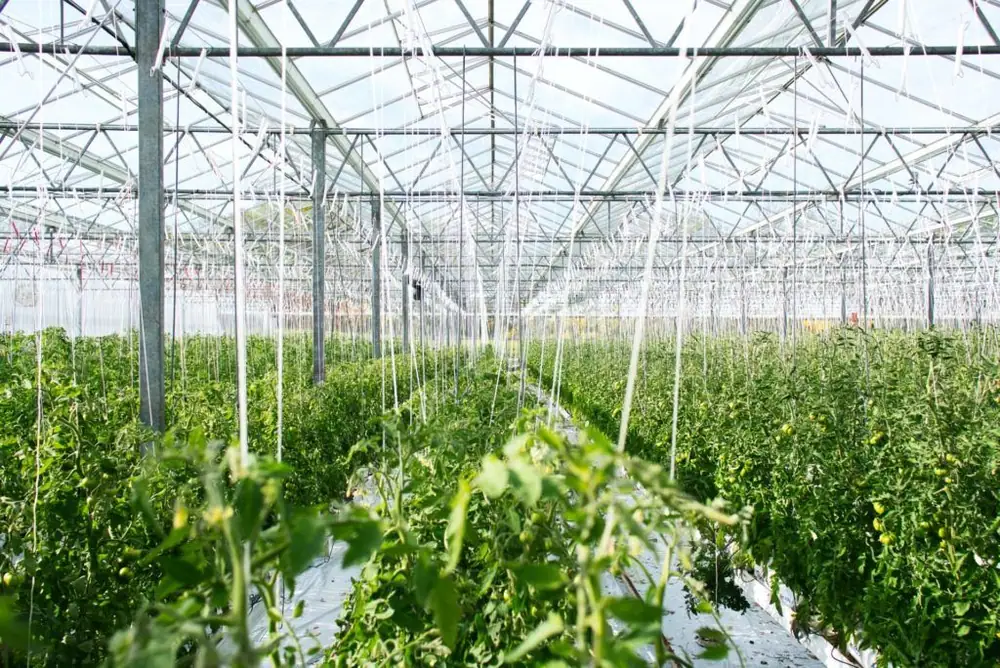
If appetite exceeds the capacity of a single-level grow structure (greenhouse) then a vertical holding may be necessary. Electricity is one of the largest costs in a vertical estate or greenhouse.
The quantity and cost of electricity required in the region the estate is located will affect the decision process. The cost to construct a greenhouse or vertical holding will vary dramatically.
Critical to the site selection process, in addition to the above, are the attributes of the site and the region it’s in. Attributes to consider during due diligence of a site include: Zoning and codes Utilities and utility access Ground and water Accessibility Community impact Skilled workforce – ability to assemble a strong team Regulatory frameworks for CEA holdings can vary markedly depending on state, county, and municipality. 2.
Distribution Distribution is a function of capacity, estate location, and rate. Holding location Customer proximity affects each of the following: Distribution Product marketing (retailers command a premium for local) Labor access Price Understanding appetite requirements and goal clarification is pertinent to quotation determination.
When I discuss pricing with CEA clients, in most cases I advise them to quotation somewhere between the price of conventionally grown product and organic product. There may be space to rate higher in certain sections of retail outlets or with distinct packaging, but this is my general outcome. 3.
In close to all cases the crucial decision is where and when to invest capital. However, the value of the land and the benefits of the location need to be considered as compared to alternative locations. Sources of capital include: Individuals and private family offices Venture capital. Private equity shareholders Junior capital arms of financial institutions Investment arms of corporations Vendor financing Lease financing Supply and appetite The importance of the three factors — operational expertise, distribution, and capital — and the interplay between each cannot be underestimated.
For example, limited access to capital could require a reduction in footprint and therefore affect the number of shoppers it’s possible to serve. Ultimately, the consumer needs to be willing to acquire the product at a quotation which is profitable to the estate. This requires the end consumer to be aware of the product and its key attributes.