How To Start Cooking More Indian Food
Dal, rice, and sabzi are the staples my mom used to make for our family when she came home from busy days at work and had to put dinner on the table in 20 minutes.
These are the dishes that I cook when I come back from vacation and need to reset. In the U.S., Indian preparation is often misunderstood to be complicated, time-consuming, and overly heavy.
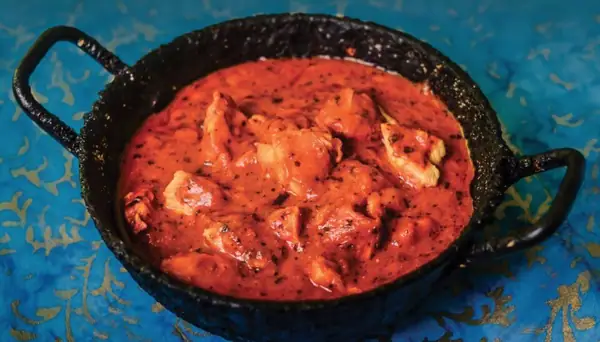
Unlike most takeout tikka masala , the Indian food you’ll find cooked in people’s homes is not like that at all—it’s bright, vibrant, and, like any cuisine, a mix of lighter fare and richer indulgences. PART 1: BUILD YOUR PANTRY Rice & Roti For me, there are two fundamental carbs in Indian cooking: rice and roti .
The dainty, lengthy grains don’t get soggy under the weight of whatever dal or sabzi you are putting on top of them, and they have a beautifully nutty taste. When it comes to Indian breads, naan seems to get all of the glory, but the truth is that not that many home cooks are actually making it at home. Roti is a sturdy, distinctly savory-tasting workhorse of a bread that’s as ideal for sopping up remnants of a gravy as it is for adding in little bits to a dal for texture.
An assortment of lentils, from left to right: split green mung beans, masoor dal, urad dal, and whole masoor dal Mackenzie Kelley, food styling by Judy Kim Lentils Because many people in India are vegetarian, lentils—usually in the form of dal—are often a centerpiece of meals. They don’t actually feel like a lentil at all; they have this rice-like look and taste to them but with a little extra chew.
A collection of common Indian spices, from top to bottom: chaat masala, fenugreek seeds, ajwain seeds, red chile powder, nigella seeds, ground turmeric, black mustard seeds, asafetida, cumin seeds, fennel seeds, coriander seeds, and green cardamom pods Mackenzie Kelley, food styling by Judy Kim Spices Spices can seem like the most intimidating part of Indian preparation—there are so many to choose from. Stocking your pantry with this small sample of essentials will give you a head start on most Indian dishes. You can build with supplementary spices—like fenugreek seeds, ajwain seeds, or asafetida—as you expand your repertoire of dishes.
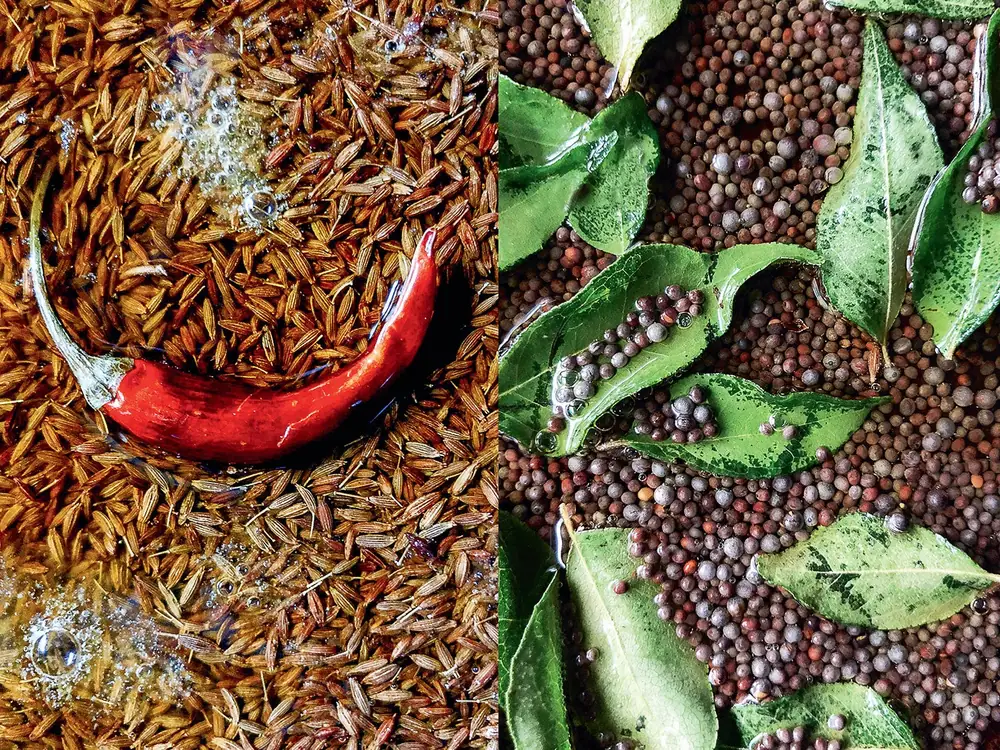
Cumin seeds tempered in oil (this technique is also known as chhonk ) are also an excellent topper for a dal or the beloved savory yogurt condiment known as raita . Use coriander seeds in any kind of hearty gravy, like the one for saag paneer , or as a seasoning for rice.
Turmeric is the kind of spice that often plays a supporting role in terms of savor, but without it, dals and sabzis seem to lack the depth that’s characteristic of most Indian dishes. Mustard seeds and curry leaves both have an appealingly earthy taste, and when used in cookery, they provide dishes with a taste that I can only describe as freshly buttered popcorn. While there are some religions in India that do not permit the consumption of root vegetables, for those who are open to them, sautéing some combination of ginger, onion, and garlic is a great way to build an aromatic base for any kind of sabzi or rice, or the classic Mumbai street food dish, pav bhaji .
PART 2: TIPS & TECHNIQUES TO TRY Get the method for Mustard Seed and Curry Leaf Carrot Salad » Thomas Payne Start with Chhonk This is one of my all-time favorite preparation techniques, based on the principle of toasting spices to bring out the maximum amount of savor. Chhonk is a method of tempering spices in oil or ghee to create a flavor-infused sauce that can be poured over a dal, raita , sabzi, or even raw vegetables to provide a shot of complexity and richness. The basic formula for the dal I grew up eating is lentils + water + turmeric + salt, with lime juice and chhonk added over the top.
Try: Khatti Dal , a classic Hyderabadi-style lentil stew flavored with tamarind paste, mustard seeds. Curry leaves Indian Spiced Potato Pastries (Aloo Samose) Get the method for Cilantro-Mint Chutney » Make Chutney Chutneys are the all-purpose super-sauces of Indian food. They are bright, tangy, and spicy all at once—and best of all, my mom has a formula for turning any herb, from cilantro to parsley to basil, into a chutney.
- Who: Indian