Why do nuts turn bitter?
Nuts, rich in natural oils, become bitter and rancid when those oils oxidize from contact with air, especially if they are stored improperly.
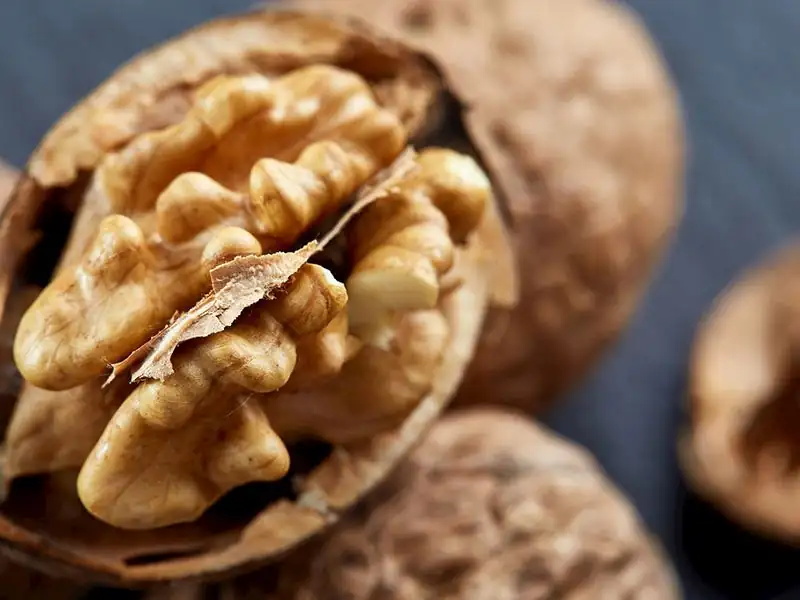
Walnuts are a nut sensitive to storage conditions due to their high natural oil content. Stored for long periods, they can develop an unpleasant odor and a noticeable bitterness.
The main cause is the oxidation of these oils due to contact with oxygen. The process accelerates when the nut is cracked, because its interior is more exposed to the air. As it progresses, the characteristic aroma diminishes and the flavor can become bitter, strong, or rancid, especially if the nuts have been at room temperature for a long time.
Heat, light, and humidity also accelerate deterioration. Countertops exposed to sunlight or warm cupboards are not good places to store them, and humid environments encourage mold. A cool, dry, and dark place is best; shelled nuts can be stored longer in an airtight container in the refrigerator.
Old or improperly stored walnuts lose freshness over time, and bitterness may appear sooner in warm or humid environments. When they have a very bitter taste and smell like rancid oil, washing, roasting, or mixing them with other foods will not remove the spoilage. It is best not to eat them.