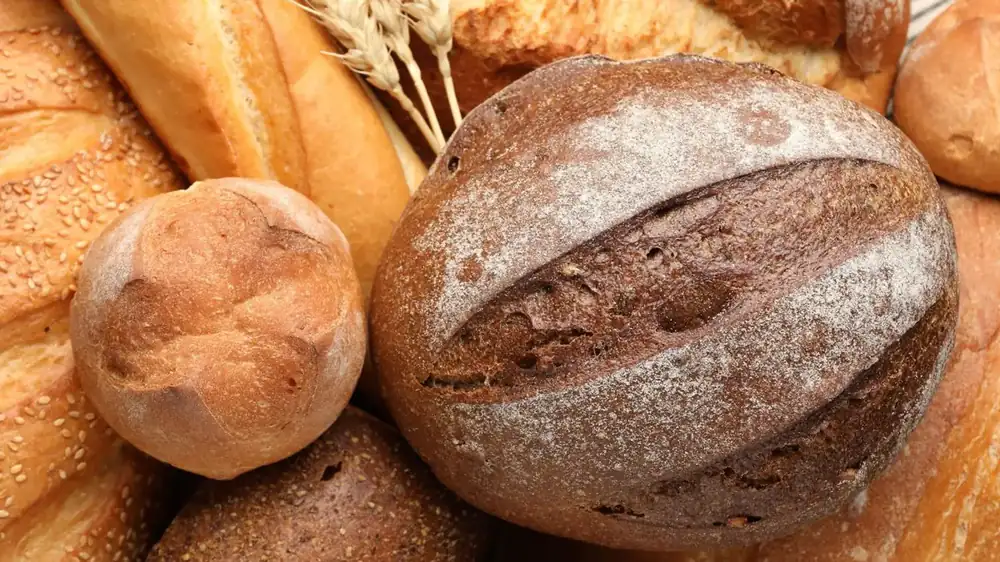
Sourdough bread, white bread, wholemeal bread: one of them actually keeps much longer than the others
Not all breads keep equally well once brought home from the bakery. White bread, whole wheat bread, or sourdough bread: some stay soft longer than others. And contrary to what one might think, the difference isn't just due to the type of flour used.
Not all breads age at the same rate. A baguette bought in the morning may have already lost much of its softness by evening, while a large loaf remains enjoyable for several days. Between white bread, whole wheat bread, and sourdough, the recipe matters as much as the shape of the loaf.
But when they are handcrafted and stored under the same conditions, one bread generally stands out: sourdough bread withstands the passage of time better. This phenomenon is not solely explained by a loss of moisture.
As the bread cools after baking, the starch it contains gradually reorganizes, which firms the crumb. This process, called starch retrogradation, contributes to staling.
The thickness of the crust, the amount of water in the crumb, the type of flour used, and the fermentation process all affect its rate. This is why a thin, white baguette, exposed to a lot of air, generally hardens much faster than a thick loaf.
Sourdough bread generally stands up better over time
Sourdough bread has an additional advantage: its unique fermentation process. The acidity produced during this process helps to inhibit certain microorganisms responsible for bread spoilage, while the mechanisms associated with sourdough can also influence the evolution of its texture.
A dense sourdough loaf can remain pleasant for several days when properly protected. Conversely, a classic white baguette often tastes its best in the hours following baking and becomes noticeably firmer the next day.
Wholemeal bread doesn't necessarily take second place as easily as one might think. Its dark color and often denser crumb give the impression that it keeps better, but wholemeal flour alone doesn't guarantee superior preservation.
The bran notably alters the crumb structure and can even accelerate its firming in certain recipes. Everything therefore depends on the fermentation, hydration, shape, and other ingredients used. A whole wheat sourdough loaf will thus keep very well, whereas a whole wheat yeast loaf can go stale relatively quickly.
The method of preservation can completely change the game.
Even the best sourdough bread will spoil if left uncovered on the countertop. For a few days, a slightly ventilated bread box or a clean cotton or linen tea towel will help limit drying while preserving the crust.
The airtight plastic bag retains more moisture and softens the bread. The refrigerator isn't ideal either: cold temperatures, while not reaching freezing, promote certain mechanisms responsible for firming the crumb.
For longer storage, it's best to freeze bread. It can be sliced before freezing so you only take out the amount you need, then toasted directly. Ultimately, the best way to store bread depends as much on the type of bread you choose as on how you store it.
Under comparable conditions, a large sourdough loaf has serious advantages for staying good for several days, whereas a white baguette shows the first signs of staleness much more quickly.