Tips to End Cake Baking Disappointments
On the kitchen counter, all the ingredients are mixed with great care, and a sweet anticipation begins with the delicious aromas wafting from the oven. However, the frustration that occurs when it comes to inverting the cake spoils all the fun.
-
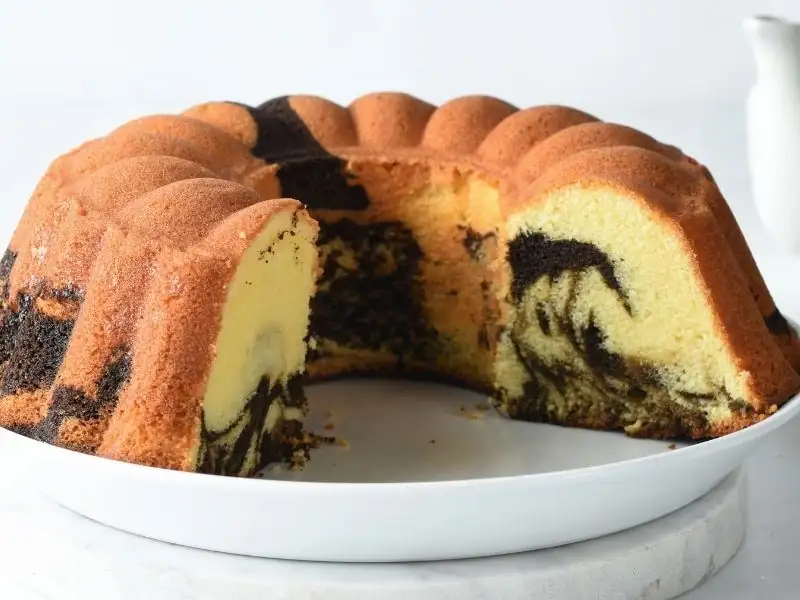
Choosing the Right Cake Mold and Detailing: The choice of cake mold, a crucial step at the very beginning of the cake-making process, determines the fate of the finished product. While elegant and intricately patterned special cake molds promise a stunning visual presentation, the indentations increase the risk of the batter sticking. When working with highly detailed molds, extra care must be taken to reach every curve of the surface. The quality of the mold's material also directly plays a role in ensuring the batter receives heat evenly and bakes homogeneously. A conscious mold choice is the way to prevent potential accidents later on.
-
Flawless Greasing and Flour Coating Discipline: The secret to ensuring the cake comes out of the pan in one piece without any problems lies in perfectly coating the pan surface. The inside of the pan, including the smallest corners and crevices, must be completely coated with baking sprays or special greasing mixtures. Light dusting with flour or cocoa powder completely prevents sticking by cutting off direct contact between the batter and the metal surface. Skipping even the smallest detail at this stage will cause the cake to stick to the pan in that area and break apart. A thorough preparation is the most solid foundation for a flawless presentation.
-
Placing the Batter in the Mold and Air Bubbles: The way the prepared, homogenous cake batter is transferred into the mold requires great care to ensure it takes the mold's shape perfectly during baking. To eliminate any trapped air pockets, the mold should be gently tapped on the counter while pouring the batter. This small but effective action prevents the cake from deforming due to internal voids during baking and helps maintain a smooth texture. Furthermore, leaving an ideal amount of space between each scoop and not filling the mold completely is an important detail that prevents overflow during rising. Correct placement is the biggest factor in achieving success in the oven.