Can beetroot pickle be made raw?
Fresh red beets, readily available at market stalls, are carefully chopped upon arrival home to be transformed into delicious pickles. However, the first question that comes to mind when starting the process is whether the beets, known for their firm texture, should be added to the jars raw or boiled.
-
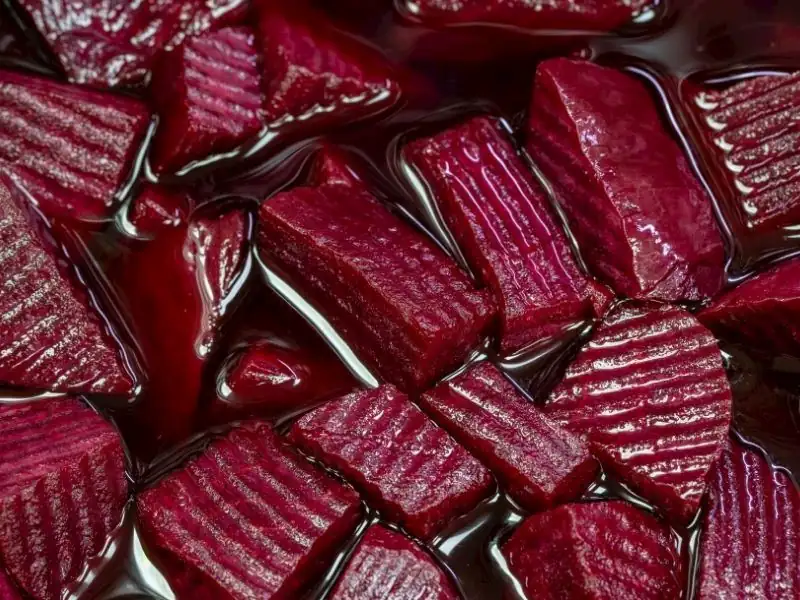
The Method and Logic Beet Pickle Process: Pickling red beets by transferring them to jars completely fresh, without any pre-boiling, is a frequently preferred alternative in traditional cuisine. In this method, the beets retain their natural firmness and vitamin richness while undergoing a long fermentation process. Thinly sliced or diced raw beets, when combined with a specially prepared vinegar and salt solution, gradually begin to soften. This method provides a wonderful foundation for those who want to bring the vegetable's unique, intense aroma to their glasses in its purest form.
-
If Made Raw, the Fermentation Process Takes Longer. If the beets are placed in the jar completely raw, without being blanched, the fermentation process will take a little longer than with blanched beets. Because raw beets retain their texture, they offer an extremely crunchy, firm, and crisp texture when served. However, to achieve the ideal softness, the balance of vinegar and salt, as well as the waiting time, must be patiently extended. As the raw beets absorb the vinegar over time, they retain their color and vibrancy while gaining an extremely appetizing crunchiness to accompany meals.
-
Blanching the Beets Before Adding Them: When the beets are lightly blanched before being placed in the jars, the process and texture take on a completely different momentum and speed up. Since blanching breaks down the firmness of the vegetable beforehand, the pickling time is shortened, and it's ready for consumption sooner. Furthermore, the valuable beet juice released during blanching, when added to the brine mixture, gives the color a much deeper and darker shade. On the disadvantage, beets that aren't blanched properly can become too soft and lose some of the intense crunchiness found in raw pickles.