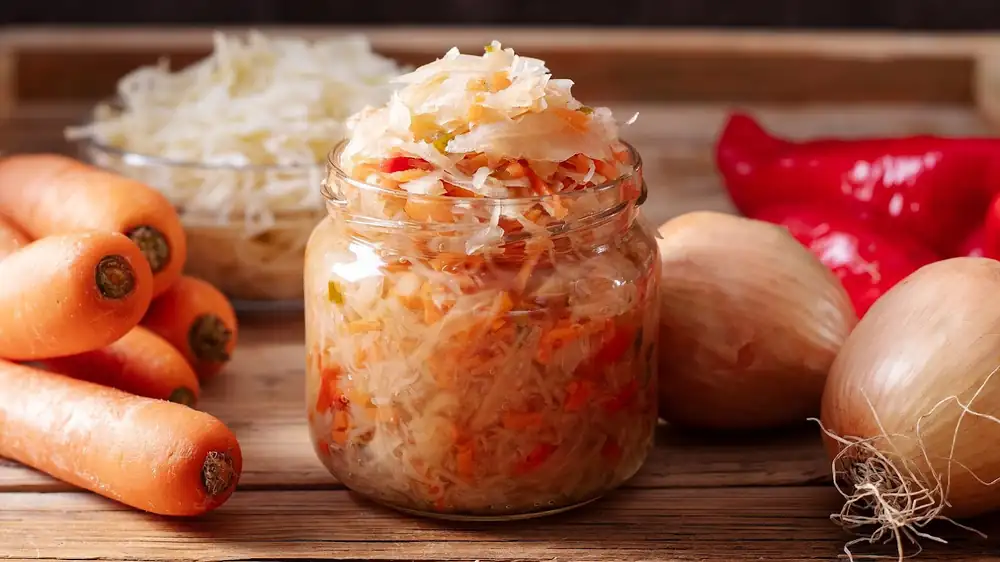
Prepare crispy chalamada for the winter. With an electric slicer, you'll be done in no time
Čalamáda is a harmonious mixture of vegetables in a sweet and sour pickle. You can use it not only as a side dish for main dishes, but also in baguettes, in cold dishes and when grilling. There are simply many options and a delicious čalamáda will definitely not go wrong at home.
Autumn is the perfect time to make vegetable stews. Freezers are usually full to bursting and there are still plenty of vegetables in the garden. The stew we will teach you is made from the most common types. You will need cabbage, onions, peppers and carrots. What you did not grow yourself, you can buy at a bargain price during this period.
Autumn vegetable stew
The hardest part of making a čalamada is cleaning and then chopping all the vegetables. Using an electric appliance will make the process easier.
- For a basic batch of proven cabbage, carrot and pepper stew, you will need
- 4 kg of white cabbage
- 1 kg of peppers
- 500 g of carrots
- 500 g of onions
- 500 ml of vinegar
- 400 ml of oil
- 300 g of granulated sugar
- 1 Deko (a popular preservative)
- Carefully clean the vegetables and chop finely. Grate the carrots. Mix the vegetable mixture well.
- Sprinkle with Dekem and sugar. Pour over vinegar and oil.
- Mix the mixture well again and let it sit in the refrigerator for 24 hours.
- Then pour the mixture into well-washed and steamed jars. A funnel will help you when filling so that you don't have to clean the rims of the jars unnecessarily.
- Once you have packed the vegetables into the jars, cap them and sterilize them in the classic way - for 20 minutes at a temperature of 85 °C.
If you don't have a canning pot, that's okay. Use a regular pot to can according to the following procedure:
Check out more recipes for chalamad mixtures – we have prepared 29 recipes for chalamads from leftover vegetables. You can also use other vegetables and mushrooms if you bring them from the forest.
If you are worried about making chalamada, take a look at the most common mistakes when making chalamada and how to avoid them.