This is why gray shrimp suddenly turn into bright pink ones when fried
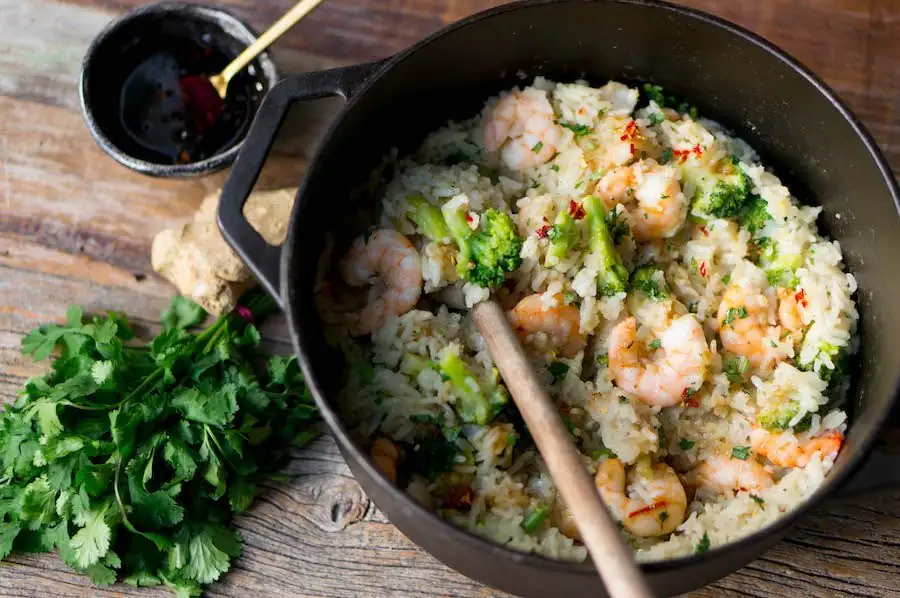
A raw shrimp is usually grayish, a bit translucent, and frankly, not exactly spectacular to look at. But if you place it in a hot pan, something striking happens within a few minutes: the gray disappears and gives way to pink, red, and orange. How is that possible?
That is not because color suddenly appears during frying. After all, it was hidden inside the shrimp all along.
The color was already in it
Shrimp contain a natural red-orange pigment called astaxanthin. That same pigment is found in crab, lobster, and salmon, among others.
In a live or raw shrimp, that astaxanthin is bound to certain proteins. An important example of this is crustacyanin. This bond changes the way the pigment absorbs and reflects light. The result: instead of bright orange or red, the shrimp shell appears bluish-gray to almost transparent.
So you could say that the pink color is already there, but is temporarily camouflaged.
What happens during baking?
As soon as you heat the shrimp, the proteins change. Due to the heat, they unfold and lose their original structure. That process is called denaturation.
As a result, astaxanthin can no longer remain bound to those proteins in the same way. The pigment becomes visible in its natural red-orange color and voilà: your gray shrimp turns pink.
The same thing happens when you boil, grill, or fry shrimp. The exact shade may vary by species, but the principle remains the same.
That is why lobster also turns red.
The trick is certainly not unique to shrimp. Lobsters and crabs also owe their well-known red color after cooking to astaxanthin.
Before cooking, those pigments are also hidden in compounds with proteins. As soon as the shell is heated, that structure breaks open and the color emerges.
With salmon, it is different: astaxanthin is already visible in the flesh, meaning the fish is pink to orange even when raw.
Is pink cooked immediately?
The color change is a handy indication that something is happening, but don't look solely at the color to determine if a shrimp is cooked.
Shrimp also become opaque and firmer while frying. As soon as they turn a beautiful pink and the meat is no longer translucent, they are usually ready. If you continue cooking them for too long after that, the proteins contract further and further, and they quickly become rubbery.
So the next time you throw a handful of gray shrimp into the pan and see them turn bright pink within a few minutes: that color didn't come out of nowhere. You just made it visible.