Do you remove vegetables from bags before putting them in the refrigerator? The mistake that can make them last less
It's quite common, especially if you regularly shop at the market, to stock up on fresh vegetables to store in the refrigerator. Often, however, you make a mistake without realizing it, a habit that compromises their shelf life and accelerates their deterioration.
What happens when you leave vegetables in closed bags?
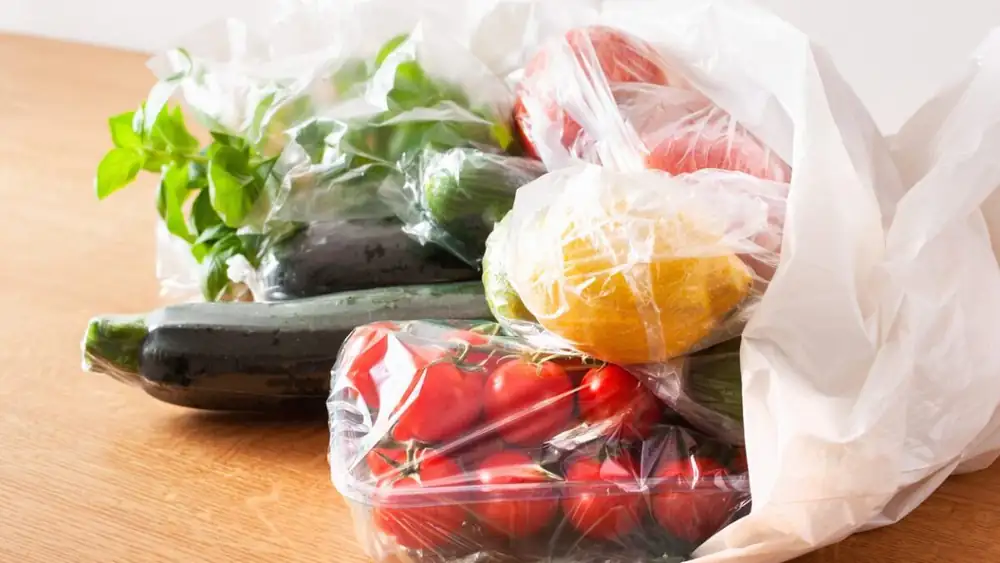
The critical point of bagging vegetables is the accumulation of humidity and, consequently, the formation of water droplets directly on the vegetables. Condensation transforms a normally humid atmosphere into a situation where water remains in contact with plant tissue, creating conditions more favorable to spoilage. When vegetables are left in closed bags, especially if you've just washed them or if they contain a lot of water, a small environment saturated with water vapor is created inside that has no outlet to escape from the bag. Vegetables, in fact, continue to "breathe" and lose water even after being harvested. The most obvious manifestation of this phenomenon is condensation: the water vapor present in the air inside the bag settles on the coldest surfaces, forming small droplets on the sides of the bag and on the vegetables. The more closed and poorly ventilated the bag is, the more difficult it is for this moisture to be dispersed.
This poses a problem for product preservation, as constantly wet surfaces favor the growth of microorganisms, and over time, soft, slimy areas, stains, and mold can appear on the vegetables. The problem is particularly evident in leafy vegetables: water trapped between the leaves can rapidly cause them to wilt and deteriorate. Furthermore, in a completely closed bag, the composition of the air gradually changes: vegetables' respiration consumes oxygen and produces carbon dioxide and water vapor. If exchange with the outside world is very limited, these changes can contribute to a decline in quality, especially if the storage temperature is inadequate.
When is it best to remove or open the bag?
There's an apparent contradiction, however: an environment that's too dry is also harmful, as it causes vegetables to lose water, causing them to wilt and lose their crispness. How can you find a balance and create an environment that's neither too humid nor too dry? You need to carefully evaluate the type of vegetable and its needs. First of all, never leave vegetables in the bags or packages they come in, and never store them in plastic bags, even food-grade ones: plastic, even if you don't close the bag, retains the water released by the vegetables, accelerating rot and mold. A paper bag, on the other hand, even if closed, can let the food breathe because the material is porous, absorbing excess moisture, and thus preventing condensation from forming. Just remember that if the vegetables are too wet or have very damp leaves, the paper risks getting wet and sticking to the food, accelerating spoilage. If you notice that the bag has become too moist, replace it.
If you've washed vegetables before storing them, and there's residual water on the leaves or surfaces, it's a good idea to leave the bag open for a while to allow the residual water to dry and the moisture to evaporate. The quantity of vegetables in the package also matters: a very full bag impedes air circulation between the different pieces and creates areas where moisture can collect. Furthermore, if some vegetables are already spoiled, it's a good idea to separate them quickly from the others: damaged parts can become particularly fertile areas for microbial growth.
A valid alternative to paper bags is to use micro-perforated bags or micro-perforated fabric bags: these are packages with small holes that allow for limited exchange of air and water vapor with the outside environment. This way, the packaging can help maintain a relatively high humidity around the vegetables, reducing water loss, while also preventing the environment from being completely sealed. However, if a lot of water has already accumulated inside the package, the micro-perforations aren't a miracle solution: if condensation is evident, it's best to change the package, dry the vegetables, and store them in an open bag.
How to properly store different vegetables in the refrigerator drawer
The refrigerator drawer is designed specifically to create more favorable conditions for storing vegetables, but not all vegetables have the same needs. The main difference lies in the relationship between temperature, water loss, and humidity: some vegetables need to be protected from dehydration, while others suffer from excess moisture. For leafy vegetables like lettuce, spinach, chard, arugula, and herbs, the primary goal is to prevent them from losing water: they are delicate and rich in water, so if left uncovered in the refrigerator, they tend to wilt quickly. It's generally best to store them in the drawer, inside a bag or container that limits moisture loss, but avoid closing them when they're wet. If they've been washed, it's important to dry them thoroughly before storing: residual water between the leaves can promote spoilage. An absorbent material, such as paper towels, can help manage excess moisture, provided they're replaced when they become damp.
A similar consideration applies to carrots, radishes, turnips, and other root vegetables. They generally keep well in the refrigerator because the cold slows the loss of quality, but it's essential to cut the green parts before storing: the leaves continue to transpire, drawing water directly from the root and causing it to shrivel quickly. Root vegetables can be stored in a bag or container that reduces dehydration, but even then, it's best to avoid the accumulation of free water. Vegetables that tend to lose their crispness quickly, such as celery and fennel, also benefit from protection from dehydration, but be careful because they are also susceptible to condensation: if you notice that the inside of the bag is very wet, it's best to replace it. The same goes for vegetables like broccoli and cauliflower: these vegetables can lose quality if they dehydrate, but they shouldn't be stored in waterlogged conditions either. It's therefore helpful to keep them cold and protected, preferably in packaging that allows for some control over humidity exchange, such as micro-perforated bags. For vegetables like courgettes, store them in paper or micro-perforated bags left open: although they are sensitive to dehydration, sealing them would retain the steam from their own respiration, accelerating softening and rotting.
Mistakes that can accelerate the deterioration of vegetables
Besides choosing the wrong type of bag, and deciding whether to leave it open or closed, there are other mistakes that can contribute to the accelerated deterioration of vegetables. Storing vegetables properly isn't simply about keeping them cold: it means controlling the balance between temperature, water, and air circulation. However, it's a common mistake to think that simply putting them in the refrigerator will keep them fresh for a long time. One of the main precautions to take, which we've already mentioned but cannot be emphasized enough, is to avoid storing vegetables in the refrigerator while they're still wet. After washing, the water that remains between the leaves, in the cavities, or on the surface of the vegetables can turn into condensation once the package is closed. In a poorly ventilated environment, the surfaces remain damp for a long time, which promotes deterioration. Therefore, if you absolutely must wash vegetables before storing them, it's essential to dry them thoroughly.
Another common mistake, the opposite of this, but equally risky for the health of vegetables, is leaving them completely exposed to the refrigerator air. A cold, relatively dry environment promotes water loss: leaves become limp, vegetables lose their crispiness, or they shrivel. The solution, therefore, isn't to always discard all packaging, but to use packaging that limits dehydration while also avoiding trapping the vegetables in an excessively humid environment. Also remember a fundamental rule: crowding too many vegetables in the drawer can accelerate spoilage. Vegetables need a minimum amount of space for air to circulate, but when they're packed tightly together, moisture tends to concentrate, and damaged areas remain in contact with other produce. Furthermore, a damaged or deteriorating vegetable synthesizes and emits ethylene (the aging hormone), which rapidly deteriorates all surrounding vegetables.
Finally, a simple yet common mistake is to leave vegetables unchecked for too long. Proper storage means not only arranging vegetables correctly but also periodically assessing their condition to notice any signs of ailment, remove any deteriorated produce, replace damp absorbent materials, and check for any signs of condensation.