Chicken wings in a bag: what 60 Million Consumers reveals about these successful snacks
Quick cassava cream: the Martinique recipe that smells like the Caribbean
on 01/10/2026
Easy to snack on, often with a spicy flavor, and at a low price: ready-to-eat chicken drumsticks have found their place in our fridges! They're everywhere in the refrigerated section. Barbecued, Indian, or even Mexican-style versions sit alongside classic plain or crispy ones. This is sure to appeal to finger food lovers as well as those more sensible about simple appetizers, for both children and adults. But what's really in a bag of chicken drumsticks? 60 Million Consumers investigated. Nutritional balance isn't always guaranteed, especially in terms of fat and salt, and they're far from simple homemade golden-brown drumsticks or a freshly baked chicken drumstick recipe. Manufacturers add their own touch, sometimes even a few additives, and the composition varies from one recipe to another. But what exactly is under the crispy skin of these convenient products, and what alternatives are there for smarter snacking? With us, there are no taboos surrounding the chicken drumstick recipe: we challenge preconceived ideas and guide you to understand everything about this snack that appeals to young and old alike.
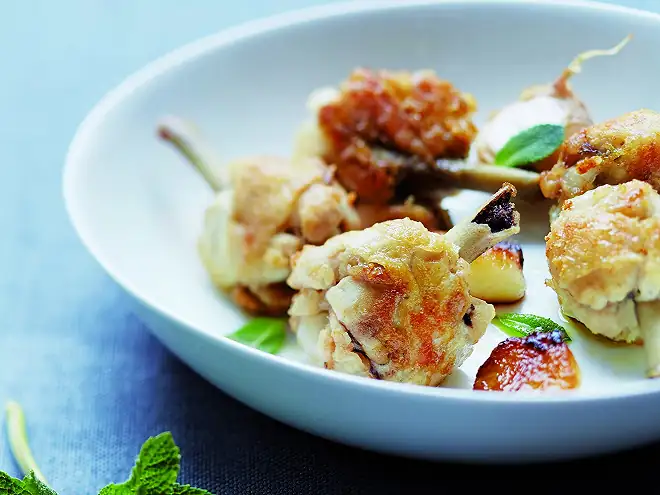
An industrial chicken drumstick is the first part of the wing, prepared like a mini drumstick to be eaten with the fingers; manufacturers retouch the skin and meat to leave a small piece of bone sticking out to make it easier to hold, then offer various seasonings (barbecue, Mexican, Indian) and brand names like Grignot' or Coq'Ailes.
The base remains chicken meat, but industrial versions often include additional ingredients: additives, sauces and a significant amount of salt; according to 60 Millions de consommateurs, nutritional profiles vary mainly in fat and salt depending on the recipe (plain, in sauce, spicy).
Manufacturers add seasonings, additives and sometimes more salt and fat to achieve taste and preservation, which makes their nutritional profile different from a simple homemade recipe where you control the spices and the amount of salt and fat.
For smarter snacking, choose a homemade recipe: select your spices, measure herbs and salt, or opt for a homemade baked chicken leg or chicken in sauce recipe to limit additives and excess fat found in industrial products.
The sheath corresponds to the first part of the wing, before the phalanx, and resembles a mini drumstick; the drumstick, on the other hand, generally refers to the fleshier part of the thigh, so visually and in texture they remain distinct despite a certain resemblance.
In one click
Do you often cook with us? Tell Google.