Chefs agree: blanquette is better if you never brown the meat before cooking
While every classic recipe can tolerate some personal interpretation, certain fundamental elements should not be overlooked. For blanquette, the rules of this iconic dish are essential. To respect them, browning the meat before cooking is a mistake to absolutely avoid. We'll explain why.
Blanquette, traditionally made with veal, is one of the great classics of French gastronomy that needs no introduction. It is a refined stew in which the culinary codes to be respected are as much visual as they are gustatory.
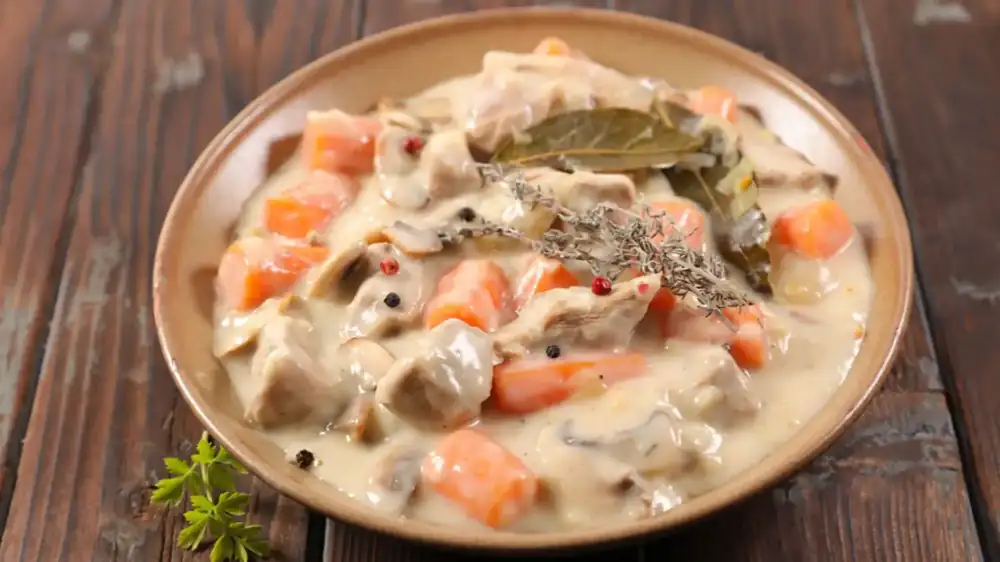
Unlike other iconic dishes, such as beef bourguignon, blanquette is distinguished precisely by its almost immaculate color, which reflects a cooking method in which browning of both the meat and the sauce is avoided. Browning the pieces beforehand is a mistake to be avoided.
For a classic blanquette, the goal is a rich, creamy sauce with a delicate character. Overcooking the meat would not only alter its appearance but also give the final dish a different flavor profile, not to mention the impact on its texture.
Cooking without browning
When preparing beef bourguignon, the Maillard reaction is an essential first step. It creates a flavorful golden-brown crust on the surface of the meat while sealing in the juices. This caramelization, achieved through sudden, intense heat, is perfect for a dish that emphasizes both intensity and depth of flavor.
It would be a mistake to try to apply the same approach to the meat in the blanquette. The main objective is to keep the flavors as clear as possible. Darkened meat, however appetizing, has no place here. Furthermore, the strong grilled notes that come with browning the meat would mask the delicate flavor of the veal and disrupt the aromatic balance of the garnish.
Furthermore, such treatment can also negatively affect the texture of the meat. Blanquette simmers for a much shorter time than beef bourguignon, and a mistake at the outset can easily lead to an unpleasant, rubbery result.
The chefs' approach
To preserve the whiteness of the meat and maintain a very pure, velvety sauce, many chefs, like Philippe Etchebest, recommend poaching starting from cold. This technique whitens the meat, removing impurities.
After rinsing, poaching in the aromatic juices allows the meat to cook gently, absorbing its flavor while retaining a deliciously tender texture. This slow cooking process relaxes the fibers and facilitates the transformation of collagen into gelatin.
Simmering gently gives the veal an irresistibly tender texture. No part of the meat is overcooked, allowing the sauce to remain remarkably pale. This is the secret to an ultra-meltingly tender blanquette with its iconic color.