This Unexpected Ingredient Makes the Perfect French Toast
An ingredient I usually reserve for making pasta created the best French toast I've ever eaten.
My kids learned to make French toast by themselves this past summer, which, as a work-from-home mom, felt like a major breakthrough. They could make their own breakfast! A hot breakfast! Without me! The victory was slightly diminished, though, when they began making French toast for breakfast, lunch and any other meal they thought they could get away with.
I eventually had to put some limits on their newly self-sufficient French toast operation, and thankfully the novelty began to wear off. Then I came across a trick that had me reaching for the skillet. That’s right, apparently we’re having French toast again.
I spotted the trick in an from Christopher Kimball’s Milk Street, and the secret ingredient was one I associate much more closely with homemade pasta: semolina flour. According to the video, adding just a little to your French toast preparation produces a crispier exterior and a soft, custardy center. That was a promise I was more than willing to put to the test, despite having spent most of the summer trying to get French toast off the menu.
Why does semolina flour make French toast better?
Made from hard durum wheat, semolina is coarser than standard all-purpose flour and especially good at absorbing liquid. Adding just a small amount to the dish helps the bread absorb more of the soaking mixture without becoming a soggy mess, keeping it crisp on the outside and deliciously custardy on the inside. Considering French toast is essentially bread soaked in liquid and fried in butter, getting those two textures just right can be surprisingly difficult.
The trick requires only a couple of tablespoons of semolina, but there’s another small trick worth borrowing: adding a light sprinkling of sugar on both sides of the soaked bread before it goes into the skillet. The sugar caramelizes as the French toast cooks, helping the outside develop an even better crust. This gives your finished dish a little creme brulee –like magic.
How to Use Semolina Flour in French Toast
I started with thick slices of bread, which I dried out slightly so they could absorb plenty of custard without falling apart. For the soaking mixture, I whisked together 1 cup of half-and-half, 2 eggs, 1/4 cup of sugar, 2 tablespoons of semolina flour and a generous splash of vanilla. I let the mixture rest for about 10 minutes to give the semolina time to hydrate. It’s a similar principle to letting pancake batter rest: Giving the dry ingredients time to absorb liquid can make a noticeable difference in the finished texture.
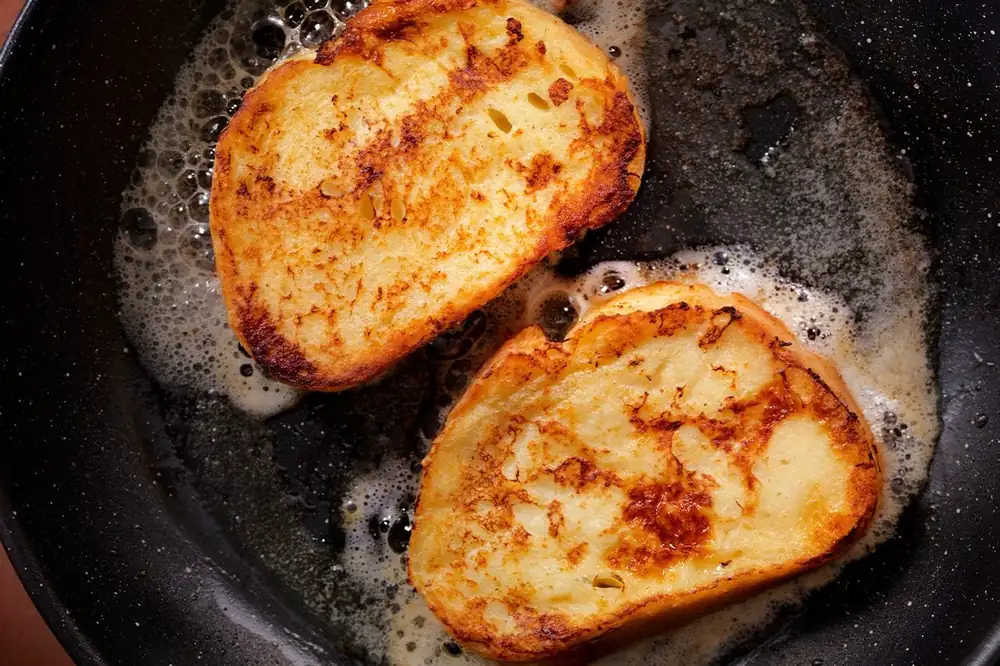
I then soaked the slices for about 10 minutes, flipping them halfway through. I sprinkled a little additional sugar on each side just before cooking the slices in a buttered skillet until they were golden brown.
How does it taste?
I can say without hesitation that this was the best French toast I’ve ever eaten. The exterior developed a beautiful, crisp crust, while the inside remained soft and wonderfully custardy. It was everything I want French toast to be, with none of the sogginess that can make an otherwise promising breakfast feel like a slice of wet bread.
What impressed me most was how well the two textures worked together. The crust had a delicate crispiness that gave way to a rich, tender center, and the extra sugar added just enough caramelization without making the French toast excessively sweet. It was a substantial improvement over my usual French toast for very little additional effort.
Unfortunately, this means the French toast situation in my house is about to get worse. My kids had finally stopped making it for every meal, and now I’m the one looking for excuses to put it back on the menu. At least we’ve established that everyone in this house is perfectly capable of making their own breakfast.
Have you tried this method before?