Stop Teaching Wine: The New Wine Tourism Experience
Italian wine tourism still relies on technical monologues, while foreign models like Scottish distilleries focus on personalization and interactivity. Direct extraction from the barrel, visitor-specific flavor profiles, and premium gifts transform the bottle into a relational object.
If there's a historical limitation in Italian wine tourism that I grapple with daily, it's our stubborn tendency to monologue. We welcome tourists, seat them, and, with great pride, explain in detail what they should taste in their glass, imposing our technical vision from above. We deprive them of their curiosity. But what would happen if, instead of "teaching" wine, we started to help guests discover their own tastes, entertaining them and making them the absolute protagonists?
Guide the discovery, don't impose the taste
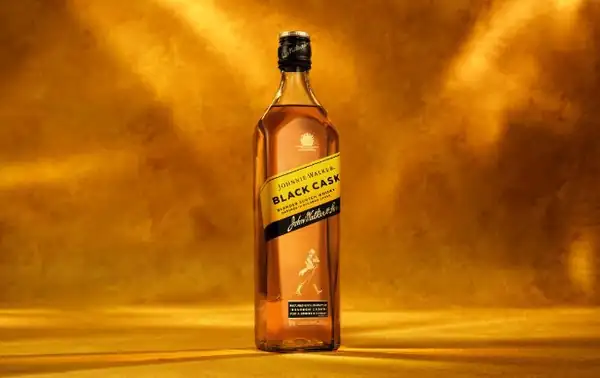
On my recent trip to Scottish distilleries, I saw the concept of customization applied to levels that still seem like science fiction in the world of Italian wine. In an extraordinary visitor experience in Edinburgh, guests are never subjected to a lecture. Through an interactive journey that stimulates the senses and playfully gathers their preferences, the system itself guides them toward discovering their ideal aromatic profile. No one tells them, "This is the best product." They simply understand it themselves, having fun. When it comes time to taste, they find themselves with a glass that feels intimately their own.
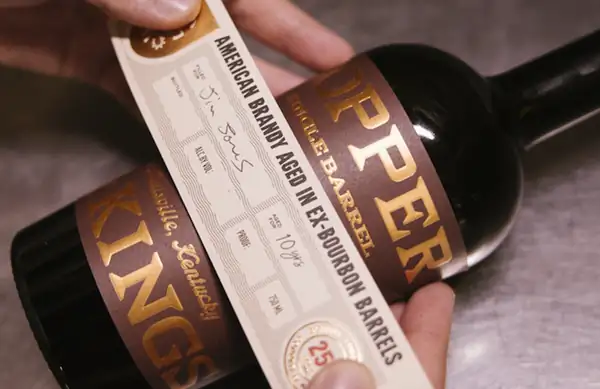
I then witnessed a ritual of devastating commercial and emotional power: the direct extraction from the barrel. The visitor picks up the product with his own hands, fills the bottle, corks it, labels it, and signs it. That bottle will never be found in any supermarket or wine shop in the world. It is literally unique. And I assure you that its perceived value, in the customer's mind, far exceeds its actual commercial value.
The bottle as an object of relationship
Finally, there's the topic of premium gifts, which we've culpably overlooked. Abroad, I've seen simple bottles transformed into genuine relational objects, thanks to instant personalization, dedicated engravings, and bespoke gift boxes. The bottle ceases to be just a beverage and becomes a vehicle for emotions and memories, instantly doubling its shelf value.
These aren't just travel anecdotes. They're real business models, powerful psychological levers that shift wine tourism from an "entrance ticket" mentality to one of building lasting revenue and profitability.
Italian wine already has the raw materials, the history, and even the technical tools to do all this. But knowing these concepts isn't enough; the real challenge is figuring out how to translate them into reality, within our budgets, our spaces, and our legislation, without falling into banality or mimicking foreign models.
It's a transformation that requires a precise method, not improvisation. Precisely for this reason, in our training courses dedicated to Hospitality and Direct-to-Consumer, we delve into these dynamics. We analyze case studies, provide practical tools, and work side by side with wineries to understand exactly how to adapt and implement these winning models in Italy, finally transforming hospitality into a highly profitable strategic asset.
Key points
- The technical monologue distances the visitor from his natural curiosity towards wine.
- The personalization of taste makes the guest an active protagonist of the aromatic discovery.
- Direct extraction from the barrel generates a perceived value higher than the actual commercial value.
- Premium gifts transform the bottle into a vehicle of emotions and memories.
- A structured method allows these models to be applied in the Italian context with concrete results.