Here are the signs: How to tell if fish is stale?
Stale fish can be identified by its smell, changes in its eyes, gills, skin appearance, and the texture of its flesh.
To determine if fish is fresh, you need to pay attention not only to its appearance but also to its smell and texture. Especially when buying fish or before cooking, a few simple checks can help identify fish that have lost their freshness. In this article, we answer frequently asked questions such as how to tell if fish is stale, what does stale fish smell like, how to tell if cooked fish is stale, and what happens if you eat stale fish.
Contents
- How can you tell if fish is stale?
Signs of spoilage can appear in the eyes, gills, skin, and flesh of the fish. If several of these signs are observed simultaneously, the fish should not be consumed.
- Check the smell: Fresh fish may have a mild, characteristic sea odor. A sharp, sour, heavy, or ammonia-like odor is a sign of loss of freshness or spoilage.
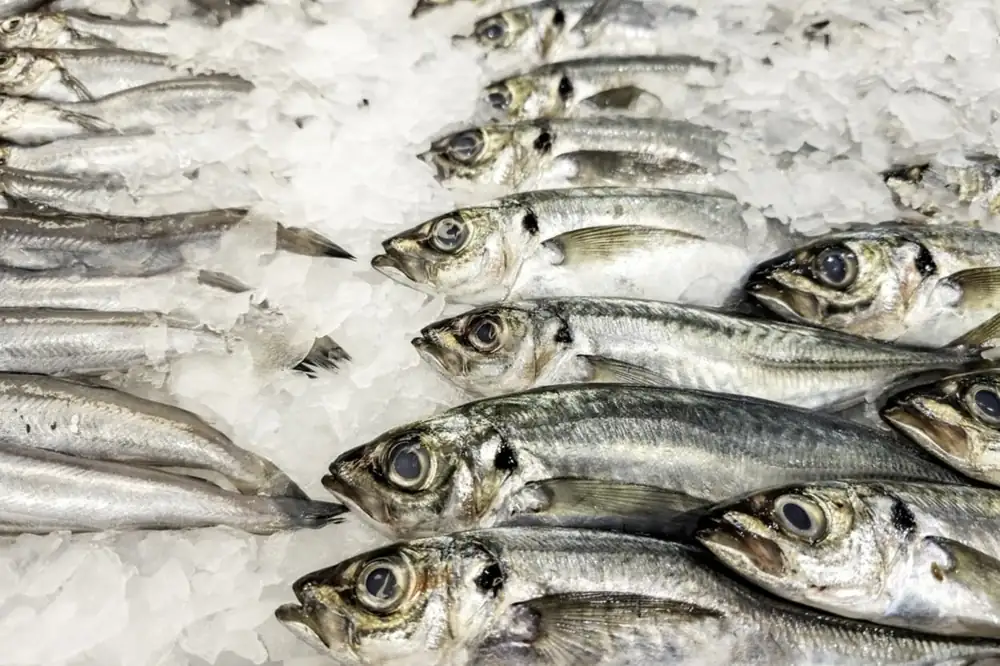
- Check the eyes: Fresh fish usually has clear, bright, and full eyes. Dull, cloudy, or sunken eyes may indicate that the fish has been sitting for a while.
- Examine the gills: In fresh fish, the gills can be a vibrant red or pinkish color. Brown or grayish gills with thick mucus may indicate a loss of freshness.
- Examine the skin: The fish's skin should look shiny and firm. Excessive dullness, discoloration, or unusually thick mucus are signs to watch out for.
- Check the texture of the flesh: The fish flesh should be firm and elastic. If an indentation remains for a long time when you press lightly with your finger, or if the flesh falls apart easily, it may indicate a loss of freshness.
- Check the belly: If you notice any changes in the belly area of the fish, such as noticeable softening, swelling, or tearing, it should be carefully evaluated before consumption.
A single symptom doesn't always mean the fish is definitely spoiled. However, if you notice multiple symptoms together, such as a bad smell, dull eyes, discoloration, and tender flesh, it's safer not to consume the fish.
- What does stale fish smell like?
The characteristic sea smell of fish differs from the strong odor associated with spoilage. The development of a noticeable and unpleasant odor in fish, especially if accompanied by other signs of spoilage, should be taken seriously.
- Sour smell: A sharp, sour smell, different from the normal fish smell, may indicate a loss of freshness.
- Ammonia-like odor: A sharp, chemical-like, or unpleasant smell is a significant warning sign.
- Strong fishy smell: A very intense, unpleasant odor that becomes more pronounced over time may indicate that the fish has lost its freshness.
- Abnormal odor after cooking: If the fish develops a strong or unpleasant odor after cooking, different from its normal aroma, this should also be considered.
The important point here is that each fish can have its own unique smell. A fish smelling of the sea or fish itself doesn't necessarily mean it's spoiled; unusual, sharp, and unpleasant odors are more significant.
- How can you tell if cooked fish is stale?
Detecting loss of freshness in cooked fish can be more difficult than in raw fish. Therefore, how the fish looked before cooking and the conditions under which it was stored are also important.
- Abnormal odor: If a sharp, sour, or ammonia-like odor develops after cooking, it is a reason not to consume it.
- Excessive tenderness of the meat: If the meat of cooked fish becomes much softer than normal, mushy, or easily falls apart, this is a change to watch out for.
- Changes in color and appearance: If cooked fish shows unusual color changes or formations suggestive of spoilage on the surface, it should not be consumed.
- Prior storage conditions: If the fish has been stored for a long time under unsuitable conditions before cooking, simply cooking it does not guarantee that it will be safe to use.
- Don't test by taste: Tasting a small piece is not a reliable way to determine if a suspicious fish is safe. It should not be consumed if it looks or smells suspicious.
- What happens if you eat stale fish?
Fish that has spoiled or been stored improperly may contain microorganisms or, in some cases, toxins that can cause foodborne illnesses. Symptoms can vary depending on the type of fish, the cause of spoilage, and the individual's condition.
- Digestive symptoms may occur: complaints such as nausea, vomiting, diarrhea, and abdominal pain may develop.
- Some fish can exhibit histamine poisoning: Histamine accumulation can occur, particularly in some fish stored at inappropriate temperatures. In this case, in addition to gastrointestinal symptoms, other symptoms such as facial flushing, headache, itching, or palpitations may also occur.
- Symptoms can begin at different times: In foodborne illnesses, the time it takes for symptoms to appear can vary depending on the causative agent.
- Suspicious fish should not be consumed: It is not advisable to check fish by taste if it smells bad, shows noticeable changes in appearance, or is suspected of not being stored under appropriate conditions.
- Seek medical attention in case of severe symptoms: Immediate medical attention is necessary, especially if you experience persistent vomiting, severe diarrhea, significant thirst, difficulty breathing, altered consciousness, or severe allergic reactions.
- Frequently asked questions about stale fish.
- Why does fish smell so strong?
As fish sits, its odor can become more pronounced due to structural changes and microbial activity. A sharp, sour, or ammonia-like odor should be considered a sign of lost freshness.
- What should a fish's eyes look like?
Fresh fish usually has clear, bright, and full eyes. Dull, cloudy, or sunken eyes may indicate that the fish has been sitting for a while.
- What color should a fish's gills be?
In fresh fish, gills usually appear in vibrant red or pinkish tones. Brown, gray, or heavily mucous gills should be considered a sign of loss of freshness.
- Can you tell if a fish is stale after it's cooked?
In cooked fish, signs such as abnormal odor, excessive tenderness, or unusual appearance may be noticeable. However, cooking does not make pre-spoiled fish safe; therefore, the condition of the fish before cooking is also important.
- What does stale fish taste like?
Stale or spoiled fish may have a sour, bitter, or unusual and unpleasant taste. However, tasting fish is not a reliable way to determine its freshness; suspicious fish should not be consumed.