
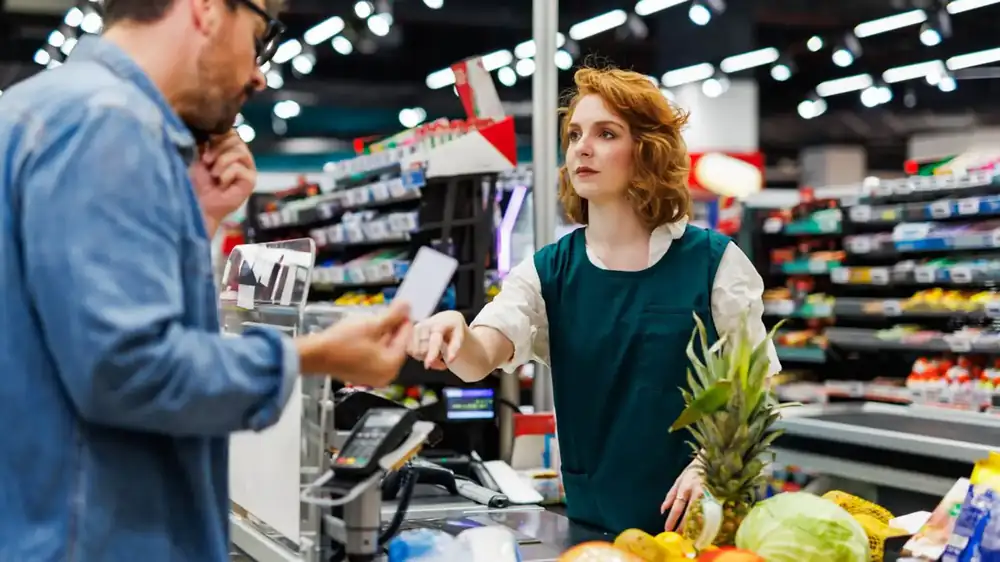
“And then it backfires on us”: cashiers can no longer tolerate this customer habit; it has to stop
A packet of pasta left near the shampoo, a bottle abandoned by the checkout, or even worse, a fresh product left in the middle of an aisle: in supermarkets, this kind of action is far from being as harmless as it seems.
We all change our minds while grocery shopping. That packet of biscuits might not appeal to us anymore, that sauce might not be essential, or our budget might be climbing a little too quickly. Nothing unusual so far. The problem begins when the product is placed on the first available shelf, leaving it to the employees to find and put away.
Leaving an item just anywhere really complicates the cashiers' job.
At first glance, placing a box of cereal among the canned goods might seem harmless. However, these scattered items must eventually be returned to their proper place. Employees therefore collect them throughout the day, particularly around the checkouts, before having to search the aisles to find their original location.
And when the store is busy, these small abandoned items can quickly add up. One item here, two products there, then a whole basket left near a checkout: this represents time that won't be spent on other tasks. Restocking, customer service, and cleaning must all continue in parallel, with the same team.
With fresh produce, this bad habit becomes even more problematic.
The practice is particularly problematic when it involves refrigerated or frozen food. A package of meat, a yogurt, or an ice cream left for several minutes on a shelf at room temperature cannot necessarily be put back on sale. It's impossible, in fact, to know how long the product has been out of refrigeration.
When in doubt, some items might end up being removed from the shelves rather than put back on them. As a result, a simple change of mind can contribute to food waste. Leaving fresh produce away from the refrigerator is therefore definitely not the right solution, even when you're in a hurry.
What should you do if you change your mind while shopping?
The most obvious solution is to return the item to where you picked it up. But if you're already at the other end of the store, there's no need to go all the way back. You can simply keep the item in your basket until you reach the checkout and indicate that you don't want to buy it after all.
Cashiers can then retrieve and store it properly, especially if it's a fresh product. This small gesture requires almost no effort from the customer and avoids many complications behind the scenes. Changing your mind isn't the issue. The problem is rather the fact of randomly transforming an aisle into an impromptu drop-off area.