Recipes that freeze well so you have meals ready during the week
There are days when we'd be grateful if dinner were already made before we even think about what to cook. That's where the freezer comes in handy, as long as we don't just use it as a dumping ground for leftovers.
Soups and stews: the most convenient to freeze
A pot of soup, stew or potage allows you to prepare several servings at once and requires hardly any work when it's time to take them out of the freezer.
Vegetable soups, legume stews, and many simple creams usually keep well. However, it's important to consider the ingredients: pasta and rice can become too soft after freezing and reheating, and some creams with a lot of cream or certain dairy products can lose their smooth texture when thawed.
In an onion soup, it's worth freezing the soup separately and leaving the bread and cheese for the gratin until serving time.
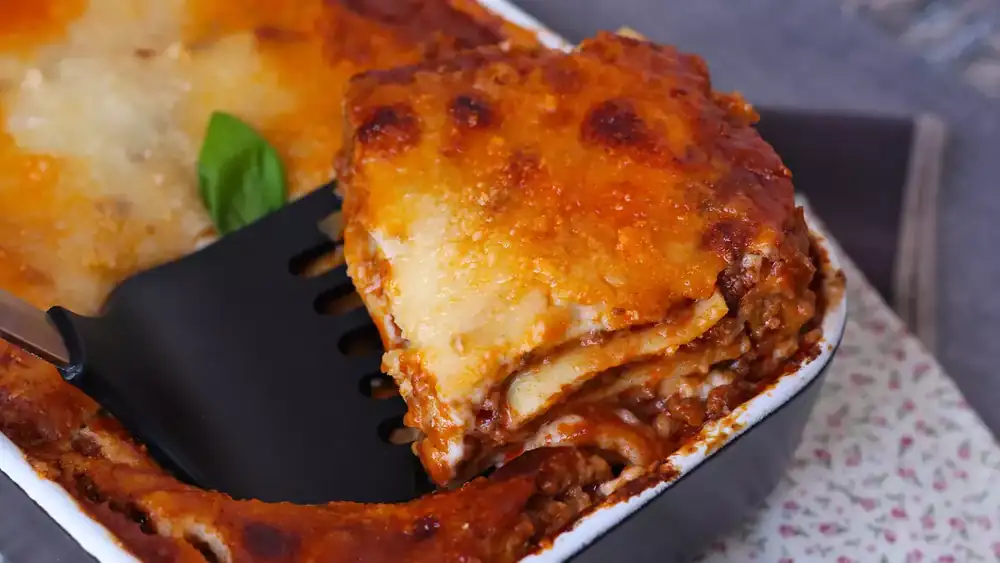
Lasagnas and other baked dishes
Meat pies topped with mashed potatoes can also be frozen, although the potato may change texture slightly upon thawing. Preparations where the mashed potatoes contain butter or dairy products generally freeze better than simply cooked potatoes.
Legumes: best in stews, creams or cooked preparations
Chickpeas, lentils, and beans freeze well once cooked, especially when they are part of a stew or retain some liquid.
How to freeze cooked food properly
- Divide before storing: A large quantity takes much longer to cool than several small portions. Soups, stews, and sauces can be divided into shallow containers so they cool down more quickly. Cooked food and leftovers shouldn't be left at room temperature for hours: refrigerate or freeze them as soon as possible, and as a safety rule, within about two hours.
- Freeze in the quantities you'll actually use: a single serving, two servings for dinner, or a small platter for several people are usually more practical than a huge container. Besides making defrosting easier, this also prevents you from having to refreeze more food than necessary.
- Use freezer-safe containers: These can be boxes, freezer bags, or rigid containers designed to withstand low temperatures. For sauces and liquid preparations, leave some headspace to allow for expansion when frozen.
- Label with name and date: After a few weeks, distinguishing a Bolognese from a dark stew through a frozen container can be much less obvious than it seemed the day you stored it. A label with the name and date avoids confusion and helps you use what's been stored the longest first.
Which foods tend to freeze worst?
The freezer preserves food, but it doesn't leave all food exactly as it was.
Leafy salads, raw tomatoes, cucumbers, and other vegetables that rely on a fresh, crunchy texture lose a lot of water when thawed.
Dishes with a lot of mayonnaise or certain emulsified sauces may separate. Cooked potatoes may become more mealy or grainy, and overcooked pasta or rice may become excessively soft after reheating.
That's why it makes more sense to reserve space for things that really make good use of it: sauces, soups, stews, lasagnas, cooked legumes, and items like croquettes or falafel.
The freezer works best when we know what's inside.
Freezing food isn't just about storing leftovers. When used properly, a freezer allows you to cook once and spread the work over several meals.
A sauce we make on Sunday can save the day for pasta on Wednesday. A serving of lasagna means we don't have to start from scratch another night. Individually frozen falafels let us take out exactly what we need.
There's no need to fill your freezer with twenty different dishes. With just a few recipes that freeze well, stored in convenient quantities and properly labeled, you'll have plenty of options to make weekday cooking much easier.