Our Grandmothers' Method of Keeping Pomegranates Fresh Throughout the Winter
Having fresh, sweet pomegranate seeds on your table during the winter months is possible by following the correct preservation steps. The hanging method, practiced for generations in the rural regions of Anatolia, ensures that the fruit retains its freshness for months.
-
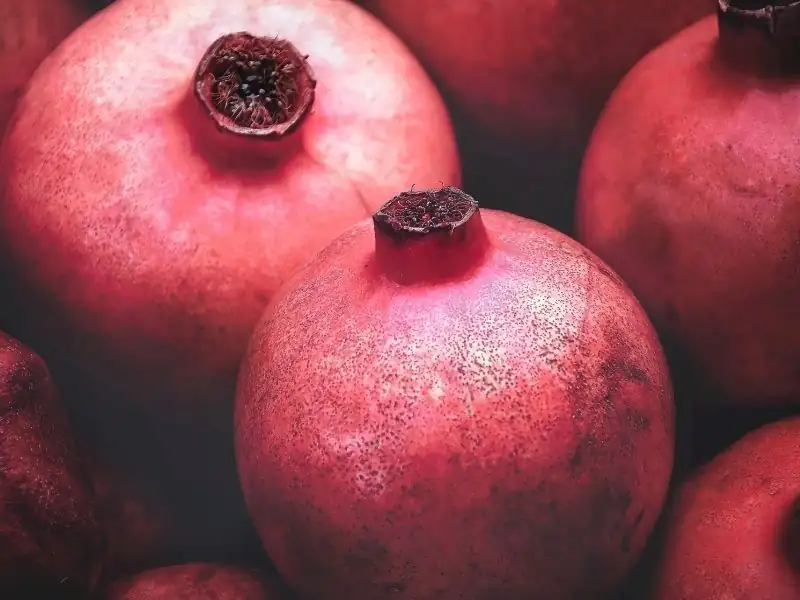
Proper Harvesting and Selection of Uncracked Pomegranates: The first and most important step in the pomegranate preservation process is harvesting the fruit from the tree using the correct technique to ensure it is suitable for winter storage. Pomegranates intended for winter storage must have peels that are absolutely unbroken, unopened, uncracked, and undamaged. During harvesting, the stem where the pomegranate is attached to the branch is not completely cut; a long enough branch to be tied to a string is left attached. The most critical rule when preparing these harvested pomegranates is that they must absolutely not come into contact with water. Pomegranate peels that come into contact with water absorb moisture, making them susceptible to spoilage during storage. Properly selected pomegranates that have not been exposed to water are perfectly ready for this age-old preservation method.
-
Winter Pomegranate Bundling Technique: This method, used since before refrigerators or modern cold storage facilities, begins with preparing strong twine or hemp ropes. These strong ropes are then tightly tied to the long stem portions left on the fruit after harvesting. Each bundle of ropes typically holds 4 or 5 pomegranates, spaced apart to prevent contact between them, forming a cluster. Keeping the pomegranates separate prevents any adverse effects from one fruit from spreading to the others. This delicate tying process creates a secure structure for the pomegranates to hang throughout the winter.
-
The Stage of Hanging Pomegranates from the Ceiling in Cellars and Attics: The prepared pomegranate bunches are hung from the ceilings of cellars, attics, basements, or other dry and cool rooms in houses that do not receive direct sunlight. Thanks to the bundles of string threaded onto hooks fixed to the ceiling, all contact between the pomegranates and the floor or walls is completely cut off. The fact that the fruit does not touch any surface completely prevents crushing, moisture accumulation, and rotting that can occur through contact. This contactless rule, established in rural Anatolia, is the biggest factor in preserving the fruit's form. The pomegranates, hung from the ceiling in an airy environment, are left to rest safely throughout the winter.