Cookbooks, Not Restaurants, Are Giving Black Foodways An Identity
I remember the first time I ever heard Etta James Sing “At Last.” I’d never really understood the blues on an elemental level before, but when I heard her sorrow and her raw humanity in those honest words, I understood instantly the power of the form.
The most striking part, though, is that she did it all without leaning on the overwhelming stereotypes of blackness the 1970s is known for. The impact of that book has gotten me thinking about the power that kind of cultural focus could have in the current culinary moment.
Black chefs are just coming to a place where our heritage has room in the restaurant space to be explored as a subject. It’s a unique book in that Richards has attempted to use his personal identity as a black person, his decades of professional preparation, and the African diaspora to provide a baseline of culinary vocabulary. The book is over 500 pages of culinary authority and uses ingredients as the catalyst to express the breadth of the black experience in American preparation.
Richards has wielded the power of the cookbook to express in 150 recipes what would take years to do in a restaurant setting, giving us an ingredient-focused encyclopedia to work from that could define how an entire generation of chefs will cook. Edna Lewis Another recent book, one that is maybe my favorite of the year, is Between Harlem and Heaven by Alexander Smalls and Joseph “JJ” Johnson. Chefs Smalls and Johnson traveled the world before the opening of the Cecil in 2012.
The result was unqualified acclaim, a tide change in the way the fine-dining industry viewed black foodways, and a restaurant that was named the year’s top restaurant by Josh Ozersky in Esquire in 2014. They came to Harlem, the epicenter of black culture in America, and used the African diaspora to create a culinary vocabulary that was this beautifully stylized expression of black cookery and did it in the most unbothered, culturally confident posture I’ve ever experienced in a restaurant setting. The Cecil enjoyed nearly five years of life (it closed in late 2016) and changed the country, yet what’s left is this cookbook that memorializes and preserves all that work and perhaps provides a foreshadowing of what’s to come.
I’ve been resistant to locate the entirety of the African-American food story in the realm of soul food as it’s a monolith that so specifically ties to the civil rights era. It’s becoming a limiting cultural catchall for black identity when it comes to food, and as black chefs have been so tentative about using their heritage in their professional work, soul food hasn’t really changed from how it was in the 1960s.
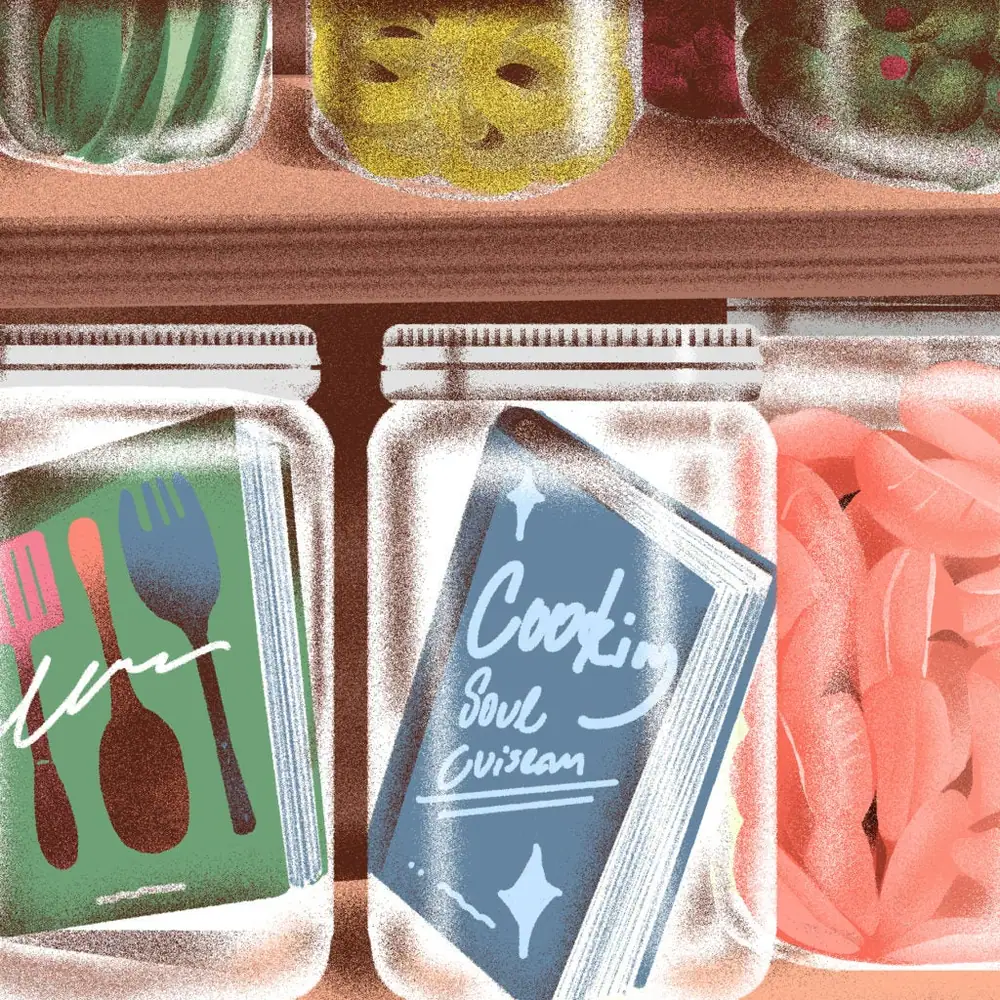
What Soul and especially Between Harlem and Heaven have been able to do is to use the framework of the traditions—community, component focus, black culture, and the African diaspora—to create a fresh take on what a new soul-food identity could look like for the current era. They take the cookbook form and do in one book what it would take millions of dollars and a fickle dining public to achieve in the restaurant setting—and I wonder if the publishing world isn’t where this cuisine will get its modern identity.
He already had a hit restaurant with Salare but decided to do what Miss Lewis did back in 1976 and create a personal culinary story that didn’t ask for permission but defined blackness without qualification. From the encyclopedia of culinary terms and dishes on his website to the work that goes into each dish, Jordan has made a restaurant that celebrates the black experience in American dining and indicates the country what the future could look like for black chefs.
The work they’re doing is creating the next level of preparation that has been 300 years in the making. I talk a lot about black foodways because in my opinion it’s a term that more accurately describes the depth of the contribution black chefs have made to American preparation than “soul food” is.
Our work is so ingrained in the fabric of this country, and to tell these stories is a kind of public trust. Today it is dozens of chefs all searching for the support to define what their contribution to the culinary world could look like.
- Who: Between Harlem