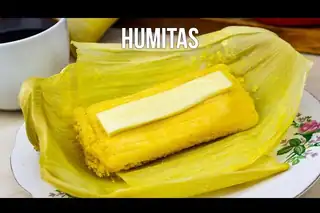
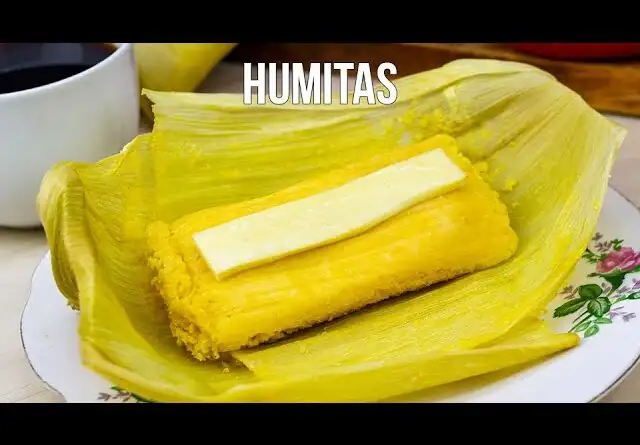
Ecuadorian humitas recipe: step by step to prepare this traditional dish
Discover how to prepare humitas in the Ecuadorian style
Ecuadorian humitas are one of the most emblematic and representative dishes of Andean cuisine. Although Peru also has humitas, the Ecuadorian version has its own unique characteristics that make it delicious. If you're interested in learning how to prepare this traditional delicacy, here's a detailed step-by-step guide so you can enjoy a dish full of flavor, history, and tradition at home.
Before we delve into the preparation, it's essential to understand that humitas are made primarily with freshly ground corn, mixed with ingredients that provide texture and flavor. Unlike other versions, Ecuadorian humitas tend to be softer and slightly sweet, making them an excellent choice for both lunch and a snack.
Essential ingredients for preparing Ecuadorian-style humitas
To achieve an authentic result, fresh, high-quality ingredients are essential. Below are the items you'll need to prepare this traditional recipe:
- Salt to taste
Step-by-step preparation for Ecuadorian humitas
The process of preparing this traditional recipe requires patience and dedication to achieve its characteristic texture and flavor. Below, we explain in detail how to do it:
1. Prepare the corn dough: The first step is to remove the kernels from the fresh corn. If you have corn on the cob, remove the kernels carefully to avoid losing too many. Then, place the kernels in a blender or food processor and blend until you obtain a smooth dough, but not completely liquid. The texture should be creamy with small pieces to provide consistency.
2. Incorporate the remaining ingredients: Once the dough is ready, transfer it to a large bowl. Add the finely chopped onion, melted butter, crumbled fresh cheese, and a pinch of salt. You can also add sugar to taste to enhance the natural sweetness of the corn. For a special touch, add a pinch of ground cumin and a little annatto, which will give it a vibrant yellow color and a unique flavor.
3. Mix until combined: It's important to mix all the ingredients with your hands or a wooden spoon until they are well combined. If the dough is too thick, you can add a little milk for a creamier, easier-to-handle texture.
4. Prepare the corn husks: The husks should be clean and flexible so you can wrap the dough without them tearing. If the husks are very dry, soak them in hot water for a few minutes to soften them. Then, dry them slightly before using them.
5. Assemble the humitas: Take a corn husk and place a generous portion of the prepared dough in the center. Then, carefully fold the husk, first the sides and then the ends, forming a closed package that keeps the dough inside.
6. Steaming: In a pot of boiling water, place a steaming rack or basket. Position the humitas so they are not in direct contact with the water. Cover the pot and cook for approximately 45 minutes to an hour, until the dough is firm and cooked through.
Once cooked, carefully remove the humitas and let them rest for a few minutes before serving. This dish is best enjoyed hot and accompanied by a cup of coffee or a traditional Andean beverage.
Variations and tips to perfect this preparation
While the traditional recipe is delicious, there are some variations you can try to adapt the humitas to your personal tastes or to give them a special touch:
- Add chili pepper or chopped bell pepper: For those who enjoy a slightly spicier flavor, incorporating fresh chili pepper or finely chopped red bell pepper can give it an interesting twist.
- Include aromatic herbs: Using herbs like cilantro or parsley can add freshness and complexity to the flavor.
- Use different types of cheese: Experimenting with more mature or strong-flavored cheeses, such as salty coastal cheese, can intensify the flavor of the filling.
- Preparing sweet humitas: In some regions, humitas are made with more sugar and served as a dessert, accompanied by honey or jam.
The cultural and gastronomic value of Andean humitas
Beyond being a delicious dish, humitas represent a direct link to the land and the ancestral traditions of the Andean peoples. Corn is a sacred food that has accompanied indigenous communities for centuries, and its preparation in the form of humitas is a sign of respect and celebration of this heritage.
In Ecuador, humitas are eaten at various festivities and family gatherings, serving as a symbol of unity and cultural identity. In Peru, although the recipe varies, the essence remains the same: a tribute to the biodiversity and culinary richness of our region.
Why choose this dish for your family menu?
Including humitas in your menu is not only a nutritious option, but also a way to connect with the traditions that link us to our roots. This dish is rich in complex carbohydrates, fiber, and protein from the corn and cheese, making it a balanced and satisfying meal.
Furthermore, preparing humitas is an excellent opportunity to share moments with family or friends, as the process of assembling them is usually a fun and collaborative activity. There's nothing more rewarding than enjoying a dish together that has been prepared with love and care.
Tips for storing and reheating humitas
If you have leftover humitas or want to prepare them in advance, here are some tips to maintain their flavor and texture:
- Storage: Store the humitas in an airtight container in the refrigerator for up to 3 days.
- Reheating: To reheat, it's best to steam them again, as this retains moisture and prevents them from drying out. Avoid using a microwave to prevent altering the texture.
- Freezing: You can freeze the humitas wrapped in their leaves, but it is recommended to consume them within a month to ensure their freshness.
Ecuadorian humitas and their relationship with Peruvian gastronomy
In Peru, humitas are also a traditional dish, but they differ significantly in ingredients and preparation. While Ecuadorian humitas tend to be sweeter and creamier, Peruvian humitas are usually saltier and are served with various sauces or meats.
Learning about and preparing Ecuadorian humitas in Peru is a wonderful way to expand your culinary repertoire and appreciate the cultural diversity of our Andean region. The fusion of flavors and techniques enriches the gastronomic experience and invites us to value the shared roots between neighboring countries.
Frequently asked questions about preparing and enjoying humitas
Can you use dried corn to make humitas? It's not recommended, as the corn must be fresh to achieve the characteristic creamy texture. Dried corn completely changes the consistency and flavor.
What if I can't find corn husks? If you don't have any husks, you can use aluminum foil to wrap the dough, although this slightly alters the traditional experience.
Can I make humitas without cheese? Yes, although cheese adds creaminess and flavor, some versions are made only with corn and butter, ideal for those who prefer vegetarian or dairy-free options.
Finally, encouraging you to prepare this recipe is an invitation to enjoy the culinary richness of the Andean region and share unforgettable moments around the table. Let's get started and enjoy!