Easy and authentic Argentine Creole sauce recipe to accompany your dishes
Discover how to prepare an authentic Argentine Creole sauce easily and deliciously
Argentine salsa criolla is a traditional accompaniment that's a staple on many South American tables, especially when it comes to enhancing the flavor of meats, fish, or even roasted vegetables. In Peru, where gastronomy is a passion, adding this sauce to your culinary repertoire will allow you to offer a unique and delicious touch to your dishes.
This fresh and colorful dressing stands out for its simplicity and versatility, and the best part is that it's quick to make and doesn't require complicated or expensive ingredients. If you've ever wondered how to make a criolla sauce that captures the authentic essence of Argentina, you've come to the right place.
What is salsa criolla and why is it so popular?
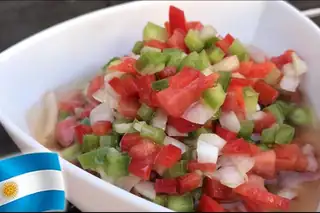
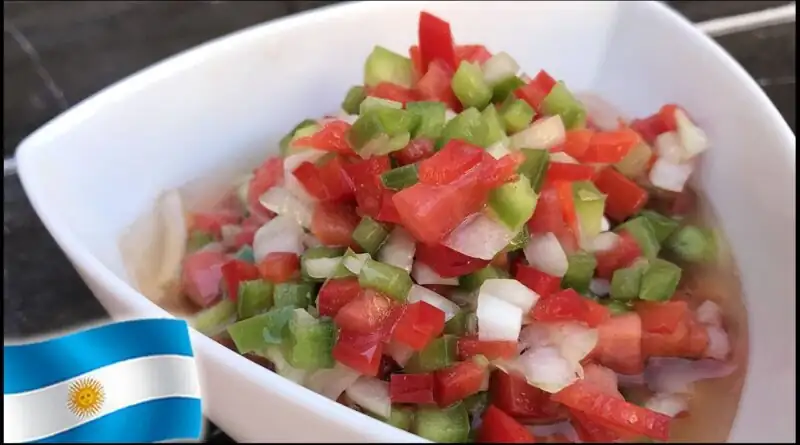
Salsa criolla is a cold condiment that combines fresh ingredients such as onion, tomato, bell pepper, and vinegar, all finely chopped and blended to create a juicy and flavorful mixture. It is especially popular in Argentina, Uruguay, and some regions of Peru, where it is used to accompany everything from a juicy ribeye steak to a delicious grilled fish.
Its popularity lies in its ability to add a refreshing, acidic contrast to dishes that are often heavy or fatty. Furthermore, its simple preparation allows anyone, even those without much cooking experience, to enjoy a traditional flavor without any fuss.
Key ingredients for an authentic and easy Creole sauce
To achieve a Creole sauce with that characteristic flavor you're looking for, it's essential to select fresh, high-quality ingredients. The main components are:
- Red onion: adds a crunchy texture and a slightly sweet touch when left to rest in vinegar.
- Ripe tomato: preferably without seeds to avoid excess liquid and achieve a more consistent sauce.
- Red or green bell pepper: gives a mild flavor and a vibrant color that makes the sauce visually appealing.
- Red or white wine vinegar: essential to give it that acidic touch and preserve the ingredients.
- Olive oil: helps to blend the flavors and adds smoothness.
- Salt and pepper: to highlight the natural flavors of each ingredient.
- Optional: a little chopped parsley or cilantro, hot chili pepper for those who enjoy the spice, and lemon for extra freshness.
Step-by-step preparation for a traditional Argentine Creole sauce
Making this sauce isn't complicated, but it does require attention to detail for a perfect result. Here's how to do it step by step:
1. Chop the vegetables: Start by peeling and finely chopping the red onion. It's a good idea to soak it in water with a little salt or vinegar for 10 minutes to soften its strong flavor. Next, dice the tomatoes, being careful to remove the seeds to prevent the sauce from becoming watery. Finally, slice the bell pepper into thin strips or dice it, according to your preference.
2. Mix the ingredients: In a large bowl, combine the onion, tomato, and bell pepper. Gradually add the vinegar and olive oil while gently mixing so that all the flavors blend well.
3. Season: Season with salt and pepper to taste. If desired, add fresh herbs such as chopped parsley or cilantro for extra aroma. You can also add a few drops of lemon juice to enhance the freshness.
4. Let it rest: To allow the flavors to develop and blend properly, it's best to leave the sauce in the refrigerator for at least 30 minutes before serving. This will soften the onion and allow the vinegar to meld with the other ingredients, achieving a perfect balance between acidity and sweetness.
With these steps, you'll have a homemade, fresh, and authentic Creole sauce, ready to accompany any dish you want to enhance.
What dishes can you serve with this traditional sauce?
The versatility of this preparation makes it an ideal accompaniment to a wide variety of recipes. In Peru, where the cuisine is so diverse, salsa criolla can complement both local and international dishes. Some ways to enjoy it include:
- Roasts and grills: red meats such as steak, sirloin or chorizo are spectacular with this fresh dressing.
- Grilled or pan-fried fish: the contrast between the acidic sauce and the mild fish is delicious.
- Dishes with rice: you can add a spoonful to give more flavor to preparations such as chicken and rice or covered rice.
- Empanadas: Serve the sauce as a dip for Argentinian or Peruvian empanadas, creating a flavor pairing.
- Salads and sandwiches: use it as a fresh topping for sandwiches or to give a twist to traditional salads.
Tips for adapting Creole sauce to your taste and region
One of the great advantages of this sauce is that you can easily customize it to your liking or whatever you have on hand at home. For example, in Peru, where spicy flavors are highly valued, you can add some chopped ají limo or rocoto peppers to give it a spicy kick that will perfectly complement the freshness of the other ingredients.
If you prefer a sweeter version, try adding a little sugar or honey to the vinegar to balance the acidity. You can also experiment with different types of vinegar, such as apple cider vinegar or balsamic vinegar, to vary the flavor profile.
For those looking for a lighter option, replacing olive oil with a little lemon or orange juice can be an excellent alternative that will maintain freshness without adding fats.
Importance of this preparation in South American and Peruvian gastronomy
Salsa criolla is not only a delicious accompaniment, but it also represents a cultural bridge between South American countries. In Peru, although Peruvian Creole cuisine is different, this sauce brings a fresh and distinct element that can be easily integrated into everyday meals.
Adding this dish to your culinary repertoire not only diversifies your options but also connects you with the region's rich gastronomy, fostering creativity and the fusion of flavors. Furthermore, its simplicity makes it ideal for those who enjoy cooking but don't want to spend hours in the kitchen.
Where can you get the best ingredients for your sauce?
In Peru, you can find all the necessary ingredients at local markets and supermarkets. Red onions and fresh tomatoes are readily available year-round, especially at farmers' markets. For vinegar and olive oil, it's advisable to choose good quality brands to ensure the best flavor.
If you're looking for a special touch, some gourmet shops offer artisanal vinegars and imported olive oils that can elevate your salsa to another level. Don't forget that the freshness of the vegetables is key to achieving that vibrant and authentic flavor.
Exploring variations and creative uses of this traditional sauce
Beyond the classic recipe, there are many ways to adapt this sauce for different occasions and tastes. Some interesting ideas for innovating with this preparation include:
- Creole sauce with fruit: add chopped mango or pineapple for a sweet and tropical contrast.
- Vegan version: serve with roasted vegetables or as a dressing for legume salads.
- With aromatic herbs: include basil, mint or coriander for a more complex flavor profile.
- As a topping on tacos or arepas: fusing Argentine cuisine with dishes from other regions.
These variations allow Creole sauce to not only be a side dish, but to become a main element on your table, capable of surprising and delighting your guests.
Recommendations for storing and serving the sauce
To maintain the freshness and flavor of this preparation, it is essential to store it in an airtight container in the refrigerator. It is recommended to consume it within 2 to 3 days to prevent the ingredients from losing texture or fermenting.
Before serving, you can take it out of the refrigerator for a few minutes so it's not too cold and the flavors can develop more fully. Also, gently stirring it before serving helps redistribute the liquids and spices.
This sauce is ideal for serving at family gatherings, barbecues, or special lunches, where the fresh and acidic touch will be the perfect complement to your main dishes.