Dopamine on the plate: how certain ingredients affect us
There are flavors that trigger an immediate experience. At the intersection of gastronomy and neuroscience, we now know that certain ingredients not only affect our senses, but also the brain's reward system. But what does this actually mean on the plate?
Dietitians say these foods can play a complementary role in supporting mental well-being – alongside regular exercise, adequate sleep and stress management. So “dopamine foods” are not panaceas, but rather part of a balanced lifestyle.
How does a bite turn into dopamine?
Dopamine is a key neurotransmitter in the brain that plays a role in motivation, learning, and the reward system. It's not just a "happy hormone": it's a chemical messenger for anticipation and reward. Even the thought of food can activate this system, as the brain prepares for potential rewards.
However, it is important to distinguish between immediate pleasure and long-term effects. Highly processed foods high in sugar and fat may trigger an intense reward response in the short term, but regular consumption can modify the sensitivity of this system over time.
One of the precursors of dopamine is tyrosine.
The production of dopamine is a multi-step biochemical process, one of the starting points of which is the amino acid tyrosine. This is partly produced by the body itself and partly consumed through food. The process also requires the presence of vitamins and minerals.
Diet can help provide the raw materials needed for dopamine production, but the brain's chemical balance is a complex system that depends on many lifestyle and individual factors.
Which foods can support the processes necessary for dopamine synthesis?
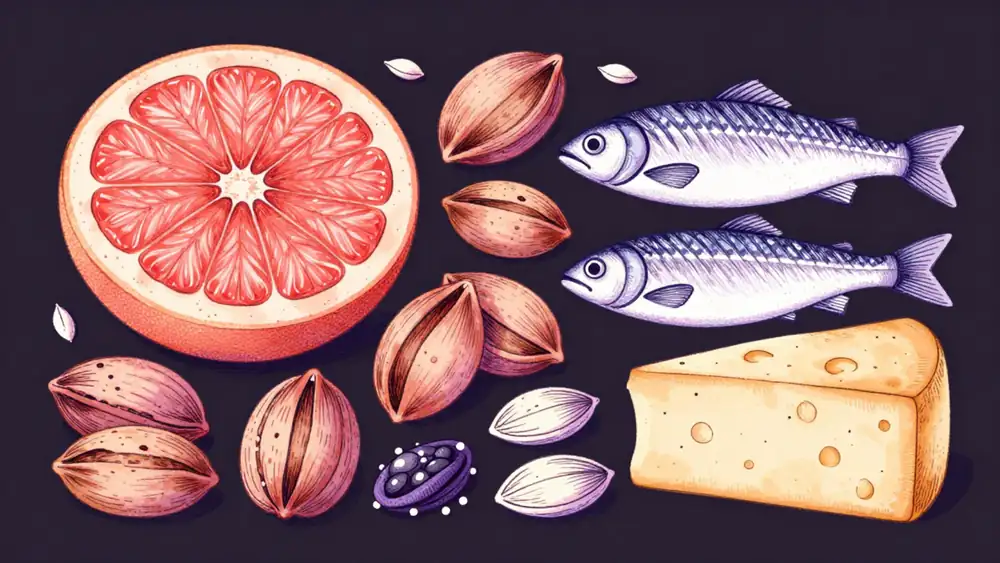
Foods rich in tyrosine and phenylalanine are widely found in the daily diet. These include meat, fish, eggs and mature cheeses, as well as legumes, soy-based products and oilseeds.
It is important to emphasize that the fact that a food contains dopamine precursors does not mean that it directly increases dopamine levels in the brain. The brain's chemical processes are tightly regulated and are influenced by many factors, including hormonal status, stress, and sleep quality.
"Dopamine foods" are therefore not magic bullets, but ingredients that can support the functioning of the body as part of a conscious diet - while also providing a culinary experience.