Sharing Brussels Sprouts – Chef Tips from Decorative “Saucer” to Starring
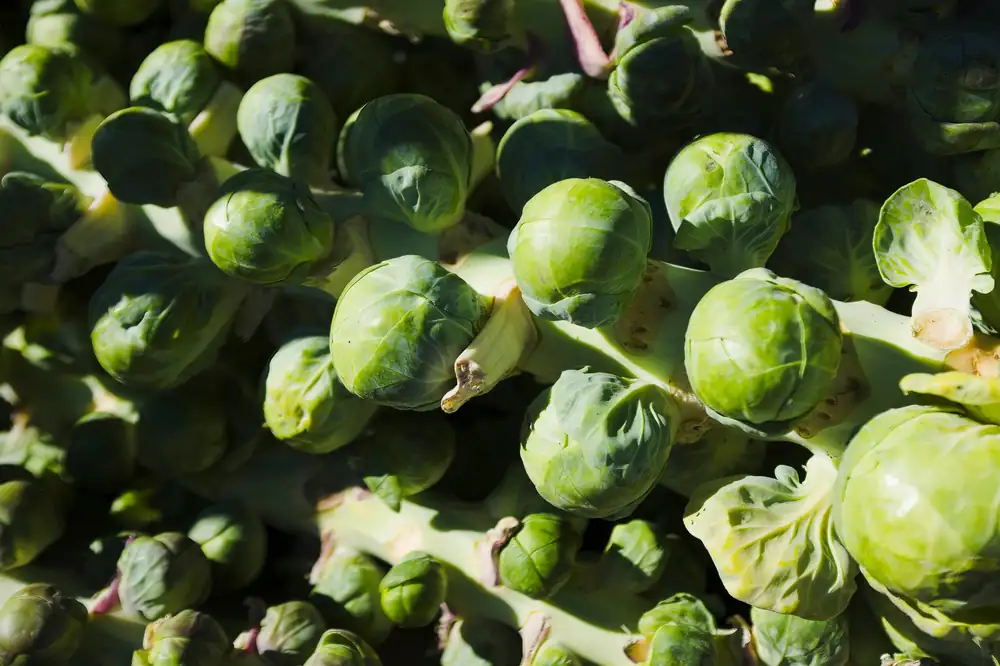
Brussels sprouts, which belong to the cabbage family and have excellent frost tolerance, are a truly valuable ingredient not only in winter, but also in early spring, when the changeable weather can be helpful with some extra health support.
We get vitamins A, B1, B2, B6, C, E and K, as well as manganese, iron, phosphorus, magnesium, potassium and even omega-3 fatty acids when we eat Brussels sprouts. Since we are talking about a true “love/dislike” vegetable, it is worth relying on a few tips to love it not only for its vitamin content but also for its taste, and to prepare and eat it more often!
One such practice is that it should not be heated for a long time and that it is worth cooking without a lid. You can try it with other seasonal vegetables, with panisse (a southern French chickpea delicacy), served with aïoli sauce, or with shrimp, ginger and pomegranate.
In what form can it be served on the table, how should it be prepared, how does it work with acidic elements, and how can we fool it when interpreting it as a casserole? I asked Bencé Molnár, Péter Pataky, and Gabriella Szikra about the Brussels sprouts idea library.
Which dishes would you recommend using Brussels sprouts for? Beyond traditional Hungarian preparations, in what form do you see the greatest potential?
Bence Molnár: I would recommend it mostly with fish. It has great potential both in puree form and pickled. I could also imagine it as chips in a restaurant as an addition to a dish.
Péter Pataky: It is good for baking and roasting, as cabbages in general. Smoked bacon, any smoky, strong flavor is its friend, and we don't have to be too picky about pepper. It can be used to make a very exciting, low-carb side dish, a loyal companion for fatty meats, ribs, knuckles, ducks, geese, but it is also a good choice with steak. It can also stand up to being eaten on its own, baked with a cheesy béchamel sauce, or as a fantastic dish with Brussels sprouts. It can also be baked in the oven mixed with winter root vegetables for a characterful green side dish, and its younger leaves can be used for decoration or in salads.
Gabriella Szikra: Brussels sprouts are a very divisive vegetable. I think they are delicious and can be used beautifully as a decoration. I use them to make stews, casseroles, and various side dishes. They look great on a plate as a little “saucer,” and I usually fill them with some green oil and mustard seeds.
When we bake Brussels sprouts, cheese goes really well with them. I always add two kinds, blue cheese and the very pleasant taleggio cheese, I like to combine them. Like Brussels sprouts, blue cheese is also a sharing dish, but I often push the boundaries and try to show the ingredients from a different side to my guests, and they are encouraged to try it.
How should we prepare it to get the most out of it? Is there a special technique or recipe you would like to share?
Bence Molnár: It should be cooked whole, but before that it is worth removing the less beautiful leaves from the outside. After cooking, it can be used as a side dish, as a puree, or even in dried form (as chips), or fried, as the main element of a salad (it is worth adding citrus flavors and seeds when preparing the salad).
Péter Pataky: Brussels sprouts, like all green vegetables, should first be blanched in hot salted water, then refreshed in ice water, so they retain their beautiful green color. They are also great as a cream soup, but in this case it is also worth blanching them first to preserve their wonderful color and freshness. I also use them in stews, in which case I make a small puree, which I season with butter stock, a little vinegar or lemon juice, and lots of herbs, then stir in the blanched, halved Brussels sprouts. In this case, a few nice green outer leaves look good on the plate as a decoration. You can add this to lighter meat dishes, or as a side dish to grilled cheese.
Gabriella Szikra: I always blanch Brussels sprouts, even if I want to use them in a casserole. For example, if I add them to a vegetable or meat soup, I only add them towards the end, as they shouldn't be cooked for too long, otherwise they won't taste good. I haven't made a cream soup out of them yet, but I'll try that soon. When I prepare them raw, as a salad, I usually cut them very thinly.
Are there other possibilities in Brussels sprouts that we haven't fully explored yet? How well does it work with sweet or sour elements, for example?
Bence Molnár: It can work well with citrus fruits or as pickled vegetables.
Péter Pataky: You can marinate it after baking, so it can even be used as a pickle, and you can caramelize it with a little brown sugar while frying to achieve an even more characteristic flavor, think of cabbage cvekedli! It also works well as a soup ingredient, you can even add it to broth or ragout soups, but be careful, because it has a very characteristic cabbage flavor, it can easily take the flavor of the broth towards cabbage!
Gabriella Szikra: We get a fresh flavor if we squeeze lime on it. Cut the Brussels sprouts into pieces, fry them briefly in butter, sprinkle with dried onions and seeds – walnuts and almonds also go well with it – and finally sprinkle with lime juice and grate some of the zest on top! You might have to be a bit of a Brussels sprout fan for this recipe, but it's worth trying.
How would you combine Brussels sprouts with other seasonal ingredients to create unique, spring dishes?
Bence Molnár: Grilled Brussels sprout salad with kohlrabi velouté, fresh tarragon and finger lime can be a truly spring-inducing dish, but it's also worth adding pine nuts.
Gabriella Szikra: I use it in a salad for a spring dish, sliced thinly, with iceberg lettuce, arugula, a simple mustard vinaigrette, fermented cabbage, and beet ribbons. The end result is an exciting, colorful, delicious salad – your guests will crave it! You can sprinkle it with blue cheese and walnuts, or even serve it with grilled cheese.
What is the technique that can make Brussels sprouts more lovable, even for those who previously avoided them or perhaps didn't like them?
Bence Molnár: To avoid bloating caused by consumption, it is advisable to cook without a lid. It is worth seasoning with thyme pepper or even cloves and salt and pepper or perhaps nutmeg during cooking.
Péter Pataky: The English also like to use it for their leftover side dish called "bubble and squeak", where they crush and fry leftover vegetables and oven-baked potatoes from Sunday lunch, giving new life to otherwise useless side dish elements.
Gabriella Szikra: Brussels sprouts are a divisive, “disadvantaged” ingredient, and in my experience, men tend to shy away from them the most. My practice is to come up with side dishes that subtly feature Brussels sprouts alongside a larger slice of meat – even game. I pick them on their leaves, blanch them, and then roll them in buttermilk to give them a pleasant taste. I add the aforementioned green oil (parsley, basil, dill, or toasted sesame oil) and pickled mustard seeds to the leaves. This is how I hid the Brussels sprouts, it’s a good little game, it works well – they taste it, and according to the feedback, it’s a fantastic experience!