From hibiscus to pumpkin blossom: 10 edible flowers worth knowing
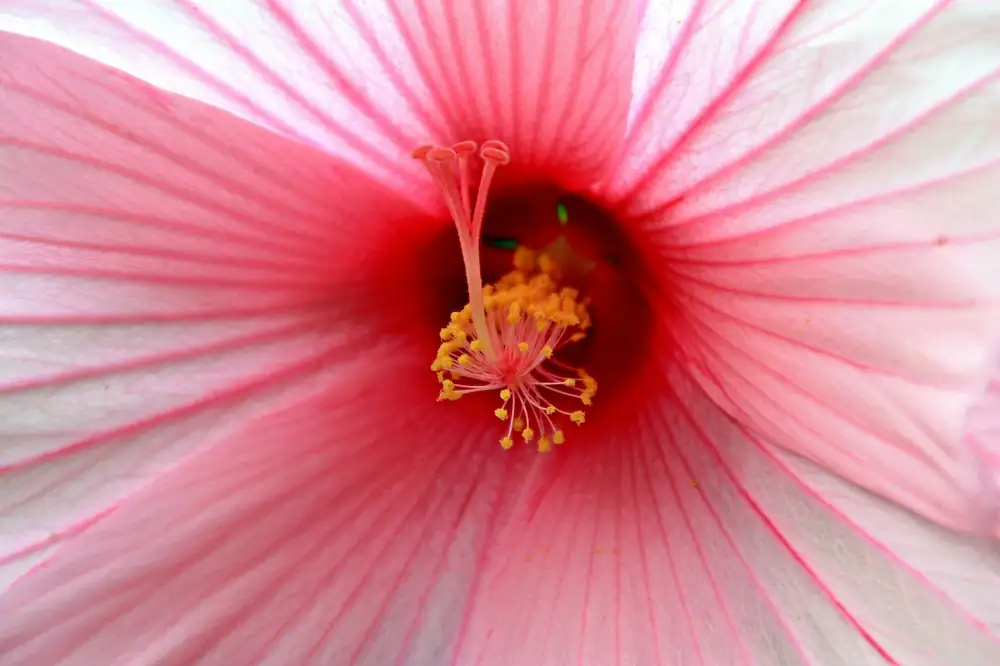
Hibiscus Hibiscus is particularly popular as an ingredient in teas and fruit desserts due to its tart, fruity flavor. Cold hibiscus tea, such as the Mexican “agua de jamaica,” is a refreshing drink that is flavored with lemon and sugar.
Violets Violets have a sweet, delicate, slightly minty flavor that is perfect for desserts. Sugared violet petals are popular decorations for cakes and bonbons, while violet liqueur and syrup are used in unique cocktails. In the Victorian era, violets were a symbol of romance and mystery, so they were often given as gifts or consumed on special occasions.
Jasmine Jasmine, often used to flavor fragrant green teas, also appears in special desserts and drinks with its sweet, delicate flavor. Lilac petals add a slightly bitter, floral aroma to salads and cakes, while they are also used as a syrup to flavor cocktails.
Chamomile With its slightly apple-like, soft aroma, chamomile is not only a soothing tea ingredient, but also a great flavoring for desserts such as puddings or ice cream. It was often used in ancient medicine to treat wounds, so it is not only delicious, but also useful.
Marigold Marigold is known as the “poor man’s saffron” with its slightly nutty, spicy flavor, as its dried petals add a bright yellow color and rich aroma to soups or rice dishes. Hibiscus, on the other hand, offers a tart, fruity flavor that is especially popular in teas, jellies, and fruit desserts. In Jamaica, for example, hibiscus tea is served cold as a refreshing drink.
Lavender Lavender is a favorite of Mediterranean cuisine, with its citrusy, floral flavor used to flavor special cakes, such as madeleines. In dried form, it is also added to spice blends, while its syrup can be used in teas, lemonades, or even a gin and tonic. Interestingly, the ancient Romans added lavender to their bath water, hence its name, which is Latin.
It comes from the word lavare, meaning "to wash".
Lilac Lilac petals have a slightly bitter yet aromatic flavor that is perfect for salads or cake decorations. They can also be made into a syrup, which adds a special, floral flavor to lemonades or cocktails. The unique purple hue of the lilac flower is often the highlight of spring tables, especially at weddings and festive occasions.
Rose The rose is one of the best-known edible flowers, adding a sweet, aromatic flavor to many foods and drinks. Middle Eastern sweets such as baklava or lokum are often made with rose water, and the petals are also used to decorate cakes. Lemonades and cocktails made with rose water also serve as elegant refreshments, while the flower's flavor is truly refined in jams and jellies.
Nasturtium Nasturtium, also known as nasturtium, is a colorful addition to fresh salads with its peppery, slightly spicy flavor, but its hollow flowers can be filled with cream cheese, for example, to make a delicious appetizer. Due to its rich vitamin C content, it was once used against scurvy.
Pumpkin flowers Finally, pumpkin flowers, with their soft, slightly sweet flavor, are a popular ingredient in Italian cuisine. Fiori di zucca stuffed with ricotta and then fried in oil is a real specialty, but we can also often find them in soups.