
The incorruptible critic
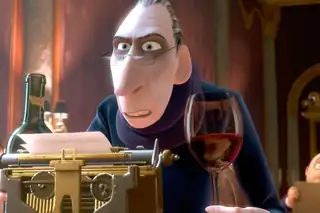
The ideal food critic has traditionally been one who analyzes what they eat with surgical precision, remains uninfluenced by outside opinions, and performs their role impartially.
That type of criticism is almost obsolete in the specialized press. Some lament this, or even see a threat in the new ways of describing food.
Because, let's face it: to what extent can someone be an impartial analyst? Every text involves a choice. From the moment they make the reservation until they walk out the door, the observer decides where to focus their gaze. To pretend that gaze is neutral is not only a fallacy, but it also masks a certain intellectual arrogance. Ultimately, it's a sophisticated way of looking down on others.
Writing without being swept away by emotion is possible. The archives are full of supposedly clinical texts, detailed enumerations of dishes and preparations that lead to a final verdict. Judgments handed down from a vantage point, often without any curiosity about the people who cook and serve. More concerned with displaying their opinion than with providing context. When criticism focuses too much on itself, the restaurant usually disappears from the narrative.
Instead of entrenching itself in that aristocratic pose of yesteryear, food writing should perhaps relinquish its role as a tribunal. What is still seen as a flaw—involvement, empathy—may well be its greatest virtue. It should accept that its role is not so much to judge as to tell worthwhile stories to an audience—one that is increasingly interested in food.
Criticism that prides itself on objectivity can be rigorous, even brilliant, but it rarely manages to paint a memorable portrait. Like a tasting note that describes the wine but fails to capture the experience. Or worse, like an autopsy: accurate, cold, and frankly boring.