Stop scraping the knife against the cutting board, even when transferring food.
Cutting, chopping, and slicing depend on the quality of the knife, and scraping the board with the blade is one of the habits that damages it the most.
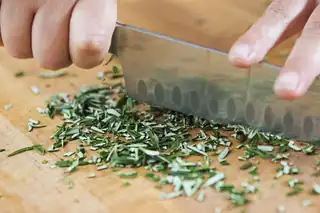
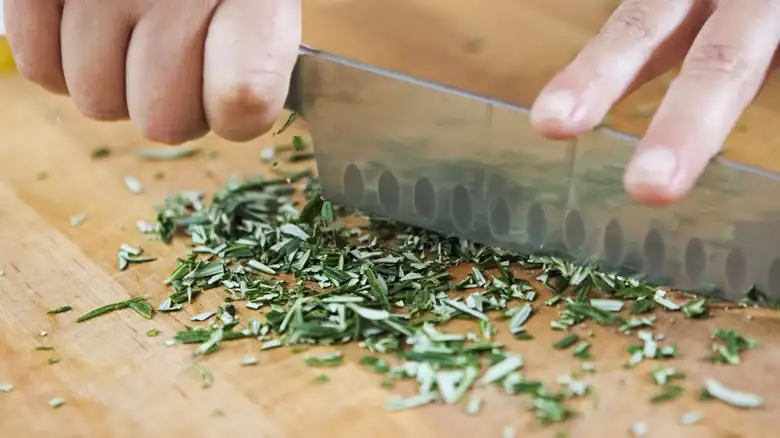
Cutting, chopping, dicing, and slicing—essentially all ingredient preparation—depends on the quality of the knife. Since preparation is key to good cooking, a good knife is one of the most important tools in any kitchen.
For a knife to remain good, it must be sharp, and to achieve that, you must avoid anything that damages it. Scraping is one such habit: removing scraps from the cutting board or sliding the blade under ingredients to transfer them to the pan seems harmless, but it damages the edge.
The sideways motion misaligns the blade, because knives are designed to cut back and forth. Over time, the blade loses its edge. If you can't resist the temptation, use the back of the knife, the blunt side, or a bench scraper.
To care for it, hand wash it with dish soap and warm water, and don't put it in the dishwasher, as the metal is delicate. Washing it frequently is also important, since food acids can corrode the blade.
The sharpening rod doesn't sharpen the knife, but it realigns the edge that scraping has dulled. You can use it before each use to ensure your knife performs at its best.