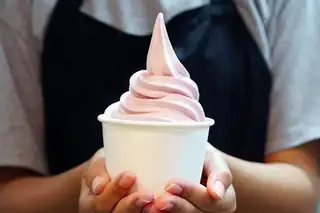

The frozen yogurt you're eating might not be real yogurt.
In the United States, most frozen yogurts are more like frozen milk than yogurt, and there is no guarantee that they retain live cultures.
“Most of the live bacterial cultures survive freezing, [but] varying production methods and added ingredients mean all frozen yogurt products are not created equal.”
Frozen yogurt isn't regulated like traditional yogurt. The FDA requires traditional yogurt to have a label indicating the presence of live and active cultures, while frozen yogurt operates in a legal gray area. Therefore, there's no guarantee that your favorite frozen yogurt contains the same beneficial bacteria as its non-frozen counterpart.
Green Chef dietitian Gabby Geerts explained to Women's Health, "Frozen yogurt is made like refrigerated yogurt, by adding two essential live cultures (Lactobacillus bulgaricus and Streptococcus thermophilus) to milk." She noted that "most live bacterial cultures survive freezing, but different production methods and added ingredients mean that not all frozen yogurts are created equal."
In many frozen yogurts, only 10% of the mixture is plain yogurt, with the remaining 90% being frozen milk. Some are made with 100% plain yogurt, but you're almost guaranteed to find stabilizers and emulsifiers in most low-fat varieties, which manufacturers use to achieve the desired texture and shelf life.
Ice cream typically contains a lot of dairy fat or cream, with a high saturated fat content. Frozen yogurt, on the other hand, is made by fermenting milk with yogurt cultures and is a refreshing, slightly acidic dessert with less fat and fewer calories. Those looking for a lighter dessert should therefore read the labels.
To verify that frozen yogurt is authentic, check the ingredient list and look for the mention of "live and active cultures." These are the bacteria that give yogurt its tangy flavor and are associated with numerous health benefits, from digestion to the immune system.
If you're looking for an alternative, the registered dietitian recommends Greek yogurt bars instead of ice cream: "Made with Greek yogurt, these bars are creamy and high in protein," she told Women's Health. Plus, with single-serving portions, it's easy to enjoy a sweet treat without overindulging. Another option is to make homemade popsicles with leftover vanilla Greek yogurt, sea salt, and honey, topped with fresh berries or frozen fruit.







