El aceite puede hacer que las sartenes antiadherentes duren mucho más
Las sartenes antiadherentes son fáciles de limpiar, pero su revestimiento de teflón se desgasta con el uso, y el aceite ayuda a protegerlo.
One of the advantages of cooking with a non-stick pan is how easy it is to clean, because the coating prevents food from sticking and, generally, less oil is needed. Even so, it's worth taking care of it. Although oil isn't essential to prevent food from sticking, it helps prolong the pan's lifespan and should always be added when cooking with it.
Even the best non-stick pans typically last only three and a half years before the Teflon coating wears down. This wear is gradual, and by the time it becomes noticeable, removing food residue becomes difficult. Adding oil creates a protective barrier that extends the pan's lifespan.
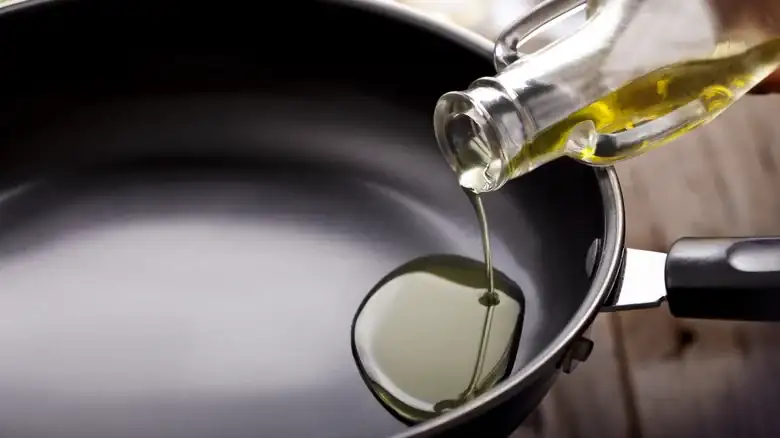
It's best to add the oil before turning on the heat. While heating the pan before adding the oil is generally a good rule, with non-stick pans the opposite is true: when heated with the oil, their properties are enhanced. You can spread a thin layer by pouring a little oil and spreading it, or use kitchen paper to make it even thinner.
Choosing the right oil is important. Cooking sprays leave behind residue that builds up on the surface; scrubbing them off can scratch the coating. It's better to opt for something richer: butter is a good choice, and oils with a high smoke point are even better because they're less likely to burn. Peanut, canola, and coconut oils also work.
Spreading butter or oil on a pan before cooking creates an extra protective layer. A grilled cheese sandwich with butter, for example, protects the pan and tastes delicious. Oil doesn't always prevent food from sticking, but it's essential for maintaining the integrity of the non-stick surface.







