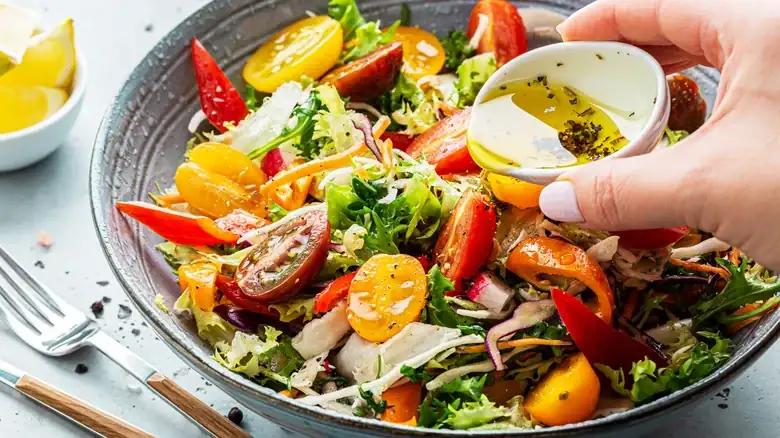
When preparing a salad, less is more.
A salad with a few well-chosen ingredients is usually more pleasant than a chaotic mix of everything on the bar.
Salads offer endless combinations, allowing for a truly personalized experience. However, simply throwing together everything from a salad bar or the fridge often results in an unsatisfying meal. The fewer ingredients, the better they blend together.
Chef and restaurant owner Yehuda Sichel told Food & Wine, "When I make a salad, I like to tell a story." He recommends choosing ingredients carefully, because overdoing it can ruin the flavor and texture. It's best to focus on a theme and prioritize quality over quantity, using herbs, spices, and crunchy toppings.
Dietitian Laura Jeffers, from the Cleveland Clinic, proposes a simple order: a base of lettuce or other leafy greens, such as spinach, arugula, or kale; a crunchy and nutritious touch with vegetables, seeds, or nuts; proteins such as legumes, tofu, chicken, hard-boiled egg, or cheese; fruit or other ingredients such as sweet potato or olives, if they combine well; and, finally, a dressing.
Matt Preston, former judge on "MasterChef Australia," suggests simplifying by choosing one main ingredient and adding others that complement it. He also recommends combining contrasting flavors and textures, such as sweet and sour.
Some simple combinations show how it works. A peach, arugula, and goat cheese salad combines sweet and savory, with hazelnuts and cherry tomatoes, and a light dressing of champagne vinegar, olive oil, and tarragon. Leafy greens aren't necessary either: a radish salad with mint and pistachios is light and quick, with mint leaves adding freshness and toasted pistachios providing a nutty flavor.
For a classic salad with few ingredients, Gordon Ramsay suggests his Caesar salad. Its creamy dressing includes homemade mayonnaise, anchovies, minced garlic, grated Parmesan cheese, and lemon juice. The salad itself consists of romaine lettuce, croutons, Parmesan cheese, and chicken breast.







