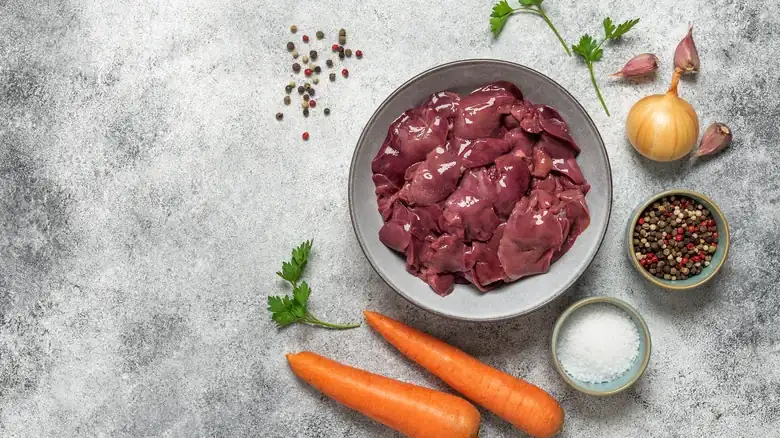
Soaking liver in milk reduces its bitterness and softens it.
Many people reject liver because of its bitter taste and chewy texture, but soaking it in milk for about an hour softens it.
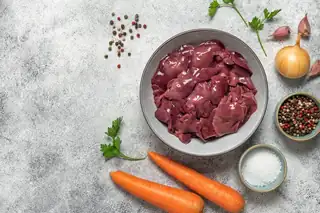
Liver is a food that often provokes aversion. Some find its bitter taste and chewy texture unpleasant, while others appreciate its complexity and earthy flavor. It's an underrated cut of meat, rich in essential nutrients: a single serving can cover a large portion of your daily vitamin and mineral requirements. When cooked properly, it becomes soft and tender, almost melting in your mouth.
To mask its bitterness, the trick is milk. Soaking the liver in milk, or buttermilk, for about an hour not only neutralizes the bitterness but also improves the texture. It's best not to overdo it: more than two hours can make it too soft. Milk naturally contains lactic acid, which helps reduce microbial contamination and improve the flavor.
Acid marinades tenderize meat by altering the structure of its proteins, a process called denaturation. Lactic acid is milder than the acid in vinegar or lemon marinades, so it takes longer to work. This prevents the liver from becoming too tough or too soft and helps retain its moisture. The method may slightly alter the color, but not the flavor, and it's best to use plenty of milk to completely cover each piece.
After soaking, the liver is patted dry with paper towels, seasoned, and cooked to your liking. One option is to coat it in flour and fry it until golden brown. Another is to cut it into small pieces, thread them onto skewers, and grill them.