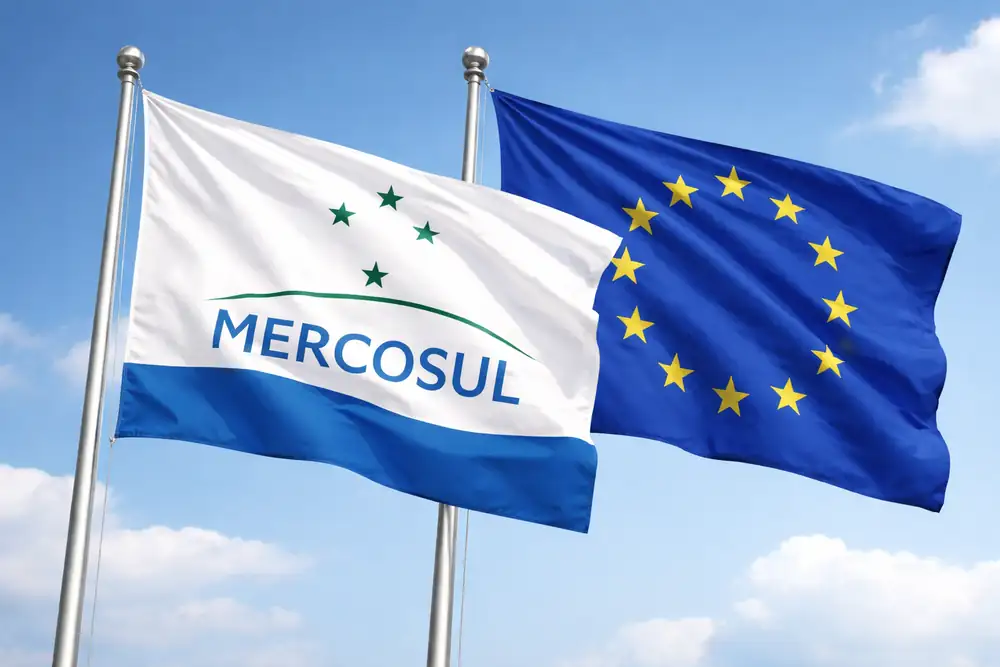
The Mercosur-EU agreement should stimulate investments in the coffee industry in Brazil
According to Cecafé, the treaty also qualifies the country for bilateral agreements; the sector is monitoring negotiations with Canada and Asian countries.
The confirmation of the agreement between Mercosur and the European Union is likely to primarily benefit Brazilian processed coffee, since green coffee is not subject to tariffs when entering the European bloc. “With the confirmation of the treaty, Brazilian soluble and processed coffees will see an annual reduction in the tariffs they currently receive until they reach zero in four years,” Marcos Matos, director-general of the Brazilian Coffee Exporters Council (Cecafé), told Espresso.
According to him, the measure will allow the country to increase its competitiveness in the European Union, "probably increasing its shipments of these products to the bloc." Matos also highlights the effect on investments and regional development. "Another factor that will be relevant is the potential increase in investments in the processed coffee industries in Brazil," he says.
According to the director of Cecafé, the agreement also qualifies the country for new trade negotiations. "In a way, this acceptance of the Brazilian government's actions can be understood as a qualification for future agreements, as if we had moved up a level," he states. He adds that the sector is following ongoing talks with Canada and Asian countries to expand the presence of Brazilian coffee in the global market.