Three Companies Have ‘Almost Complete Market Domination’ Of UK Poultry Supply
A new report has found that just three companies have “almost complete market domination” of the USD $160 billion UK poultry supply.
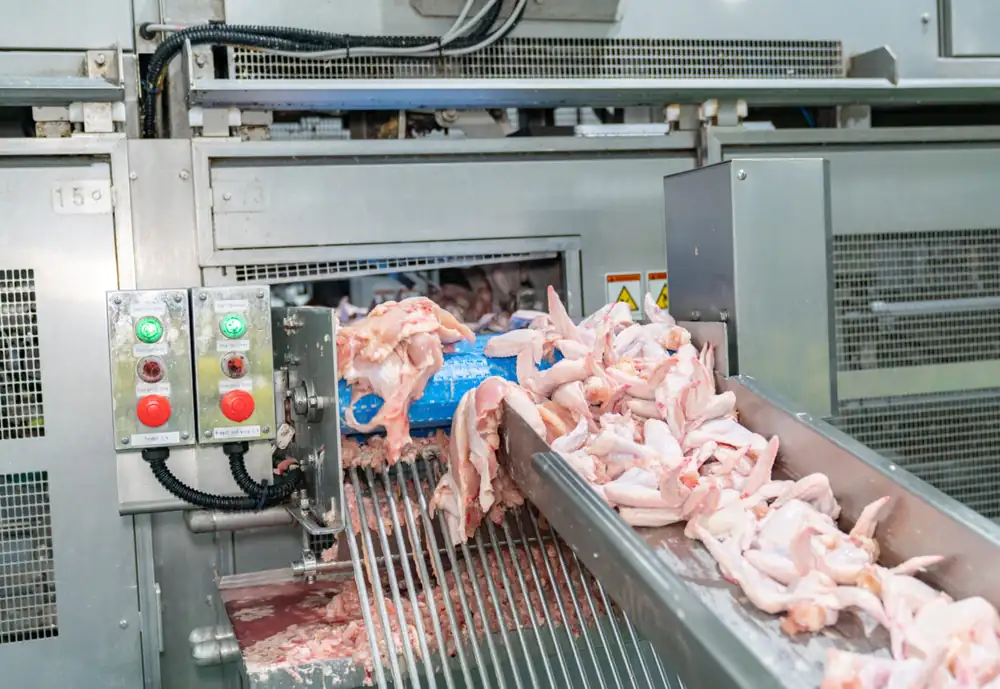
The report also found that just five companies account for approximately 60 percent of dairy processing turnover, and just eight companies control about 70 percent of the UK’s overall meat processing turnover. In addition to the monopolization of British meat and dairy by a handful of “meat tycoons,” the report found that seven companies control roughly half of Spain’s pork slaughtering businesses, and five account for nearly half of total dairy turnover. Meanwhile, in Italy, five companies control half the poultry, pig, and beef supply chain. The report noted that many of the companies are not just getting larger; they are also becoming more vertically integrated, which extends their influence even further. The report’s authors argued that this consolidation is directly linked to the growing number of Concentrated Animal Feeding Operations (CAFOs), or factory farms.
They described factory farming as “often accompanied by a catalogue of harms,” including pollution, reduced animal welfare , elevated zoonotic disease risk , antimicrobial resistance, and price squeezing, to name just a few. The AGtivist published “ Revealed: Europe’s new meat tycoons ,” in July, in association with Investigative Reporting Project Italy (IRPI ), La Marea , and Wicked Leeks . Researchers in three countries worked together to investigate and map the companies’ operations. The report was backed by Journalismfund Europe.
Megafarms, 11 million chickens, and a growing health crisis
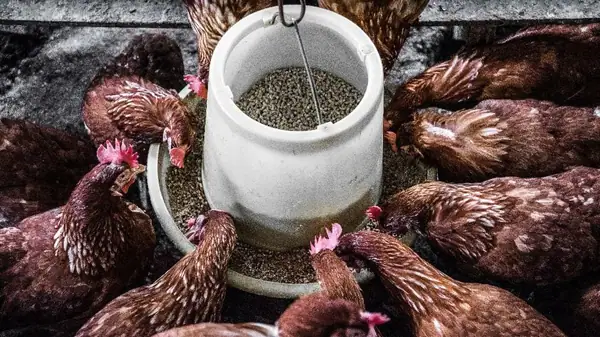
This time last year, a meat industry executive said that UK megafarms “ aren’t particularly big .” The UK’s 30 largest megafarms reportedly have the capacity for more than 11 million chickens and 145,000 pigs at any one time, plus cattle.
Ninety percent of all farmed animals are raised in CAFOs, and in May, a US study found that living near a factory farm is enough to “significantly” increase cancer risk. PBN runs a sponsored content model. To explore how you can get featured, please email [email protected] or visit everkinddigital.com
- Who: Concentrated Animal Feeding Operation
- Money: $160 billion
- Percentages: 60 percent · 70 percent
- Figures: 160 billion · 60 percent · 70 percent · 11 million