The Chinese cooking trick for tenderizing even the cheapest meat
It's often the case that you taste a Chinese dish, or Asian cuisine in general, and marvel not only at the incredible balance of flavors and the perfect use of various ingredients, but also at the texture of the meat: tender, juicy, and pleasantly silky. Sometimes, it's not just the quality of the meat that makes it st…
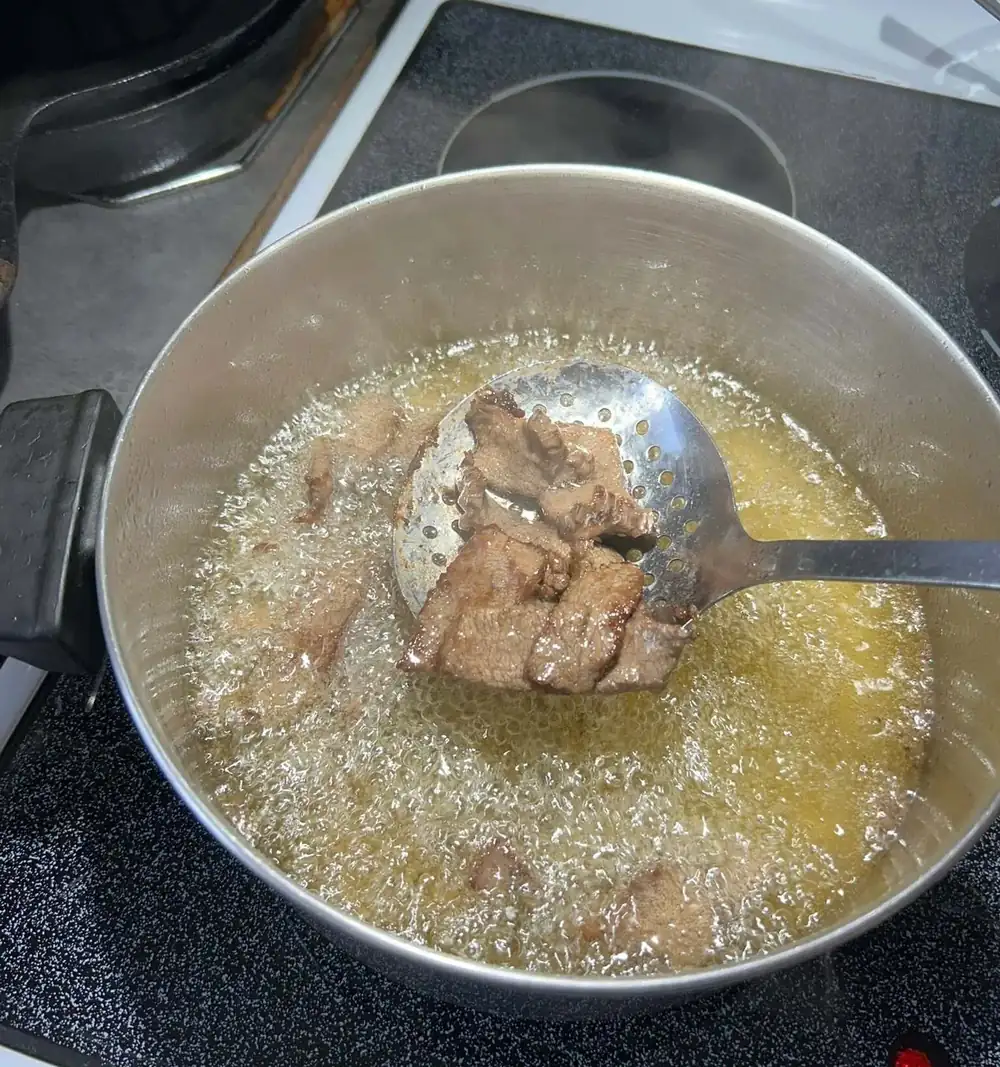
Another key difference is a technique called velveting, used especially in preparations where the meat is thinly sliced and cooked quickly. Velveting can be used with various proteins: not just meat, but also fish and seafood. The methods vary depending on the ingredient and the preparation.
Typically, small pieces of meat are used to increase the surface area in contact with the paste. The ingredients are simple, but the result is surprising.
Both the chemistry of the food and the way the meat is cut come into play in this process. Among the most commonly used ingredients are cornstarch, egg white, and water; in some preparations, oil and seasonings are also added, while for certain meats, especially beef, baking soda can also be used. However, there is no single, universal formula: velveting versions vary depending on the protein and the technique used.
Once coated, the meat can be briefly pre-cooked in hot water or oil before being finished in the wok with the other ingredients. This step allows the mixture to better adhere to the surface of the meat.
An important trick to the success of this technique also lies in the cutting of the meat: in many cases, it's cut against the grain, shortening the muscle fibers and making the bite easier to chew. However, this is only part of the result. The thin coating that forms around the meat also makes the difference.
Starch, when hydrated and exposed to heat, gelatinizes and helps create a smooth surface that protects the meat during cooking. It also helps retain moisture, keeping the meat juicier and more tender. One of the reasons meat can become dry and stringy is precisely the loss of water during cooking. As temperatures rise, muscle proteins change structure, and the meat tends to lose moisture.
Velveting intervenes precisely at this delicate moment: the surface coating and pre-cooking help limit moisture loss and, above all, allow for rapid completion of cooking in the wok. When baking soda is used, the mechanism is even different: the more alkaline environment alters the behavior of proteins and can increase the meat's ability to retain water.
It's a technique that must be used carefully, however: too much can compromise flavor and texture. Many types of meat are used in Chinese cuisine, and especially in preparations where the protein is thinly sliced and cooked quickly, velveting allows for a soft, silky texture even from cuts that aren't necessarily the most tender.
This doesn't mean, however, that the technique was invented simply to "save" cheap meat. Its primary purpose is to control the protein's texture during rapid cooking, preserving its juiciness and creating that distinctive smooth surface we recognize in many Asian dishes. It would probably be superfluous to apply it to an already extremely tender meat like a premium fillet.
But it's precisely when the chef needs to get the most out of an everyday ingredient that this technique shows its full effectiveness. A few ingredients, a few minutes, and precise control over cutting, heat, and timing: the result is meat that tastes almost different from the one it started with.
P.lva 06051141007
SDI Code: RWB54P8 Registration No. 94/2021 Court of Rome