Vegetable Broth for Korean Recipes
Vegetable broth recipe that works well as a substitute for anchovy or beef stock in Korean recipes! The flavor is mild but pleasantly earthy and every so slightly sweet.
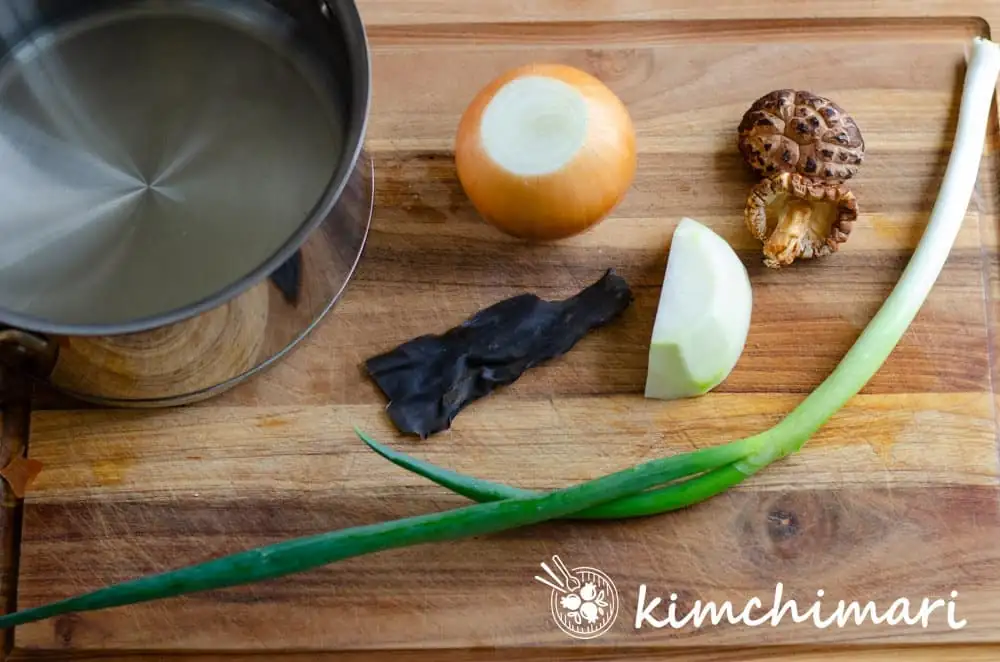
- 1 yellow onion
- 2-3 dried shitake mushrooms
- 1 Korean leek (Daepa) (Substitute 2 regular green onions)
- 2 oz Korean radish
- 1 piece Dasima (Kelp or Kombu)
- 10 cups water
- 1/4 green cabbage (optional - not in the picture)
- Onion - peel the outer layers of the onion, leaving just one or two of the clean inner layer of skin. Also cut off both ends of the onion with roots and top. You can, if you want, rinse the root part and use it too. I find it's kind of hard to rinse all the dirt off so I just cut it off.
- Radish - peel or clean the skin and cut into a smaller chunk that's about 2 oz
- Korean Leek - cut off roots (or clean them if you want) and peel away the dirty outer layer. If it's a long Daepa like in the picture, cut it into 2-3 pieces so it will fit in the pot. If using regular green onions, you can just cut in half.
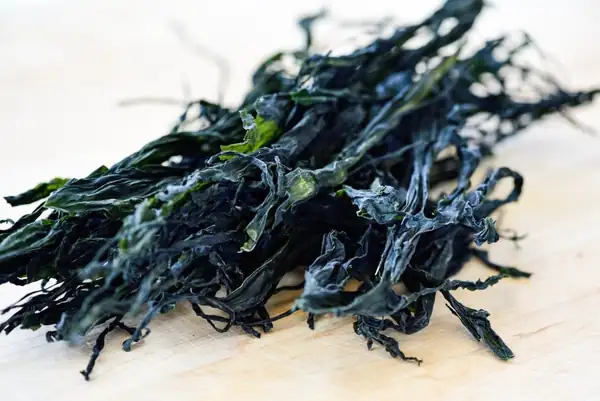
- Dried Dasima Kelp - if you have a big piece of dried kelp, break off a piece about the size of your palm or in my case a little narrower and longer.
- Shitake Mushrooms - my dried pyogo beoseot 표고버섯 is nice and big so I just used 2 but if you are using a smaller dried shitake mushrooms then use more. Rinse quickly under water to wash away any dust.
- In a pot, add water then add onion, radish, Korean leek, mushrooms and bring to boil. Cover partially with a lid.
- Simmer for 30 min. Then add the dried dasima kelp and simmer for another 10 min. Leave it uncovered for this part.
- Let the broth cool then transfer to a container and refrigerate for up to a week. Freeze it for longer storage.
Korean Vegetable Broth Recipe
Koreans love making stews and soups using different broths and most commonly anchovy stock, meat stock and seafood stock has been used.
But you can certainly use Vegetable Broth in any recipe so give it a try! You can use this vegetable broth pretty much in any recipe as a substitute for anchovy broth or beef broth – especially Korean stew and soup recipes. Use where you would normally use water too because it’s so light and has almost no sodium level.
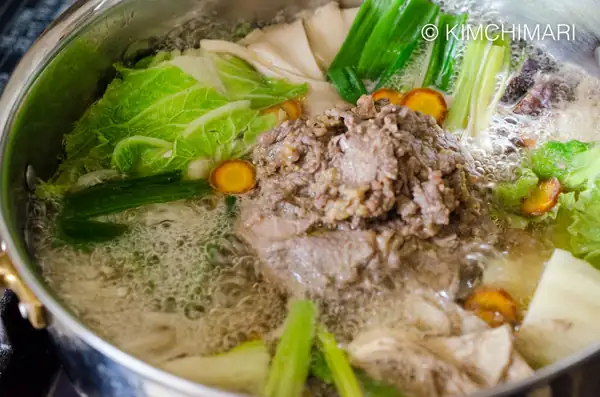
I recently made some Soft Tofu Stew and added this vegetable broth instead of plain water and it came out so flavorful and bright tasting! Because this broth is very clean and light tasting with hints of aromatic onion and mushroom and the very slight sweetness of the radish.
Add ONION SKINS for more clean flavor
So you will see in the pictures that I used a whole onion with the skin on. Also, I didn’t have any for this post but I normally like to use fresh or dried scallion roots.
Now, I know you may be concerned about pesticides in the roots or the skin so definitely use them ONLY if they are organic and if you feel comfortable with it of course. According to USDA data, onions are one of the CLEAN vegetables that have little pesticide residue even when grown using conventional methods so I think it would be pretty safe to use the skin if it’s organic.
Onion skin is known to have even more antioxidants than the onion itself and Koreans add to soups because it helps to clear any gaminess the broth may have. FAQ
Why do you add kelp at the end? If you cook Kelp too long, a slimy gummy substance starts to seep out and although it’s harmless, doesn’t look appetizing so I try to avoid cooking it for too long.
Can I add garlic or ginger? Of course!
I didn’t because I wanted you to have the option of adding garlic or ginger to taste when cooking. But if you love garlic or ginger, feel free to add them. What other vegetables can I add to the vegetable broth?
Carrots, cabbage (green or napa), zucchini can be added. Although they are not vegetables, for a sweeter flavor, you can add apples or even Korean pears. How long will the vegetable broth keep?
You can refrigerate for up to a week. Freeze it for longer storage.
Ingredients for Korean Vegetable Broth
- 1 Korean leek (Daepa) or 2 green onions
Step-by-Step Instructions
- Radish – peel or clean the skin and cut into a smaller chunk that’s about 2 oz or 60g.
- Korean Leek – cut off roots (or clean them if you want) and peel away the dirty outer layer. If it’s a big and long Daepa like in the picture, cut it into 2-3 pieces so it will fit in the pot. If using regular green onions, you can just cut in half.
- Simmer for 30 min. Then add the dried Dasima and simmer for another 10 min. Leave it uncovered for this part.
- Let the broth cool then discard the vegetables and strain the liquid. Transfer the broth to a container and refrigerate for up to a week. Freeze it for longer storage.
Instructions
- Onion – peel the outer layers of the onion, leaving just one or two of the clean inner layer of skin. Also cut off both ends of the onion with roots and top. You can, if you want, rinse the root part and use it too. I find it’s kind of hard to rinse all the dirt off so I just cut it off.1 yellow onion
- Radish – peel or clean the skin and cut into a smaller chunk that’s about 2 oz2 oz Korean radish
- Korean Leek – cut off roots (or clean them if you want) and peel away the dirty outer layer. If it’s a long Daepa like in the picture, cut it into 2-3 pieces so it will fit in the pot. If using regular green onions, you can just cut in half.1 Korean leek (Daepa)
- Dried Dasima Kelp – if you have a big piece of dried kelp, break off a piece about the size of your palm or in my case a little narrower and longer.1 piece Dasima
- Shitake Mushrooms – my dried pyogo beoseot 표고버섯 is nice and big so I just used 2 but if you are using a smaller dried shitake mushrooms then use more. Rinse quickly under water to wash away any dust.2-3 dried shitake mushrooms
- In a pot, add water then add onion, radish, Korean leek, mushrooms and bring to boil. Cover partially with a lid.10 cups water
- Simmer for 30 min. Then add the dried dasima kelp and simmer for another 10 min. Leave it uncovered for this part.1 piece Dasima
Tips & Notes:
- nutrition facts are not exact as the database didn’t have any info on Korean leeks (Daepa).
- Storage – refrigerate for up to 1 week or freeze for longer storage
- Add green cabbage for sweeter flavor