Ecuadorian banana exports score massive 5.5 percent uptick on larger, high-quality production
Ecuadorian banana exports score 5.5 percent uptick
Ecuadorian banana exports got to a strong start in 2026, with shipments increasing 5.5 percent year-on-year to over 210 million boxes during the first half of 2026.
Higher production and stronger demand from core markets more than offset weaker shipments to the United States, East Asia, and Africa. According to the latest market report from the Association of Banana Marketing and Export of Ecuador (ACORBANEC), the European Union remained Ecuador's largest export destination, accounting for 33 percent of total shipments between January and June.
Russia represented nearly 21 percent of exports, followed by the Middle East at 15 percent and the US at 11 percent. The EU recorded the strongest volume growth among Ecuador's major markets, with imports increasing 13 percent year-on-year. ACORBANEC attributed the increase to stronger demand from Spain, France, Italy, Poland, Greece, Finland, Sweden, Malta, Slovenia, Cyprus, Lithuania, and the Netherlands.
Exports to Russia rose approximately 10 percent during the period, while shipments to South American markets increased nine percent. By contrast, exports to the US declined nine percent.
Shipments to East Asia fell eight percent, primarily due to lower demand from Japan and South Korea. Africa posted the largest regional decline, with exports falling 44 percent after Ecuador lost market access in Algeria.
Higher banana yields support export growth
ACORBANEC attributed the increase in exports to improved production conditions during the first half of the year. According to the association, bunch bagging increased nearly two percent, supported by normal crop development, higher yields per bunch, and additional banana acreage entering commercial production.
The organization cautioned, however, that heavy rainfall and flooding in the producing provinces of Los Ríos, Guayas, and El Oro, together with ongoing El Niño conditions, continue to pose risks to banana production during the remainder of the year.
China gains under free trade agreement
Ecuador also expanded banana exports to China, with shipments increasing by about two percent from the same period in 2025. ACORBANEC attributed the growth to lower banana production in several Asian countries, including the Philippines, Cambodia, Vietnam, and China, because of adverse weather and phytosanitary challenges.
The association also said the Ecuador-China Free Trade Agreement improved the Latin American country’s competitiveness by reducing the Asian giant’s tariff on Ecuadorian bananas from 10 percent to seven percent in 2026.
Middle East demand grows despite logistics challenges
Ecuadorian banana exports to the Middle East increased by nearly 12 percent during the first six months of the year, led by a 59 percent increase in shipments to Türkiye and a 24 percent increase to Saudi Arabia.
Despite stronger demand, ACORBANEC said conflict in the region has disrupted logistics. According to the association, the closure of the Strait of Hormuz and vessel service suspensions have increased freight and insurance surcharges by between $300 and $600 per container and delayed shipments to Bahrain, the United Arab Emirates, Kuwait, Qatar, and Oman. The export association said it continues to monitor weather developments in Ecuador and logistical conditions in international markets as both factors could influence export performance during the second half of 2026.
Ecuador remains the world’s top banana exporter, accounting for roughly a quarter of global shipments, according to the Food and Agriculture Organization (FAO) of the United Nations.
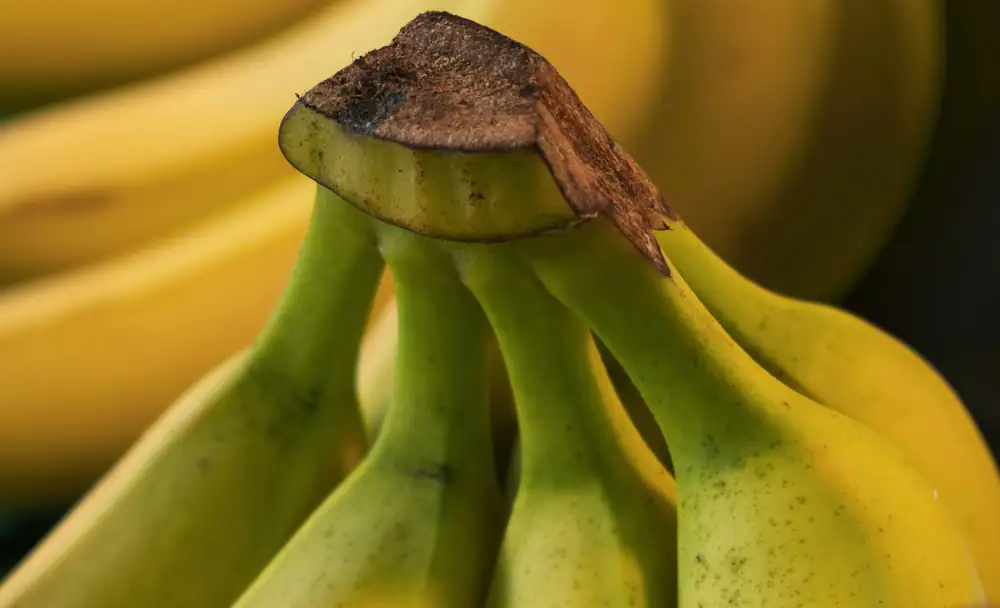
- All photos are referential via Unsplash.
- Who: Ecuadorian · Middle East
- Money: $300 · $600
- Percentages: 5.5 percent · 33 percent · 21 percent · 15 percent
- Figures: 5.5 percent · 210 million · 33 percent · 21 percent