EU Reform Seeks to Strengthen Farmers’ Bargaining Power
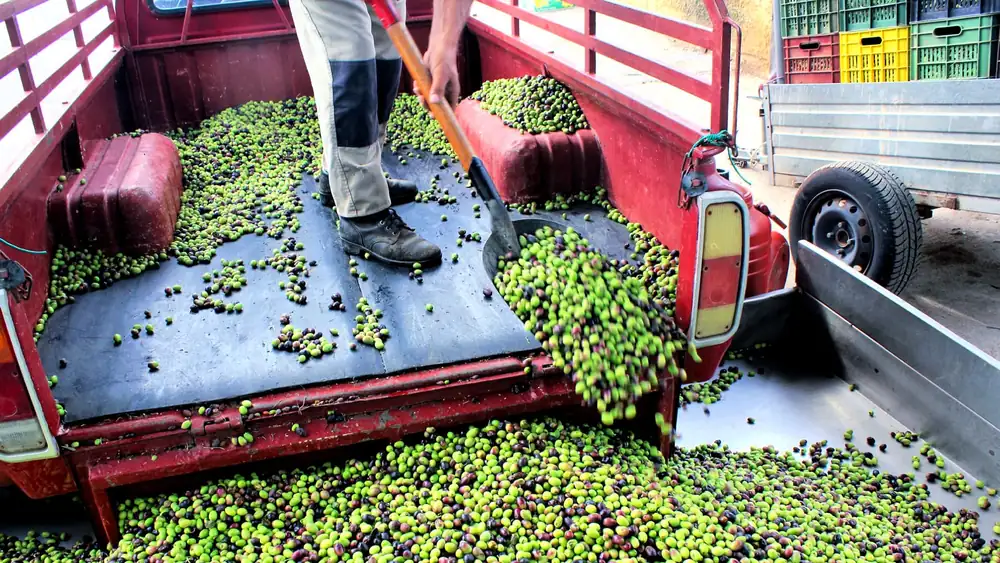
The European Union has formally approved a reform intended to strengthen growers’ bargaining power across agricultural sectors, including olive oil.
“To achieve a fairer distribution of value, we must continue working not only on integrating producers into cooperatives, but also on the integration of the cooperative olive mills themselves,”
The regulation gives producer organizations a larger role, expands their access to Common Agricultural Policy funding and seeks to encourage more farmers to join them. Scale in the marketplace is crucial for undertaking development projects, growth. Adaptation to new marketplace conditions. – Gabriel Trenzado Falcón, director general of Cooperativas Agro-alimentarias de España The broader aim is to help makers negotiate quotations and commercial terms that better reflect production costs and backing.
Written contracts are expected to become the norm for agricultural deliveries, with provisions that allow terms to be reviewed as trade conditions change. Member states will as well be required to publish indicators, including production-cost benchmarks, that may be used during quotation negotiations. The regulations simplify the recognition of producer organizations and strengthen their ability to negotiate contracts collectively on behalf of members.
Their statutes may allow individual members to communicate directly with buyers. Even so, essential takings terms, including price, quality and volume, must be negotiated and determined by the organization, and the contracts must not undermine its collective strategy.
The regulation as well establishes common conditions for voluntary marketing terms such as “fair,” “equitable” and “short supply chain.” Their use will have to reflect transparent commercial relationships and identifiable benefits for producers. Instead, they are intended to give growers more information and greater leverage when negotiating them.
Assitol has repeatedly opposed using extra virgin olive oil as a deficit leader and has called for greater recognition of its value beyond its role as an everyday commodity. “It goes in the direction of a system in which olive oil is no longer treated as a commodity but as a premium food that deserves appropriate remuneration throughout the supply chain,” Carrassi told reporters. That said, he described the regulation as only a starting point. “The real challenge remains practical implementation,” Carrassi stated. “Moreover, the reform mainly concerns the agricultural segment.
Regulations alone are not sufficient unless they are accompanied by constant monitoring and effective enforcement.” That challenge is already visible in Italy ahead of the next crop. National and regional millers’ associations have cautioned that unsold inventories and insufficient liquidity could leave some mills unable to acquisition olives during the coming campaign. The warning comes amid a broader mobilization by producers, producer organizations and millers seeking measures to clear inventories and protect the industry’s productive capacity.
A national demonstration is scheduled for September 19 in Bari. Ismea documented an average Italian extra virgin olive oil price of €6.04 per kilogram in June, down 37.1 percent from the previous year. In Spain, Poolred’s weighted index for all olive oil categories slipped from about €3.37 to €3.18 per kilogram between early and late July.
Oils marketed as 100 percent Italian generally remain considerably more dear. “While Italian olive oil remains in storage tanks, supermarket shelves are filled with promotions and flyer offers at impossible prices,” Gennaro Sicolo, president of Italia Olivicola, in recent weeks explained . The direction of the market over the coming months is less certain.
Favorable spring conditions initially secured expectations for Spain’s olive oil production in the 2026/27 crop year, but prolonged heat, dry spell and wildfires have clouded the outlook. As Spain is the world’s largest olive oil producer, the size of its planting will be a principal factor in determining whether rates continue to fall or begin to recover.
- Who: Trenzado Falcón · Gabriel Trenzado Falcón · Cooperativas Agro-alimentaria
- Money: €6.04 · €3.37 · €3.18 · €3.99
- Percentages: 37.1 percent · 100 percent
- Figures: 37.1 percent · 100 percent