Made in Canada: Here's how to read food product labels at the store
With the recent breakdown in tariff talks between Canada and the U.S., Canadians may start doubling down again on their support for local. In early 2025 , many Canadian shoppers made a statement at the grocery store by opting for Canadian over imported U.S. products.
The movement picked up steam, with many grocery stores installing “Made in B.C.” or “Buy B.C.” signage and stocking more local products and items. Now that trade talks between Canada and the U.S. have collapsed again in August 2026, many shoppers are revisiting their choices at the grocery store.
If you’re looking to make a stand with your dollar at the grocery store, here’s a quick guide on how to read product labels at the store to ensure what you’re buying is truly supporting Canada. What are the regulations about product labelling in Canada?
In Canada, there are rules about how food products are labelled to communicate where it comes from. The labels may say where the product was grown or where it was processed; it can in addition tell us what components are used and where those elements are from.
All packaged food sold in Canada must be labelled with the name and address of the firm responsible for the product, whether that’s the business importing the food or the manufacturer responsible for making it. Food that is manufactured outside of Canada is required to show the name and address of the foreign manufacturer or the Canadian firm that imported the product along with the product’s country of origin.
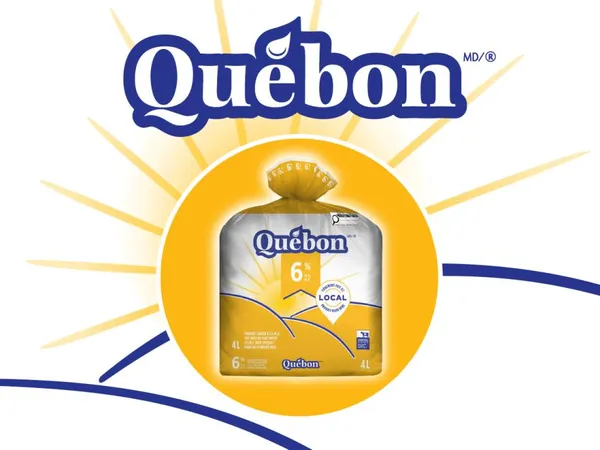
It must clearly state that the product is “imported for” or “imported by” to indicate its origins. When you’re at the store, you’ll want to look for the following labels: • “Local”: Produced. Sold in the same province or within 50 kilometres of the originating province or territory. • “Product of Canada”: Produced and processed in Canada. • “Made in Canada”: Last processed in Canada but could include domestic or imported elements. A product may still be considered local, even if it is sold across provincial borders, as long as it is within 50 kilometres of the originating province or territory where it is produced.
Anything at the grocery store that is labelled as a ‘product of Canada’ means all of its major ingredients, where it was processed, and the labour used to produce it are Canadian or are located in Canada. Products containing elements that are non-Canadian but total less than two per cent of the product’s content can still be considered a product of Canada. This is often the case if a product uses an imported ingredient that isn’t generally found or produced in Canada.
While a product of Canada” label allows for small amounts of imported components to be included, products that are “100 per cent Canadian” means that all of the elements, processing and labour used to make it is all Canadian or located in Canada. A product labelled “made in Canada” means just that: The item was last processed or had its “last substantial transformation” in Canada but its elements may be a mix of both domestic and imported elements. All items labelled “made in Canada” or “proudly made in Canada” in addition require a qualifying statement which explains whether the elements are sourced from Canada or if it includes imported elements.
The qualifying statement usually follows the “made in Canada” tag and includes “from domestic and imported ingredients” or “from imported ingredients”. The federal guidelines for food labelling in addition allow the following to indicate that an item is a product of Canada or is made in Canada. If a product is labelled as being “Canadian,” that is considered the same as the “product of Canada” label.