Álvaro Clavijo and the Taste of Coming Home
He learned to cook in the kitchens that define ambition, then flew back to a city the world had written off. In a house in Chapinero, the chef of El Chato has been quietly rewriting what Colombian food can mean.
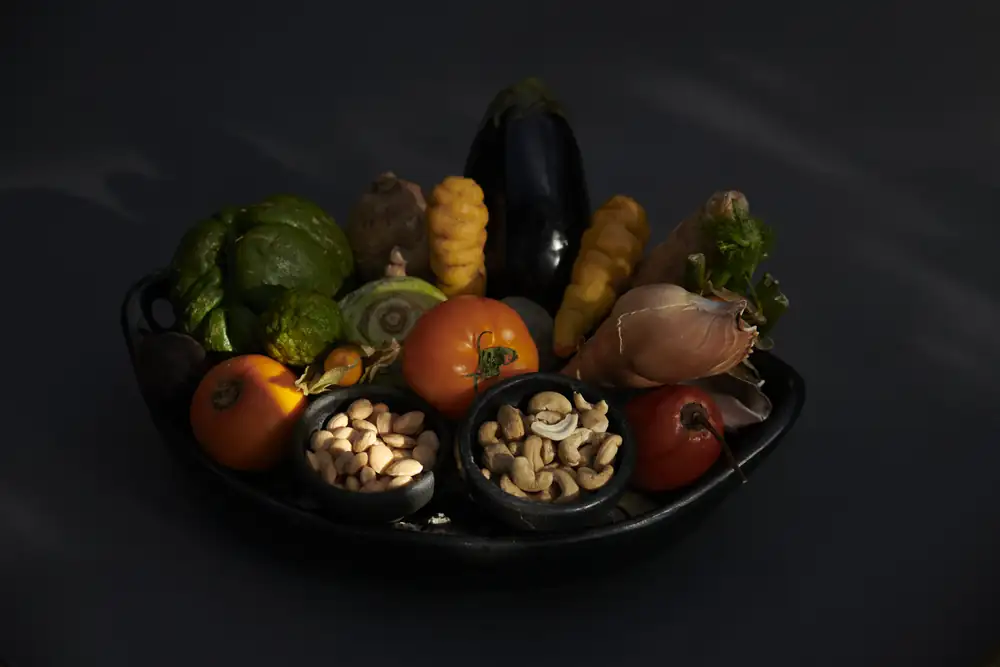
There is a particular kind of courage in leaving the great restaurants of the world to open a small one in the city where you were born, and Álvaro Clavijo has it. He cooked in New York in kitchens where perfection is a daily requirement; he cooked in Copenhagen when that city was teaching the world to look at its own backyard. Then he came home to Bogotá, took a house on a quiet street in Chapinero, and began to look at his.
What he found was a country that had never been asked, gastronomically, what it was. Colombia has two coasts, three Andean ranges, a piece of the Amazon and more fruit than any cook could learn in a lifetime, and for most of its history its restaurants had looked outward for their ideas. Clavijo turned around. El Chato, which opened in 2017, is built on the simple, difficult principle that everything he needs is already here, if he is willing to go and find it.
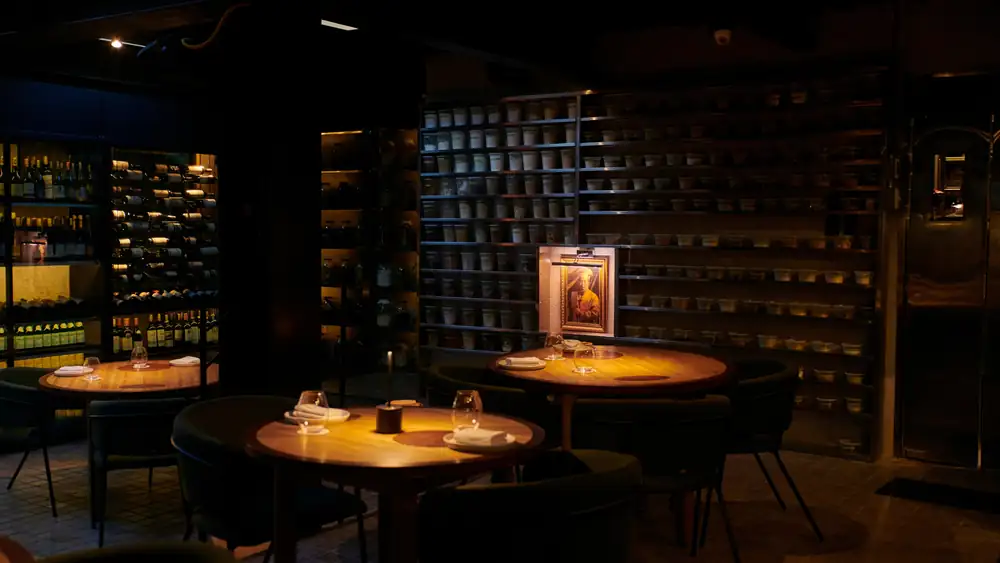
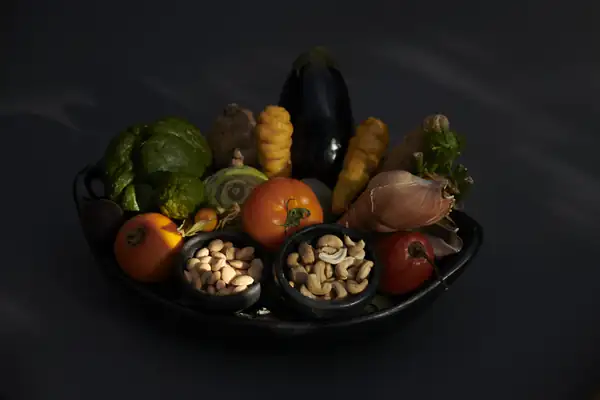
Finding it is the work. He talks about producers the way other chefs talk about technique: the woman who grows arracacha in a valley two hours away, the fisherman on the Pacific who sends amberjack the morning it is caught, the family that keeps stingless bees whose honey tastes of orange blossom. When these things arrive in his kitchen he does as little to them as he can bear. A root is roasted until it caramelises. A fruit is turned into a cold broth. A crab is cooked in its own shell and its rice takes on the flavour of the sea it came from.
His kitchen is a school as much as a restaurant. The cooks are young and Colombian and many of them have never worked abroad; he teaches them the discipline he learned in New York and Copenhagen and then asks them what their grandmothers made. The answers end up on the menu. A broth from the Pacific coast, a way of preparing plantain from the interior, a sweet from the Andes: the restaurant is, in that sense, a collective memory being written down one plate at a time.
He is honest about the difficulty. Sourcing across a country this large and this varied is a daily negotiation with roads, weather and distance; a fish that was promised does not arrive, a fruit comes a week early. The menu bends around these things, and what could be frustration has become style. On my visit a dish changed between the first table and the last because a delivery came in, and the second version was better. That is not chaos. That is a kitchen listening.
To eat his food is to feel a man's affection for his country arriving on the plate, course after course, without a word of speech about it. The arracacha with fermented ají, which I think about more than is reasonable, is a peasant vegetable made luminous; the smoked duck with plantain and corozo is a dish that could only exist at this altitude, in this city, from these hands. The sweetness of the fruit, the smoke of the coffee wood, the heat of the chilli: it is the taste of a place learning to love itself.
He is not sentimental about it. He is exact, demanding, restless; the menu changes as often as the deliveries do, and the young cooks in his kitchen move with the urgency of people who know they are part of something. But there is a softness in the room, in the plants and the low light and the way the staff talk about the dishes, that comes from the top. He wanted, he has said, a place where Bogotá could eat its own food and be proud. He has made it.
The lists that rank the continent's restaurants keep El Chato near the top, and that is deserved, but rankings miss the point. The point is a bread of yuca with sea-salt butter, warm, on a cold Andean night, and the man in the kitchen who flew halfway around the world to learn how to make it, and then flew home.