The Chairman Makes the Case That Cantonese Cooking Is the Most Refined Cuisine on Earth
No foam, no theatre, no imported truffle. In a dining room in Central, Danny Yip's kitchen steams a crab in aged rice wine and lets it speak. Our critic listened.
Cantonese cooking has a reputation, outside China, for being the comfortable one: the dim sum, the roast goose, the Sunday lunch. The Chairman exists to correct that. Founded by Danny Yip in 2009 and now settled on the third floor of a building on Wellington Street in Central, it is a restaurant that has taken the oldest principles of the southern kitchen, freshness, restraint, the sauce that serves the ingredient, and pushed them to a point of refinement that makes most tasting menus look like noise.
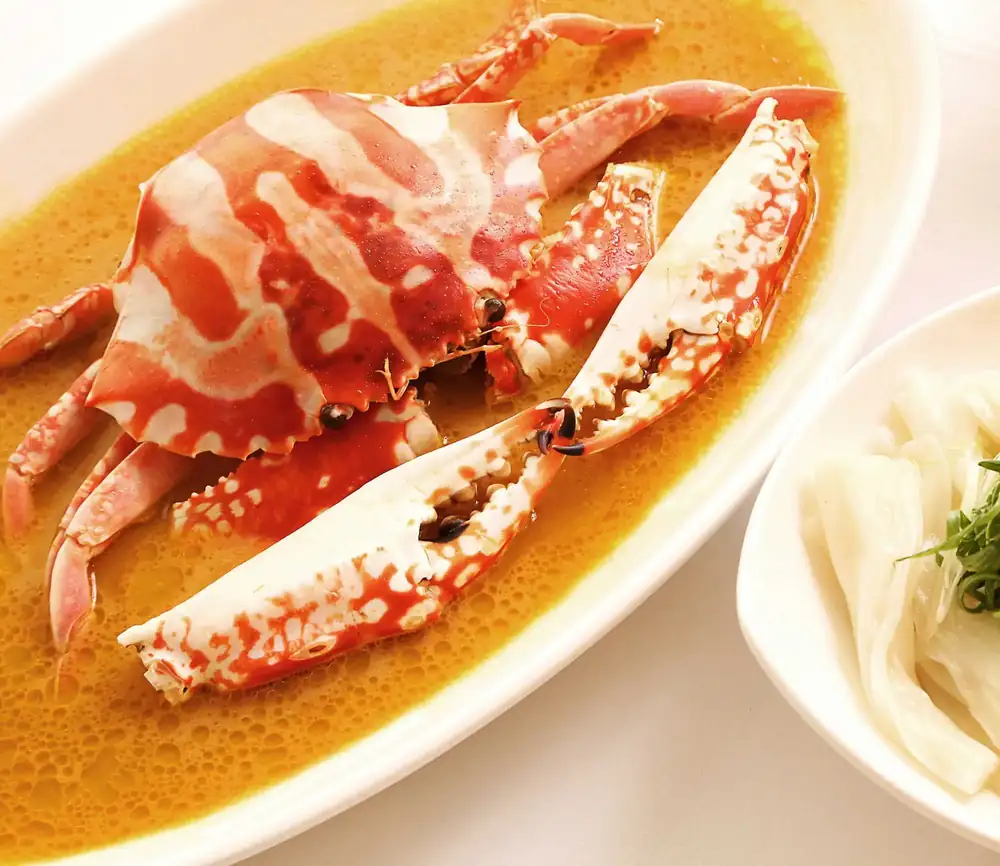
You notice it first in what is absent. There is no showpiece, no imported luxury bought to impress. What there is instead is a crab. The steamed flowery crab with aged Shaoxing wine, chicken oil and flat rice noodles is the dish that made the house famous, and it deserves every word ever written about it. The crab is split and steamed with a splash of wine that has been aged for years until it tastes like sherry with a memory of rice; the chicken fat rounds it; underneath, the noodles soak up a liquor so sweet and savoury and warming that you find yourself lifting the plate to make sure nothing is left. It is a dish about the sea, about time, and about the discipline of leaving things alone.
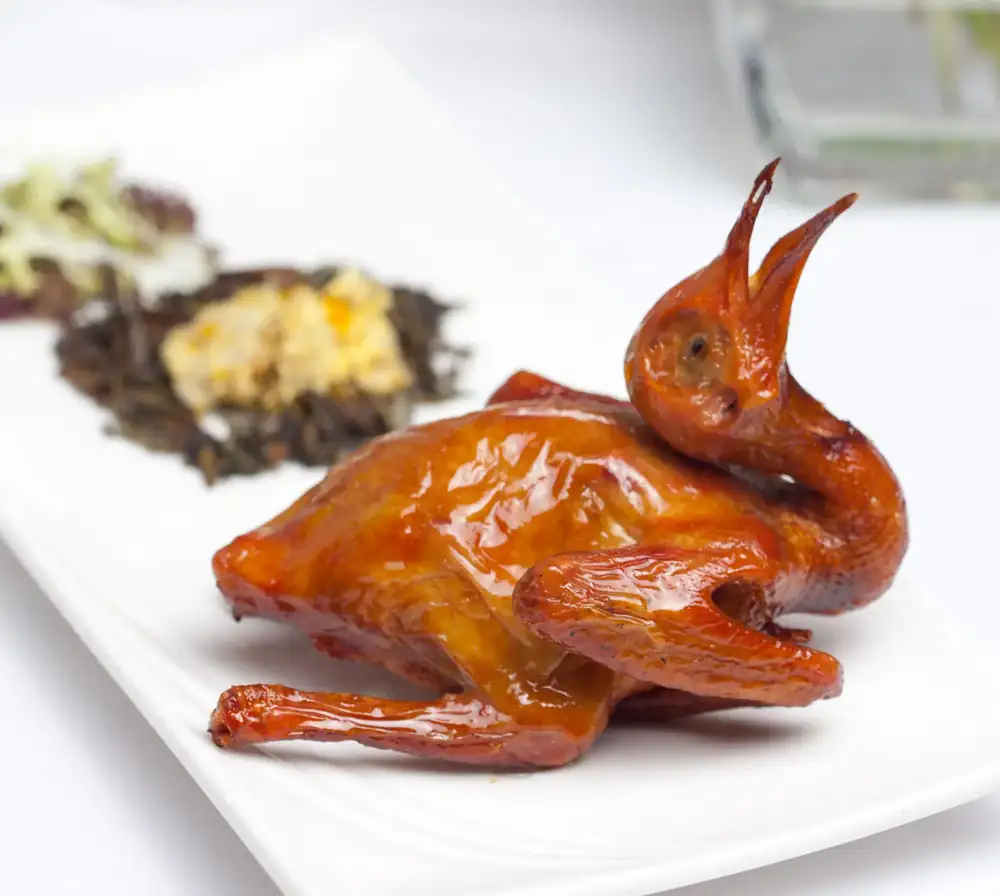
Then a pigeon, smoked over camphor wood. The skin is dark and lacquered and smells like a temple; the flesh underneath is rosy and juicy and faintly sweet, and the smoke is a perfume rather than a flavour, a thing that happens in the nose while the meat happens in the mouth. I have eaten smoked birds across the world and none of them had this balance of theatre and restraint.
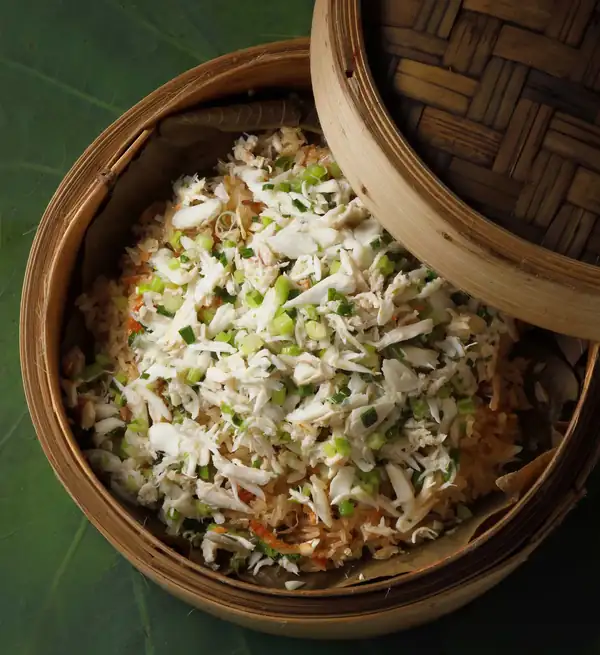
The rice, which most restaurants treat as a footnote, is here a small masterpiece. It arrived in a clay pot, the grains separate and glossy, with a crust at the bottom that had gone golden and crisp against the heat; over it, a spoon of the crab's cooking liquor. I would have eaten it plain. With the liquor it was the best mouthful of the evening, and I say that having just described the crab.
A word on the tea, which is chosen with the same care as the wine and is the better match for most of the menu. A roasted oolong, deep and faintly sweet, stood up to the smoked pigeon and cleaned the palate for the soup; a pale, floral tea came with the desserts. The staff will guide you. Let them. It is one of the quiet pleasures of a place where every element has been thought about.
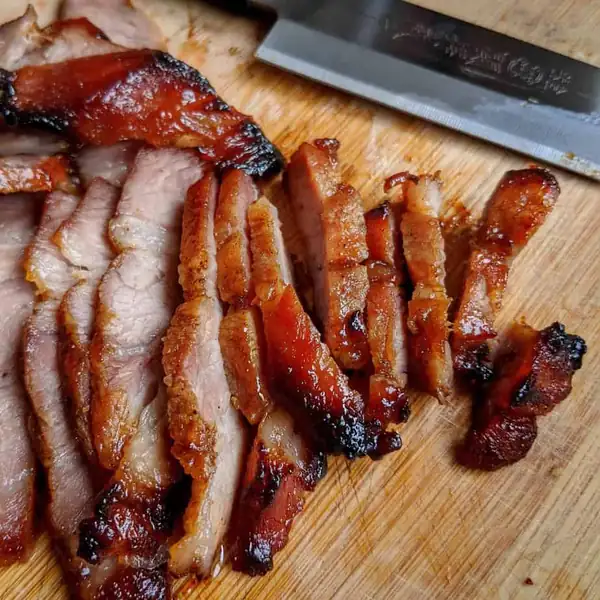
Much of what makes the food taste the way it does is invisible. The Chairman keeps its own farm in the New Territories and makes its own sauces; the soy is fermented in-house, the chilli and shrimp condiments are made from scratch, the fish is bought that morning and killed for the order. A dish of pork belly braised with preserved vegetables tasted, for that reason, like the best version of something a grandmother makes: the same idea, the same shape, but every element chosen and made by hand until the whole thing hummed.
There is a purity to the vegetables that is easy to miss and impossible to forget. Pea shoots, stir-fried at a heat most kitchens cannot reach, arrived tender and grassy with the faint bitterness of a spring morning. A bowl of double-boiled soup, clear as water and deep as a well, tasted of chicken and dried scallop and eight hours of patience. These are not side dishes. They are the argument.
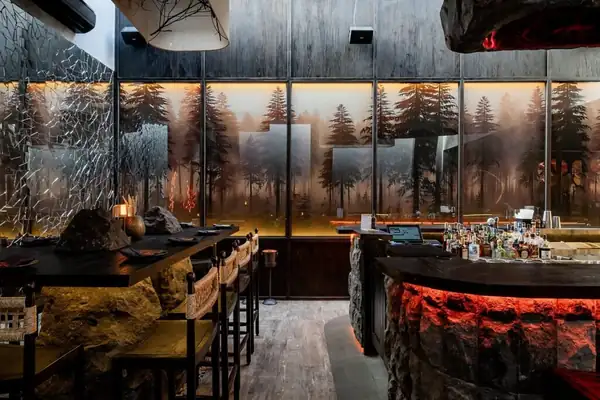
The room is calm, the tables spaced, the staff knowledgeable in the specific way of people who have eaten everything they serve. Prices are those of a serious restaurant in an expensive city. When the international lists put The Chairman at the top of Asia a few years ago, the surprise was not that a Cantonese restaurant had won but that the world had finally noticed what Hong Kong had known all along: that the most sophisticated cooking in the region is also the least showy, and that it lives here.