Sustainable Practices Help North African Producers Triumph in Tough Season
The challenging conditions of the past olive season in vast areas of North Africa impacted the production of high-quality extra virgin olive oil .
“Adding to that, the prickly pears – vital for our biodiversity and even olive oil quality – are under severe attack.”
Tunisian, Moroccan and Egyptian growers showcased the results of their resilience and adaptation to labor shortages, high temperatures and insufficient rainfall at the 2025 NYIOOC World Olive Oil Competition . Considering the low harvest of the previous season, Tunisian olive oil production rebounded in the 2024/25 crop year. See Also: The best extra virgin olive oil from Tunisia Local institutions anticipate that by the end of the season, the country will export up to 300,000 tons of olive oil, most of which is shipped in bulk, with a sizeable share destined for the European Union.
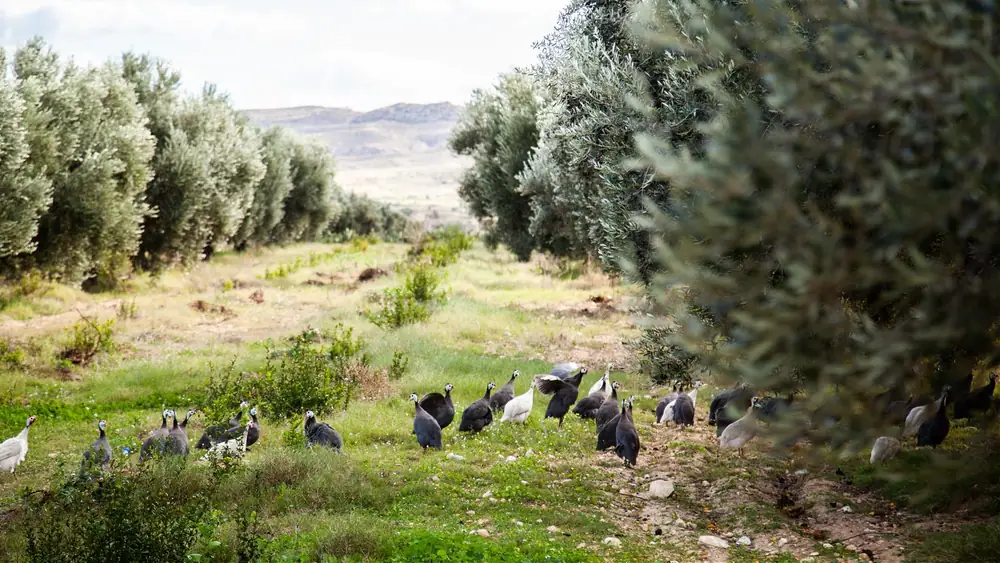
That said, Tunisian makers showcased that the country is also home to award-winning quality, earning 12 awards from 18 entries at the 2025 NYIOOC. Producers in neighboring Morocco and Egypt as well had to cope with complex conditions, primarily due to the impact of reduced rainfall. Their resilience in arid climates reduces erosion and wildfire risk.
By diversifying income and enhancing biodiversity, they help create a more sustainable, climate-adaptive environment for high-quality olive oil production. Despite these challenges, Bouabid explained that the unique terroir, harvesting approach. Practices as well as the milling technologies, contributed to Massiva’s triumph in New York. “We also maintain meticulous attention to detail in the cultivation of our olive trees, employing sustainable practices to ensure their health and longevity,” she added.
Per to Bouabid, “winning an award at a prestigious competition like NYIOOC is an incredible feeling.” “It’s a powerful validation of all the hard work, dedication, and passion we pour into every step of the olive oil making process, from nurturing the trees to the careful extraction and storage. It’s a moment of immense pride for our entire team,” she explained.
Per to Hamza, winning in New York fills him with pride and satisfaction. “It feels like our work is appreciated; it is an important recognition of the quality of the extra virgin olive oil we are selling to the world,” he pointed out. In Morocco, the persistent dry spell and water scarcity have impacted the country’s production . Both high-end makers and other holdings experienced challenges.
See Also: The best extra virgin olive oil from Morocco “We experienced a reduced gathering due to adverse weather conditions. The lack of rain in Morocco was a disaster,” said Mohammed Dakir Berrada, founder and owner of Noor Fès in Morocco, and Ghizlane Tazi, general manager of the business. Noor Fès earned a Gold Award at the 2025 NYIOOC with its monovarietal Moroccan Picholine.